
Qualcomm Patents a Camera That Refocuses Based on How You Move
Your phone already knows when you're moving, Qualcomm wants to use that information to set focus before the shutter fires, not after.
How Qualcomm's motion-guided focus system works
Picture this: you're trying to photograph a friend who just stepped sideways out of frame. Your phone's camera scrambles to refocus, and by the time it locks on, the moment is gone. That lag is a real and frustrating problem that affects everything from casual snapshots to action sports footage.
Qualcomm's new patent describes a system that tries to fix this by reading the motion sensors already built into your phone (the same ones that detect rotation and tilt) and using that movement data to predict where the subject is heading, then repositioning the lens to match before the next shot is captured.
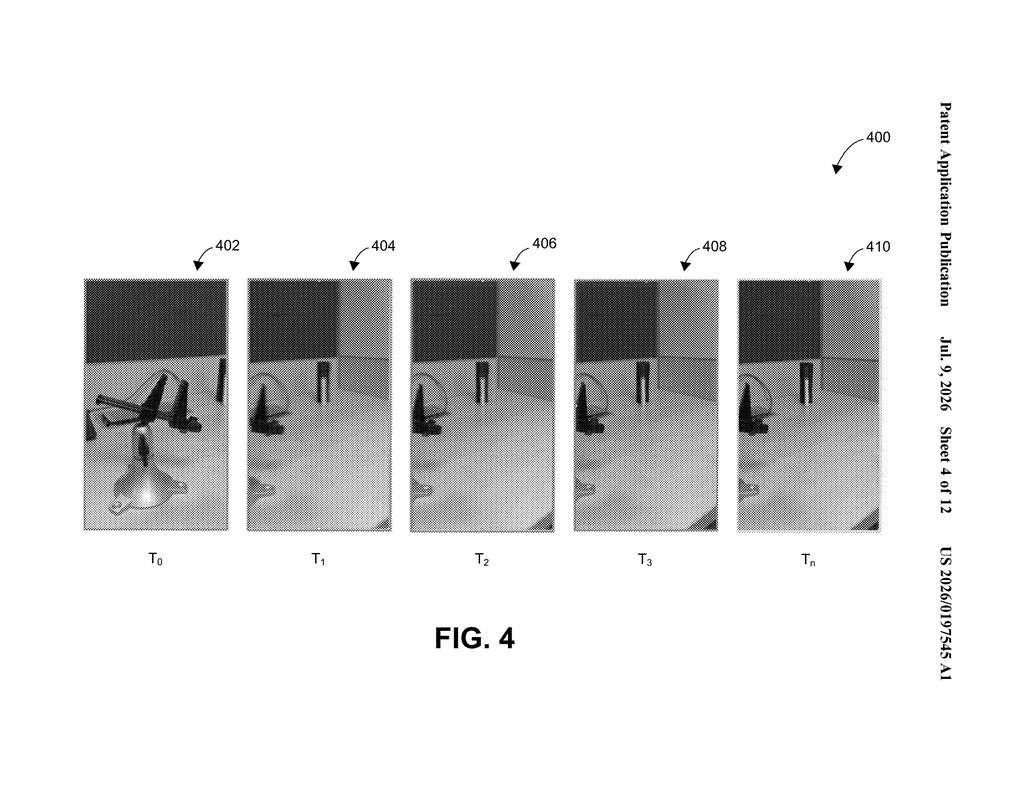
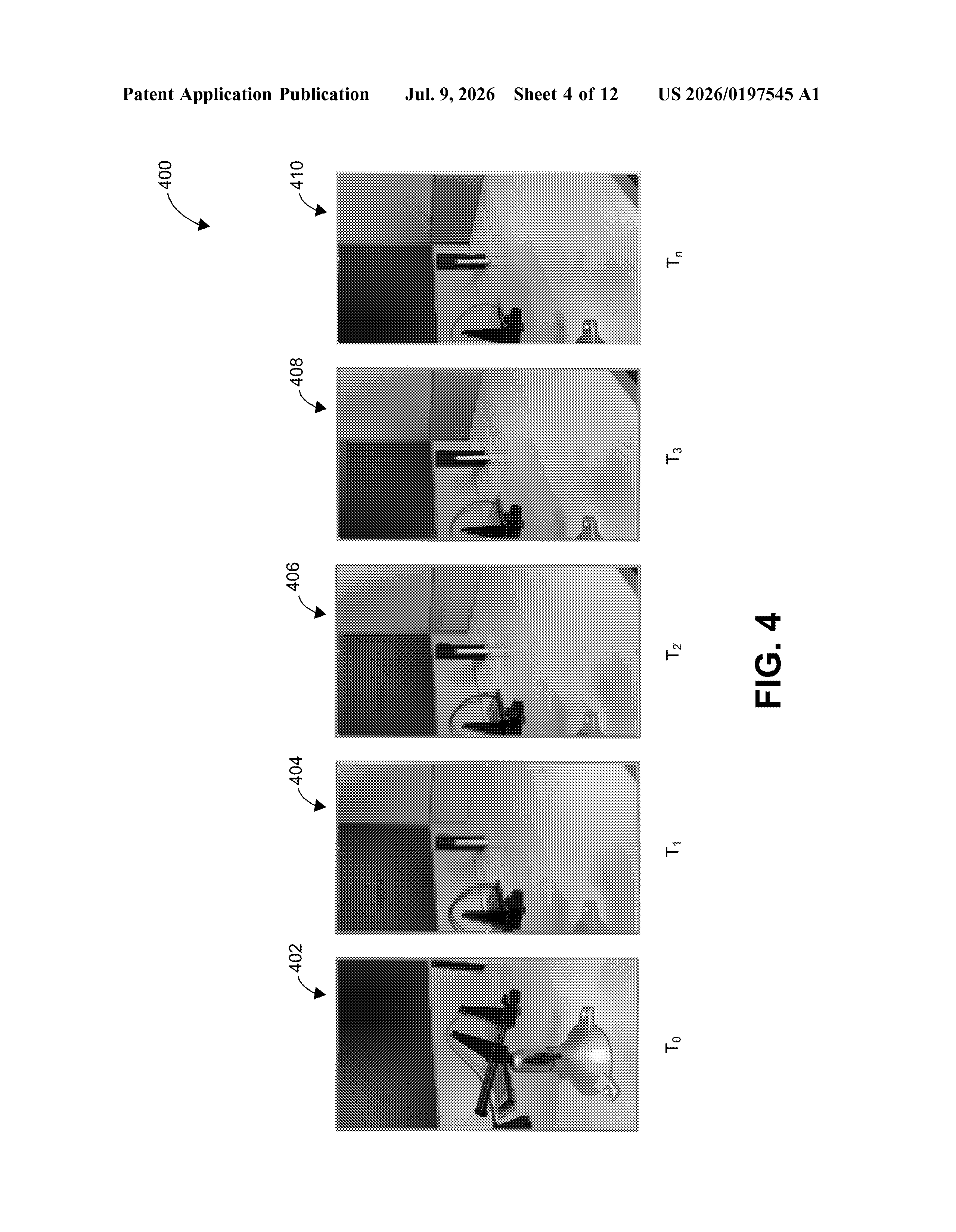
The process runs in two passes. First, the camera takes an initial image and identifies the area of interest, the thing you're trying to photograph. Then, the motion sensor data tells the system how the phone or the scene has shifted, and the lens moves to a new position calculated from both pieces of information. The goal is a sharper, better-framed shot without you having to do anything differently.
How IMU data drives the second lens position
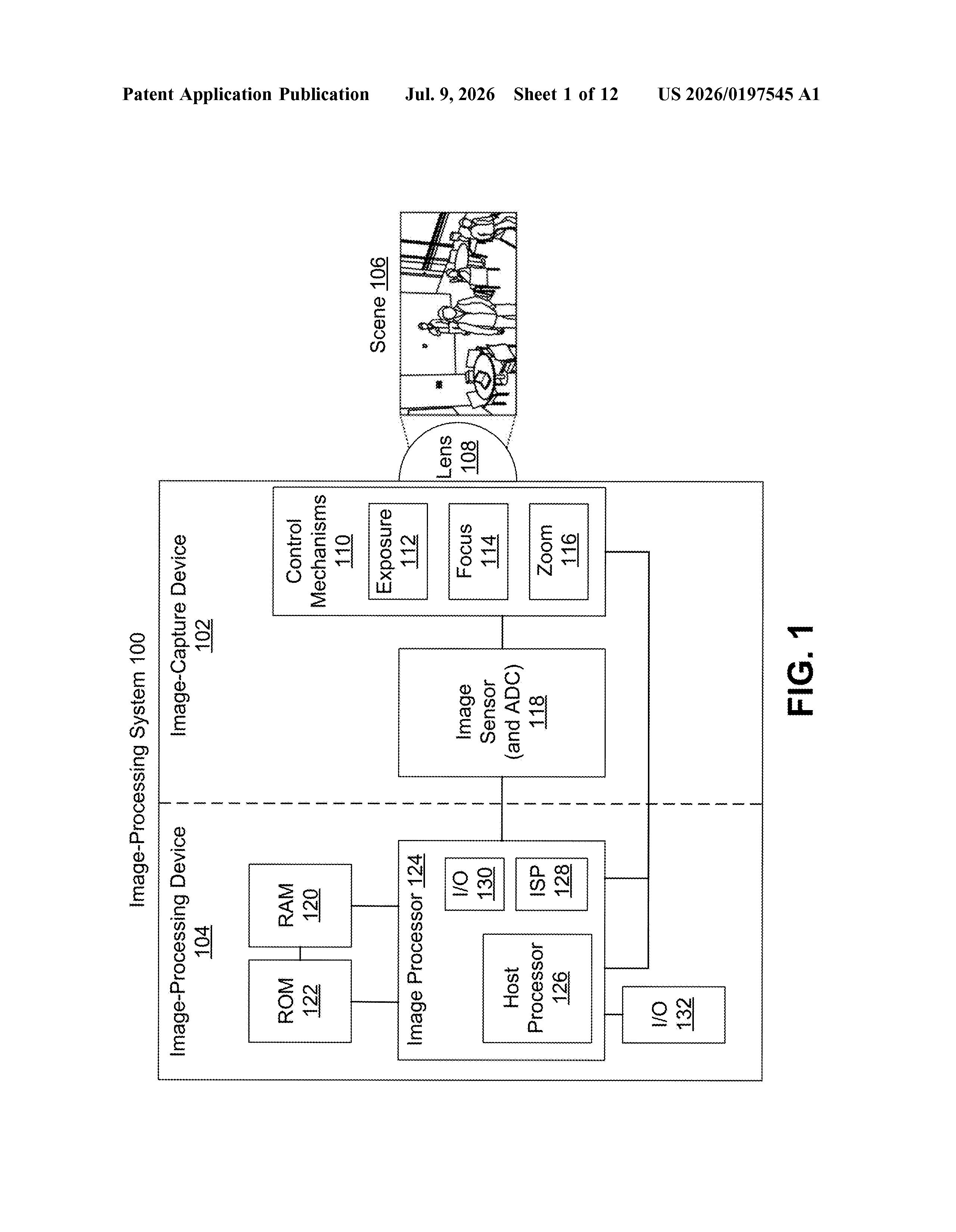
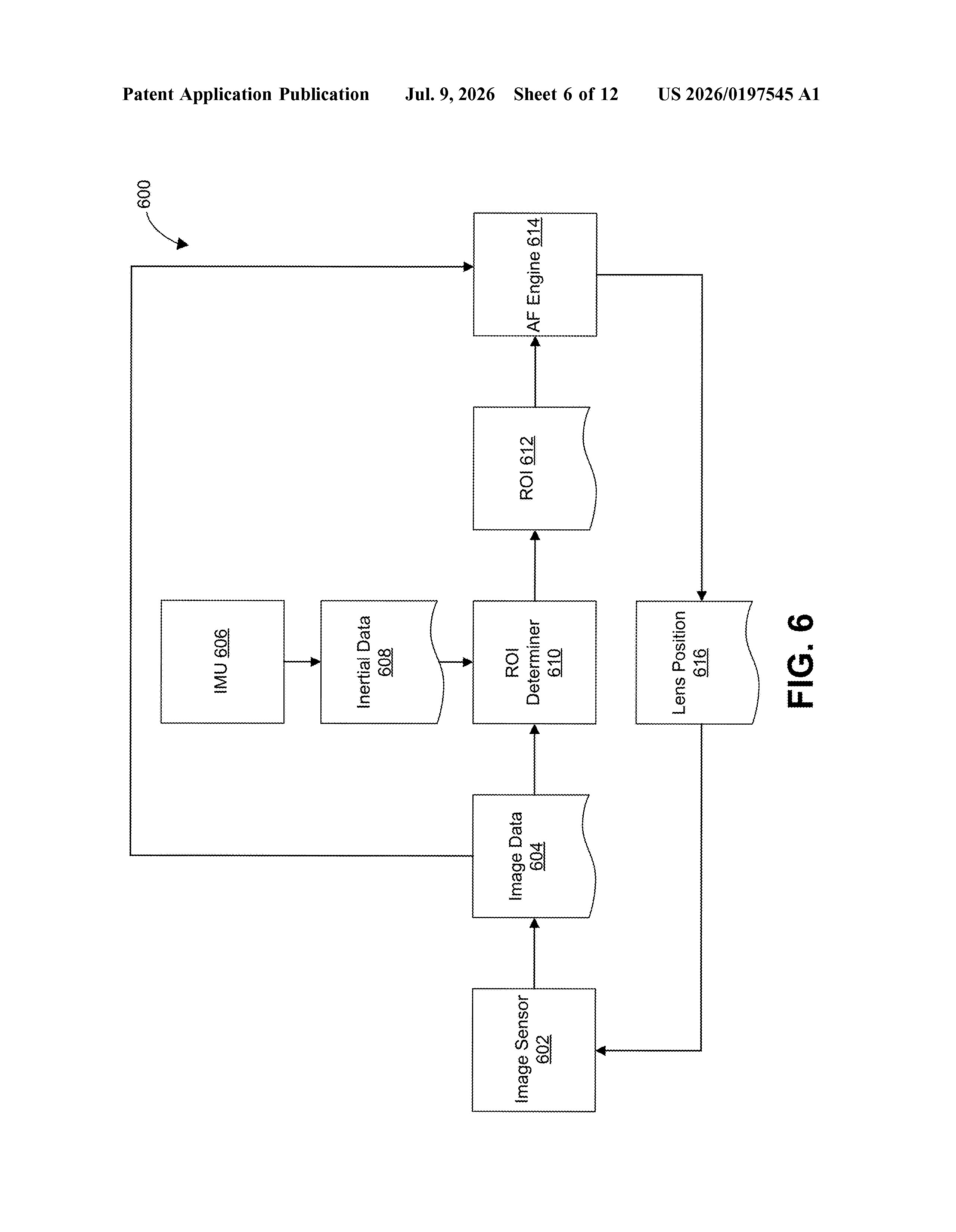
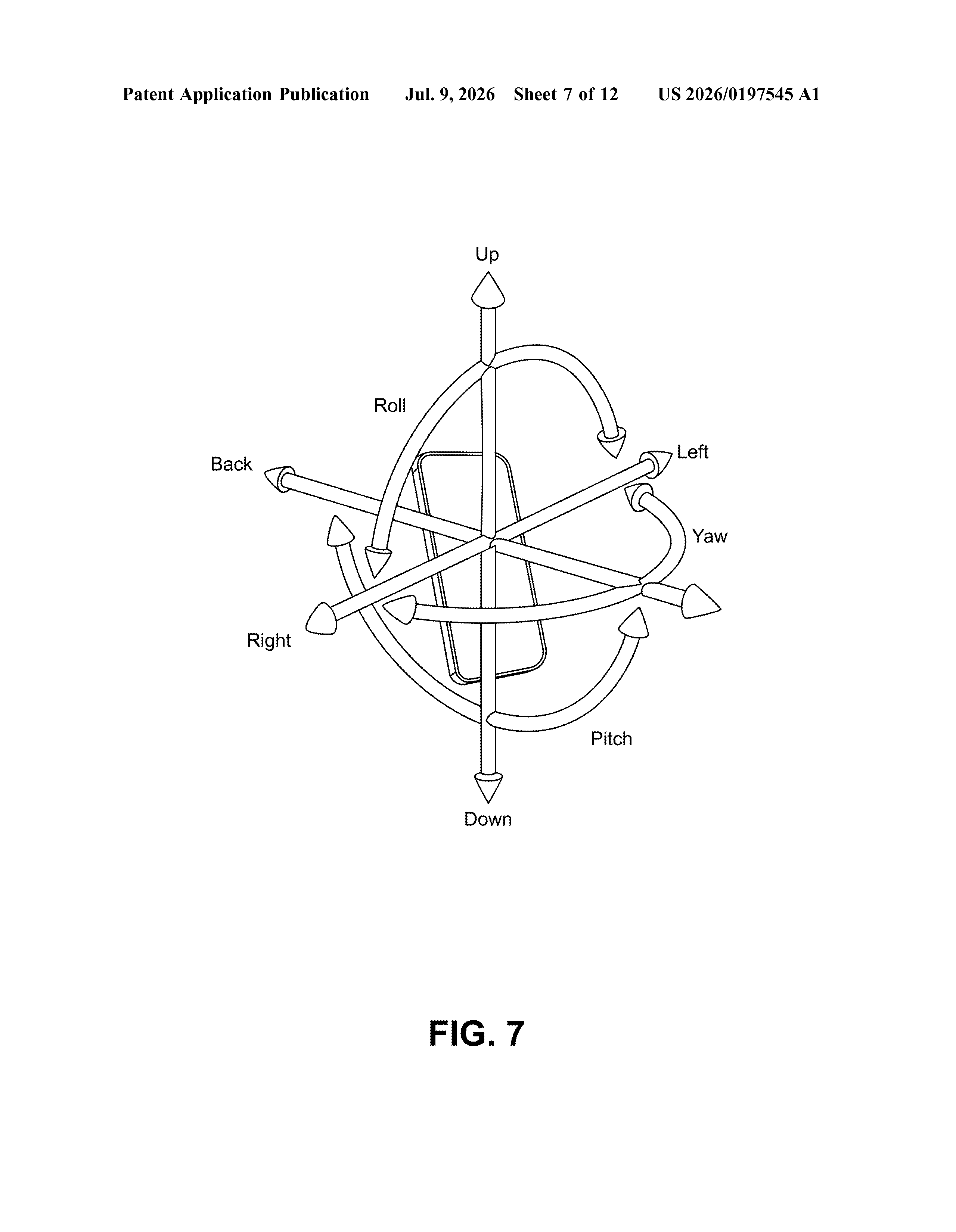
The patent describes a two-stage capture loop built around combining visual data and inertial measurement unit (IMU) data. An IMU is the set of motion sensors in a device, accelerometers and gyroscopes, that track movement, rotation, and tilt in real time.
Here's the sequence the patent lays out:
- The camera moves its lens to an initial position and captures a first image.
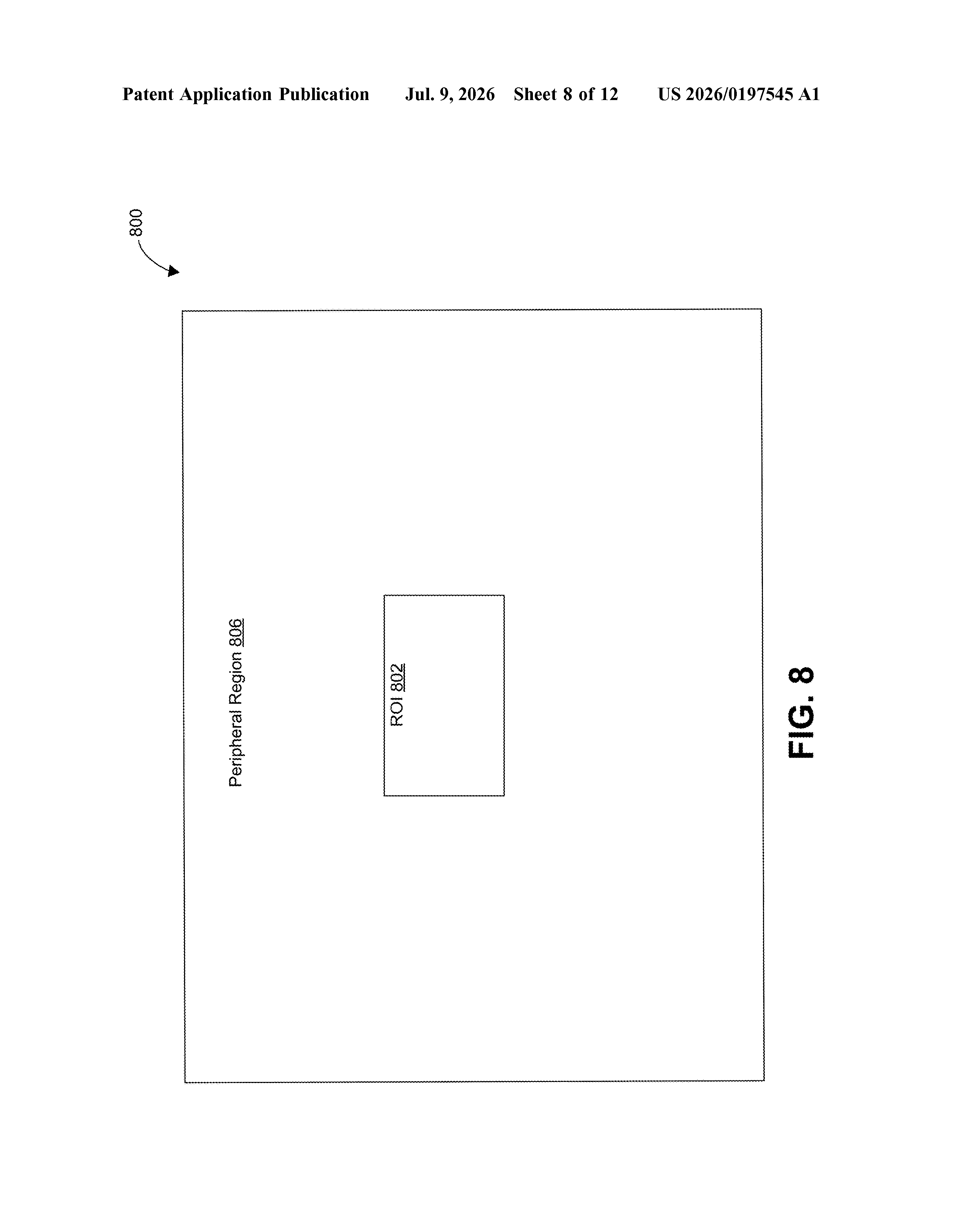
- The system identifies a region of interest (ROI) in that image, essentially, the part of the frame that matters, like a face or a moving object.
- The IMU data is read to understand how the device or the subject has moved since that first frame.
- A second ROI is calculated based on that motion data, predicting where the subject will be.
- A new lens position is computed using both the predicted ROI and the original image data.
- The lens moves to that new position, and the final image is captured.
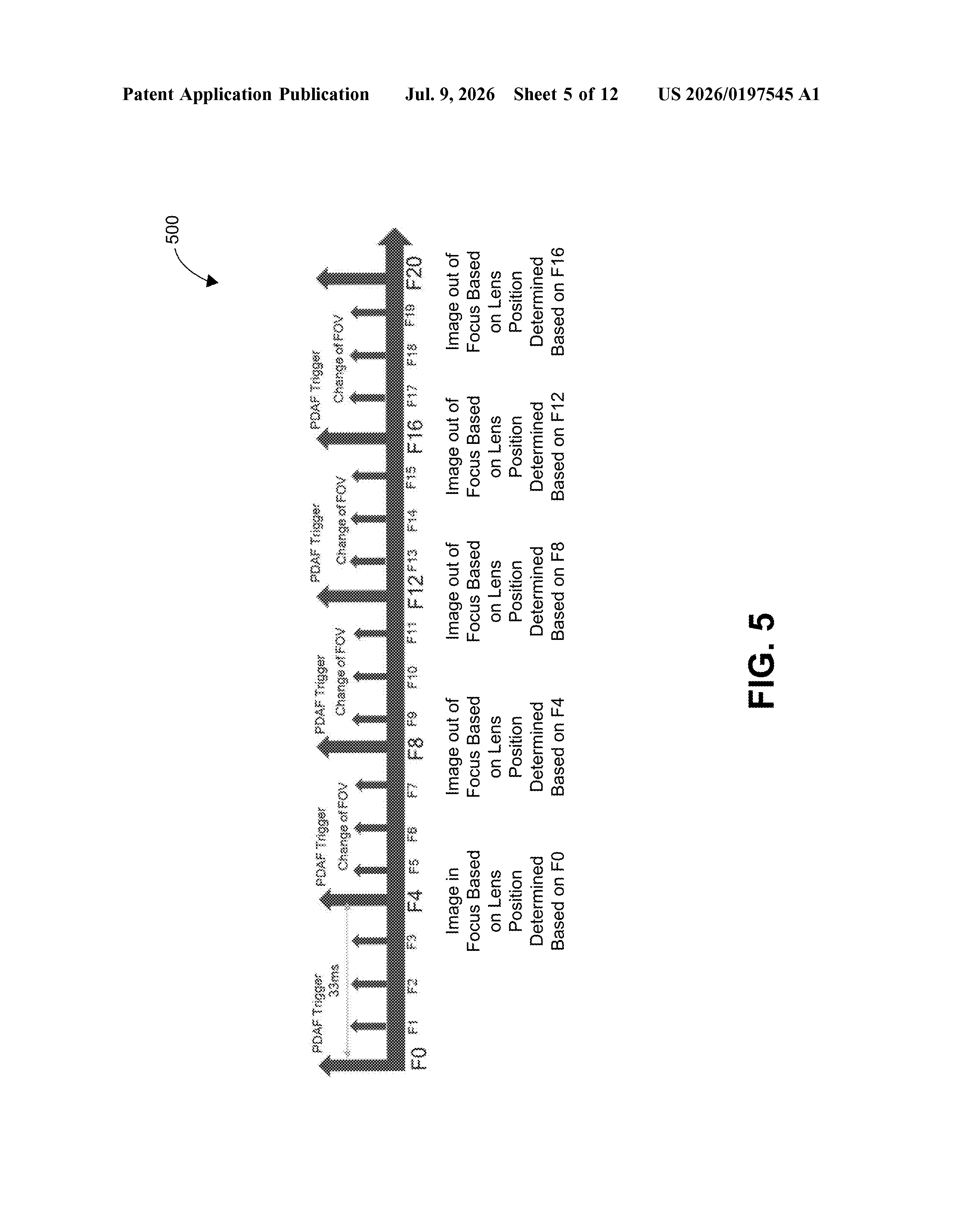
The key insight is that motion sensor data arrives faster than a new camera frame can be processed. By using IMU readings to bridge the gap between frames, the system can make a calculated bet on lens position rather than waiting for visual confirmation.
What this means for phone and drone cameras
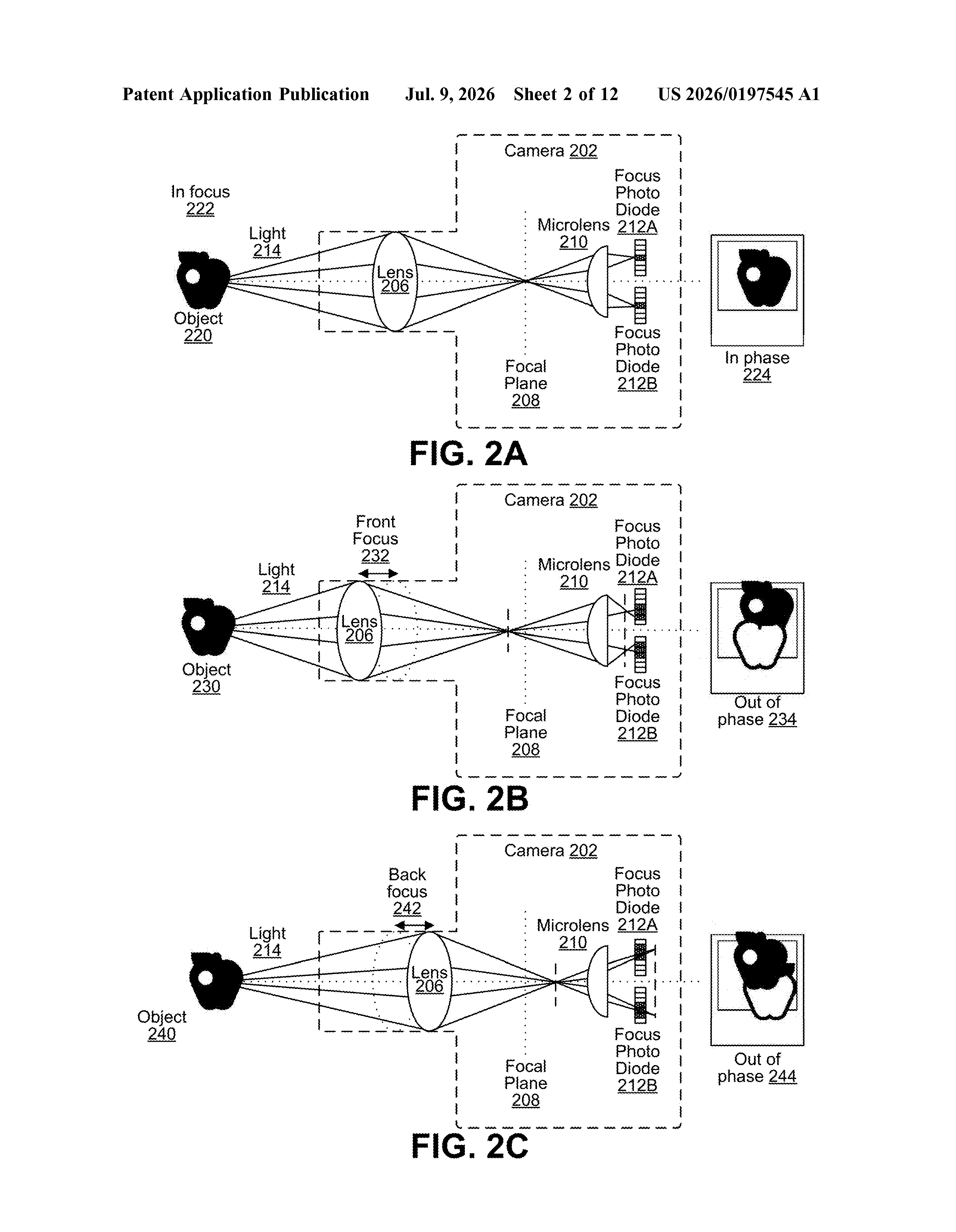
Camera autofocus has improved enormously over the past decade, but it still fundamentally reacts to what it sees rather than anticipating what's coming next. Feeding motion sensor data into the lens-positioning decision is a way to get ahead of that reaction curve, which matters most in low-light conditions (where the camera processes frames more slowly) and in action photography (where subjects move fast).
For Qualcomm specifically, this is the kind of imaging capability that gets baked into the Snapdragon chips that power most high-end Android phones. A patent like this signals where Qualcomm's camera processing pipeline may be heading, and phone makers who license Snapdragon could eventually get this behavior without writing it themselves.
This is a focused, practical imaging patent, not a moonshot. The idea of using IMU data to assist autofocus is logical and the two-stage approach is clearly described. Whether it produces a meaningful real-world improvement over existing predictive autofocus systems depends entirely on implementation, and that part isn't in the patent.
Get our take in your Top Stories
Liked this breakdown? Add Patentlyze as a preferred source on Google, and our plain-English take shows up more often in your Top Stories the next time Qualcomm patent news breaks.
There are more where this came from
We read every patent application Big Tech publishes and send you the ones worth knowing. Plain English, free, every week.
The drawings
12 drawing sheets from US 2026/0197545 A1 · click any drawing to enlarge
Want this weekly breakdown for a company we don't cover? Patentlyze Pro →