
Samsung Patents an Adaptive Gate Voltage System Tied to Display Refresh Rate
Driving a display panel at different refresh rates creates a subtle power waste problem — the internal voltages that switch pixels on and off don't always match the pace of the screen. Samsung's new patent tries to fix exactly that.
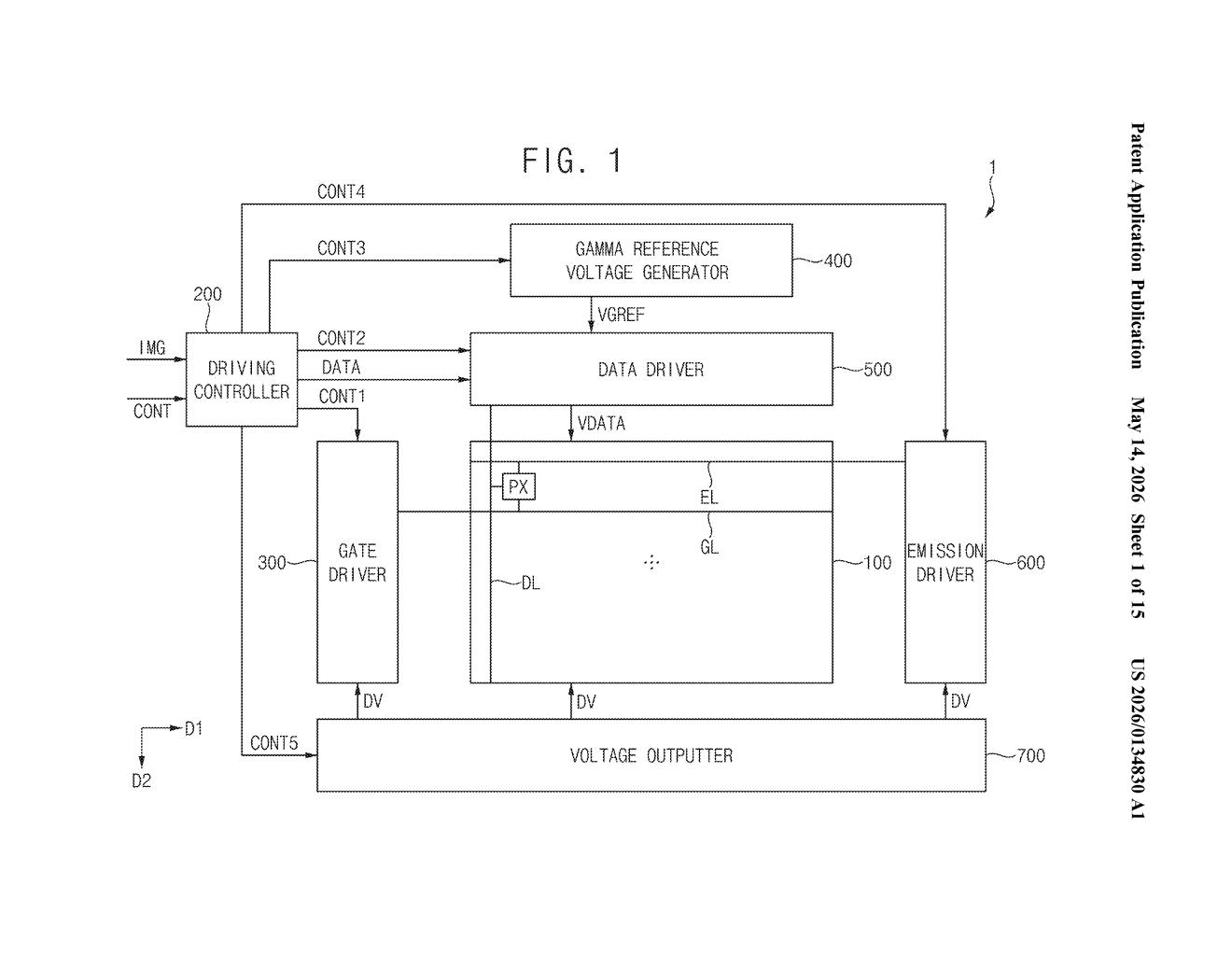
How Samsung's gate voltage syncs to your screen's refresh rate
Imagine your display is like a light switch that flickers thousands of times per second. Every flicker needs a precise burst of voltage to turn pixels on or off cleanly. When your phone drops to a lower refresh rate to save battery, the timing of those voltage bursts can fall out of step — wasting energy or causing subtle display artifacts.
Samsung's patent describes a system where the circuit that generates the gate low voltage — the 'off' signal that cuts power to each pixel row — automatically adjusts its own internal rhythm to match whatever refresh rate the display is running at. Instead of always pumping at full speed, it slows down or speeds up in sync with the screen.
The practical upside is that you're not generating power signals faster than you actually need them. On a device that supports variable refresh rates (like a phone that drops from 120Hz to 1Hz when idle), this kind of tight coordination could reduce unnecessary power cycling inside the display driver chip itself.
How the power generation cycle tracks driving frequency
The patent describes a display device with five core components working together: a display panel with pixels, a gate driver, a data driver, a voltage outputter, and a driving controller.
The key mechanism is in how the gate low voltage (the lower of two voltages used to switch pixel rows on and off) is generated. It's derived from a predetermined power voltage — an internally generated reference voltage — and crucially, the generation cycle of that reference voltage is locked to the display's current driving frequency (i.e., its refresh rate).
In practice, this means:
- The driving controller monitors the active refresh rate of the panel.
- It instructs the voltage outputter to adjust how often the internal power voltage is regenerated.
- The gate signals sent to each pixel row are therefore always backed by a power supply that's cycling at the right pace — no faster, no slower.
This is essentially a clock-domain synchronization problem. Display driver chips often run internal charge pumps (circuits that step voltage up or down) on fixed schedules; this patent makes that schedule dynamic and tethered to actual panel activity.
What this means for variable-refresh OLED efficiency
Variable refresh rate displays — common in flagship phones and monitors — are only as efficient as the underlying driver circuitry that supports them. If the gate voltage generation hardware keeps cycling at 120Hz even when the screen is running at 10Hz, you're burning power for nothing. Samsung Display supplies panels to its own Galaxy devices as well as external customers, so efficiency improvements at this level have broad reach.
This patent is also a signal that Samsung is optimizing the analog power architecture of its display drivers, not just the pixel or backplane technology. That's a quieter but genuinely meaningful layer of engineering — the kind that shows up in real-world battery life benchmarks rather than spec sheets.
This is unglamorous but legitimate display engineering. Synchronizing internal power generation cycles to actual refresh rates is the kind of low-level optimization that compounds across millions of duty cycles per day. It won't make headlines at a product launch, but it's the sort of work that separates good OLED battery life from great OLED battery life.
There are more where this came from
We read every patent application Big Tech publishes and send you the ones worth knowing. Plain English, free, every week.
Want this weekly breakdown for a company we don't cover? Patentlyze Pro →