
Samsung Patents a System That Reviews Your Voice Command History to Show What Works
Most voice assistants fail silently, leaving you to guess whether you phrased something wrong or the assistant just gave up. Samsung is filing a patent for a system that digs through your command history, groups your mistakes, and shows you what you actually said.
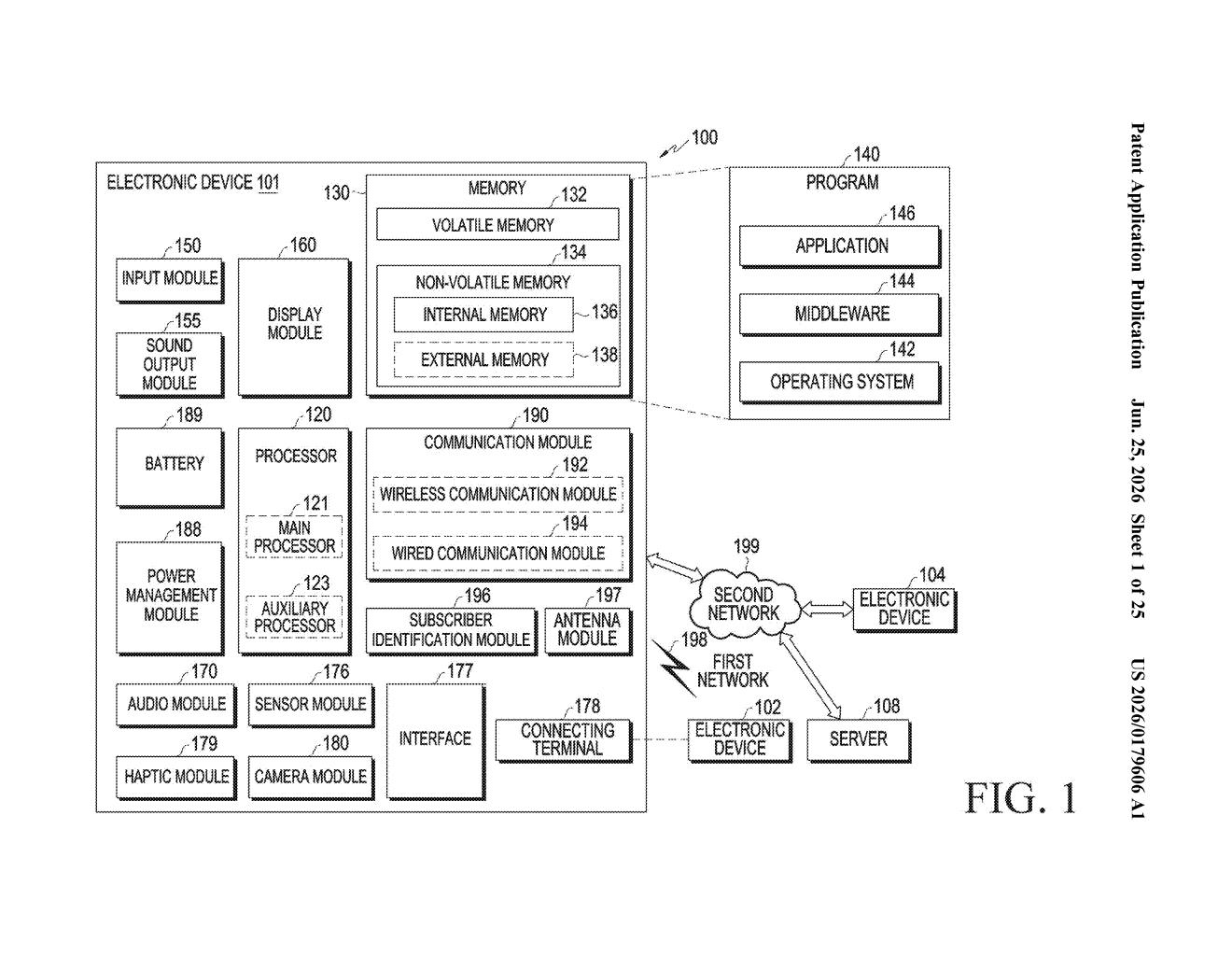
What Samsung's voice-history feedback system actually does
Imagine you've asked your phone's voice assistant to set a reminder a dozen times this month, and half those attempts either did nothing or gave you the wrong result. You probably don't know which phrasing worked and which didn't, because the assistant never tells you.
Samsung's patent describes a system that collects your voice command history, sends it to a server, and has that server sort your past commands into categories. Maybe ten of your attempts were "set a timer" requests, and five were "send a message" requests. The server picks a representative example from each group and sends it back to your phone.
Your phone then shows you those categories and example phrases, so you can see at a glance which types of commands you use, and, by implication, which ones caused trouble. Think of it like a monthly statement from your bank, but for the ways you talk to your phone.
How the error detection module sorts and labels past utterances
The patent describes an electronic device (a Samsung phone or tablet) that works in three steps:
- Transmit: The device sends a log of the user's past voice commands to an external server.
- Classify: On the server, an "error detection module" groups those commands into utterance categories (clusters of similar requests, such as calendar commands, navigation requests, or media playback phrases).
- Display: The device retrieves the category labels and a representative example sentence from each category, then shows them on screen.
The classification happens server-side, not on the device itself. That design choice likely means Samsung can run heavier analysis without draining the phone's battery or taxing its processor.
The "error detection module" label is telling. The system isn't just organizing your commands for fun; it's specifically looking for patterns that suggest failed or problematic interactions. The representative sentence it surfaces for each category acts as a kind of sample: this is what a command in this category looks like.
The claim is broad enough that the display could show anything from a simple list to a more detailed breakdown, and the system could surface this information proactively or only when a user asks.
What this means for how you talk to Galaxy assistants
Voice assistants have a long-standing problem: they get better in aggregate (across all users) but individual users rarely get personalized feedback. You keep rephrasing the same requests without knowing which version actually works. A system that mirrors your own command history back to you, grouped by type, gives you a concrete way to understand your own usage patterns.
For Samsung, this fits into a broader push to make Galaxy AI features feel more personal and less generic. If this ships in a future version of Bixby or a related assistant layer, it would be one of the more tangible ways a phone assistant has tried to coach you rather than just silently improving itself.
This is a modest but genuinely useful idea. Most voice assistant improvements are invisible to users; this one is explicitly about making the feedback loop visible. Whether it ships in a form that's actually helpful depends entirely on the UI design, but the underlying concept addresses a real frustration.
There are more where this came from
We read every patent application Big Tech publishes and send you the ones worth knowing. Plain English, free, every week.
Want this weekly breakdown for a company we don't cover? Patentlyze Pro →