
Samsung Patents a Voice Recognition System That Double-Checks Its Own Transcriptions
Samsung is patenting a speech recognition approach that processes your voice twice — once as-is and once with audio enhancement — then cross-references the two results to land on the most accurate transcription.
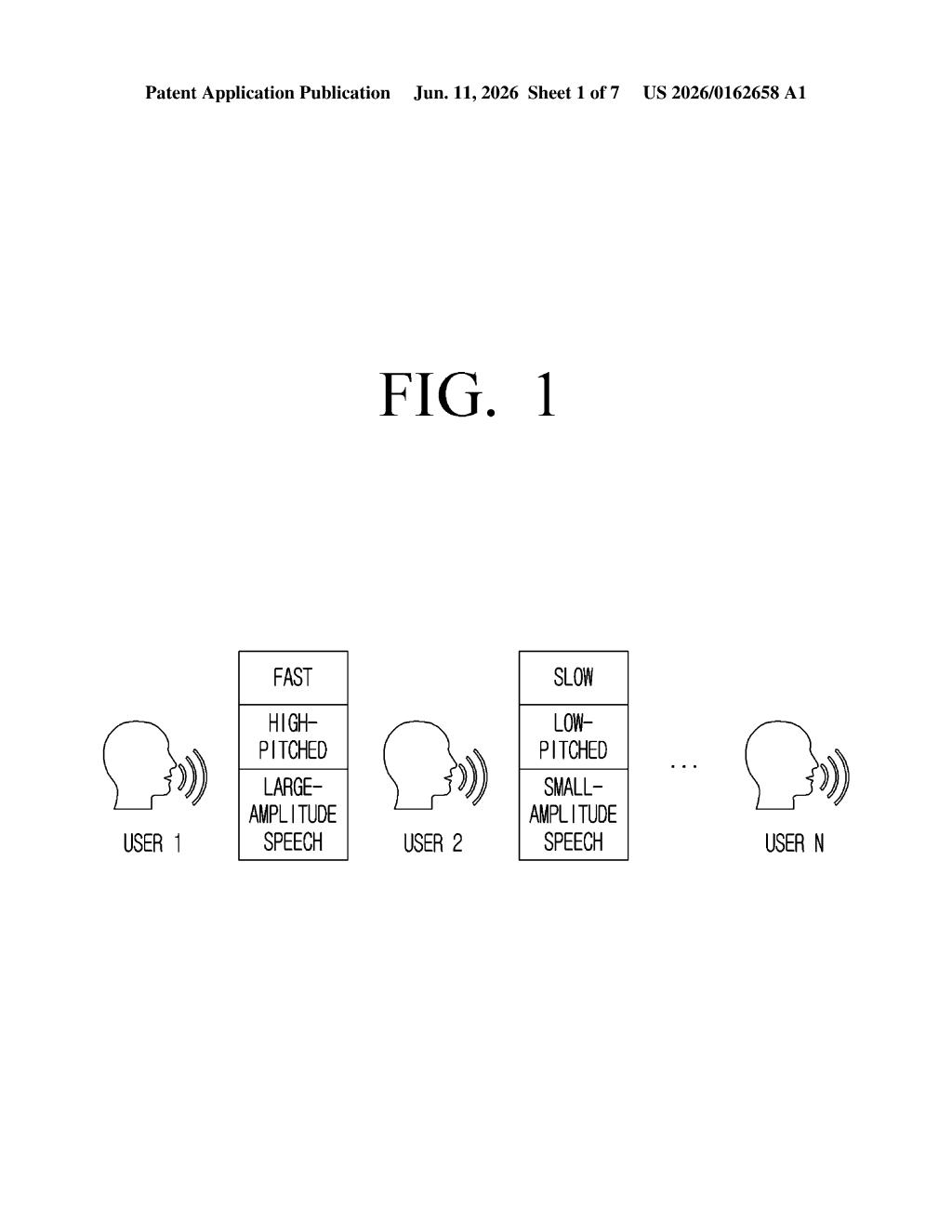
How Samsung's double-pass voice recognition works
Imagine you're dictating a text message in a noisy coffee shop. Your phone hears your voice, but the background chatter makes it hard to tell if you said 'meet' or 'meat.' Most voice recognition systems make a single best guess and move on. Samsung's patent describes a different approach.
The idea is to process your voice twice: once using the raw audio your microphone picked up, and again using a cleaned-up or enhanced version of that same audio. Each pass generates a ranked list of possible words or phrases it thinks you said.
By combining the scores from both passes, the system can make a more confident final decision — essentially giving itself a second opinion before committing to a transcription. The goal is fewer embarrassing voice-to-text errors without you having to repeat yourself.
Inside Samsung's dual-score candidate selection method
The patent describes a two-track voice recognition pipeline running on a single device. When you speak, the device captures what the patent calls first audio data — the raw recording of your voice.
It then runs acoustic augmentation (a signal-processing step that cleans, enhances, or otherwise transforms the original audio — think noise suppression, equalization, or spectral sharpening) to produce second audio data. Crucially, both versions are time-aligned: the system identifies the exact segment of audio where your speech occurs and matches that window across both the raw and enhanced recordings.
From there, each audio track is independently scored against a set of estimation candidates — the list of words or phrases the recognizer considers plausible. This produces:
- First scores — confidence ratings derived from the raw audio
- Second scores — confidence ratings derived from the enhanced audio
The device then combines both score sets to select the single best candidate as the final transcribed text. The patent doesn't prescribe a fixed fusion formula, leaving room for weighted averaging, voting, or other combination strategies.
What this means for Galaxy voice assistants
Voice recognition accuracy is one of the most user-visible ways a phone can frustrate you, and it's disproportionately bad in real-world conditions — wind, crowds, accents, fast speech. A system that cross-checks its own output against an acoustically enhanced version of the same clip is a practical way to squeeze more accuracy out of the same microphone hardware without requiring a better chip or a cloud round-trip.
For Samsung, which competes directly with Apple's Siri and Google's Assistant on Galaxy devices, incremental accuracy gains in on-device speech recognition matter. If this approach ends up in a future Bixby or keyboard dictation pipeline, you might just notice fewer corrections the next time you dictate a message.
This is a focused, pragmatic engineering patent — not a moonshot. The core insight (run two slightly different audio signals through your recognizer and merge the results) is straightforward, but it's the kind of careful plumbing work that actually moves the needle on daily voice recognition quality. Worth watching if you care about how Samsung's on-device AI stack evolves.
There are more where this came from
We read every patent application Big Tech publishes and send you the ones worth knowing. Plain English, free, every week.
Want this weekly breakdown for a company we don't cover? Patentlyze Pro →