
Samsung Patents a Voice Assistant That Responds Before You Finish Your Sentence
Most voice assistants wait for you to stop talking before doing anything. Samsung is patenting a system that jumps in with a first response the moment it hears enough of your sentence to make a useful guess — then updates that response once you've finished speaking.
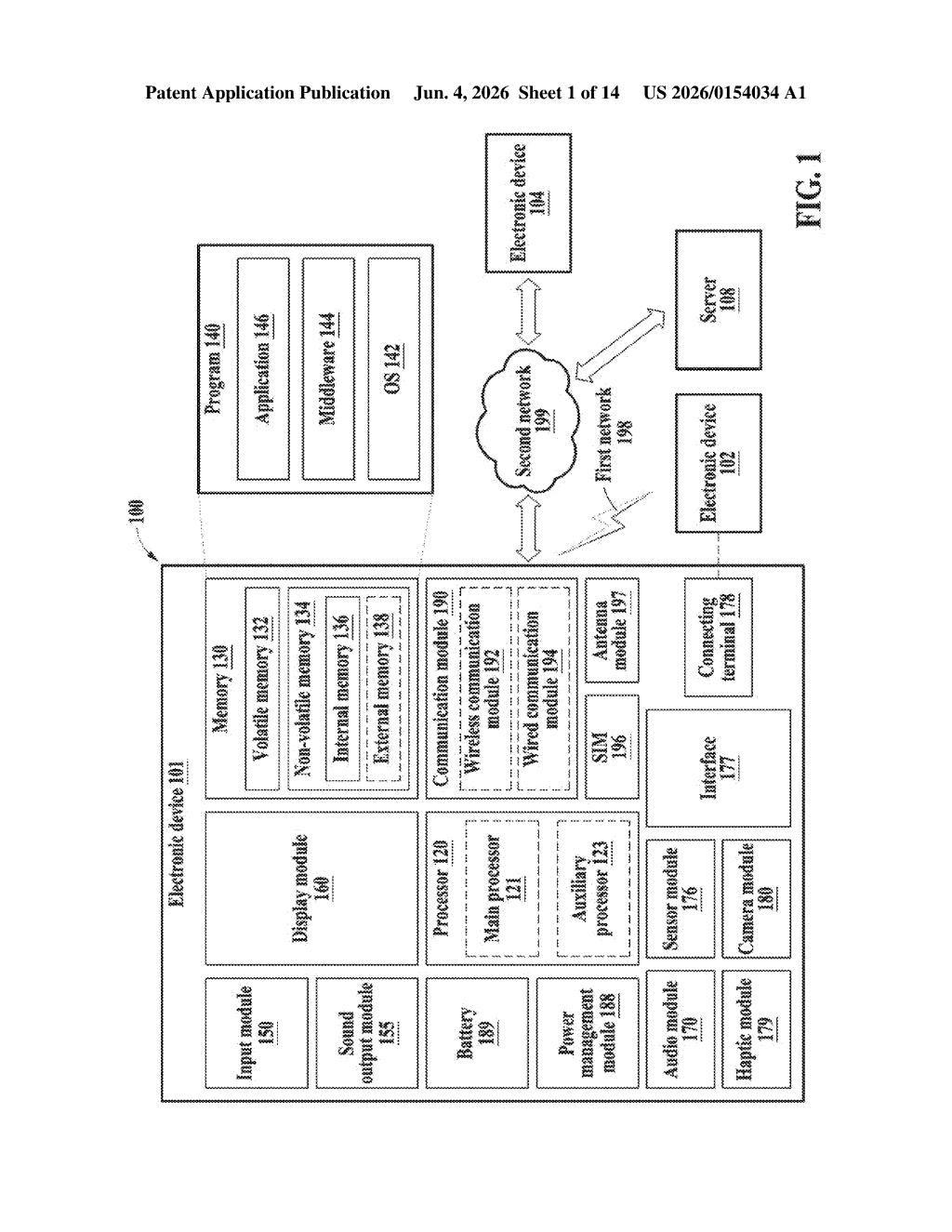
What Samsung's mid-utterance AI assistant actually does
Imagine you're asking your phone's assistant, "What's a good restaurant near me that serves..." and before you even finish saying "Italian food," your phone surfaces a list of options based on the partial phrase it already heard. That's the core idea here.
Samsung's patented approach splits the assistant's job into two stages. As soon as it picks up part of your question, it identifies any recognizable names, places, or categories — what the patent calls "entities" — and immediately shows you a related list you can interact with. You can tap, swipe, or otherwise engage with that first response while you're still talking.
Once you finish your full sentence, the assistant produces a second, refined response that takes both the complete utterance and your interaction with the first list into account. So your mid-sentence behavior becomes an input that shapes the final answer.
How the two-stage response pipeline works
The patent describes a two-pass response architecture for a voice assistant running on a Samsung device.
Pass 1 — Partial-utterance response: As audio is being captured, the system detects one or more entities (named things like people, places, apps, products, or categories) in the portion of the utterance received so far. It then retrieves data about those entities from on-device memory and renders a list of related items on screen — essentially a contextual quick-pick panel the user can interact with immediately.
Pass 2 — Full-utterance response: Once the voice input is detected as finished (end-of-utterance detection), the device generates a second response that incorporates both the complete spoken query and whatever user input was made against the first list — a tap, a scroll, a selection — during the interim period.
The architecture is essentially a speculative execution model for conversational UI (similar to how CPUs pre-execute instructions before confirming they're needed), applied to voice interaction. The key claim is that mid-utterance user behavior is captured and fed forward as a contextual signal into the final response.
What this means for next-gen Samsung voice assistants
For Samsung's voice assistant ecosystem — including Bixby and any future AI assistant layer on Galaxy devices — this patent points toward dramatically lower perceived latency. The user gets something useful on screen faster, and their natural browsing behavior while still speaking becomes an implicit refinement signal. That's a meaningful UX improvement over the current "please wait while I process" model.
From a competitive angle, Apple, Google, and Amazon are all working on faster, more contextual voice AI. A system that treats the gap between partial and complete speech as productive interaction time — rather than dead wait time — is a legitimate differentiator if Samsung can ship it reliably.
This is a genuinely interesting interaction design patent, not just a minor variation on existing voice assistant plumbing. The insight that mid-utterance user behavior can inform the final response is clever and practically useful. Whether Samsung can execute it smoothly on device — without the first response being so noisy it confuses more than it helps — is the real test.
There are more where this came from
We read every patent application Big Tech publishes and send you the ones worth knowing. Plain English, free, every week.
Want this weekly breakdown for a company we don't cover? Patentlyze Pro →