
Samsung Files Patent for Alerts That Track When Devices Regain Direct Cellular Coverage
When a remote IoT sensor switches from a satellite connection back to a live cellular network, the apps waiting for its data don't always know it happened. Samsung's new patent wants to fix that gap.
What Samsung's satellite-to-cell handoff signal actually does
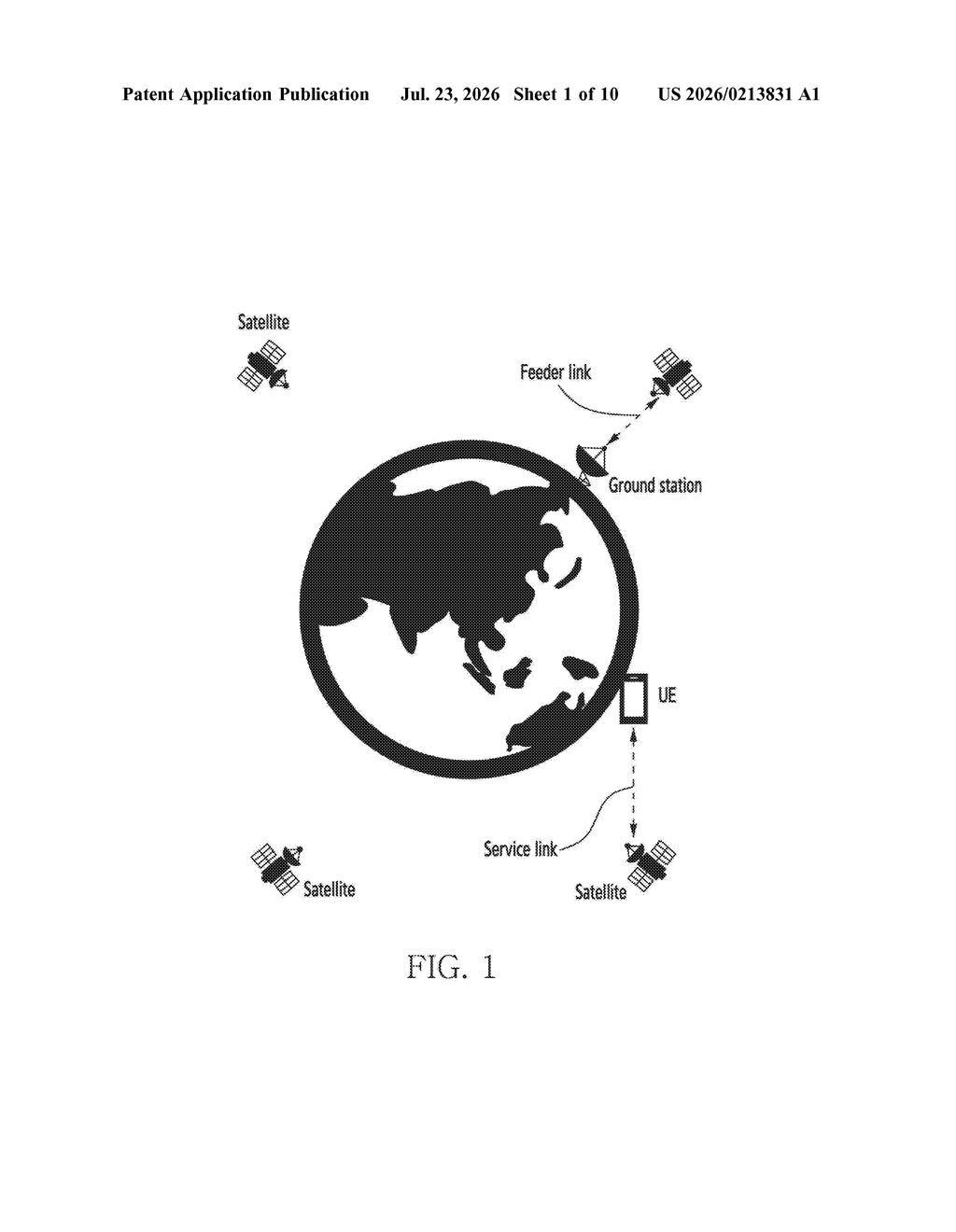
Imagine a shipping container sitting in the middle of the ocean. The tracking device inside can't reach a normal cell tower, so it stores up its data and sends it in batches whenever a satellite passes overhead. That's called store and forward mode. The problem: when the container finally arrives at port and the tracker reconnects to a regular cell network, the software systems monitoring it may not realize the device is now fully online and ready for real-time updates.
Samsung's patent describes a way to fix that. A piece of network infrastructure called a mobility management entity (basically the part of the cellular network that keeps track of where devices are) watches for the moment a device leaves satellite-only mode. As soon as that switch happens, it sends an alert to the application or server waiting for that device's data.
For you as a consumer, this is invisible plumbing. But for companies running fleets of IoT sensors that move between satellite coverage and regular cell coverage, knowing exactly when a device "wakes up" to the live network can make their systems much more accurate and responsive.
How the MME detects and reports the mode change
The patent describes a signaling method involving three main components:
- The UE (user equipment): any device, like an IoT sensor or tracker, that can operate in store-and-forward mode over a non-terrestrial network (NTN), meaning a satellite link.
- The MME (mobility management entity): the network node that manages device registration and movement. It's essentially the cellular core's bookkeeper for which devices are connected and how.
- The SCS/AS (service capability server / application server): the backend software that a company runs to receive data from its devices.
The MME is set up to monitor a specific monitoring event: the transition of a device from S&F (store-and-forward, satellite) mode to non-S&F mode (live cellular). When that transition is detected, the MME sends a message to the SCS/AS flagging the change.
This matters because store-and-forward mode means data is being queued up and sent in batches with significant delay. Once a device leaves that mode, it can send and receive data in something closer to real time. The application server needs to know this so it can adjust how it processes incoming data and what instructions it sends back.
What this means for IoT devices on satellite networks
Satellite-to-cellular handoffs are becoming more common as networks like 5G NTN (the standard that lets phones and IoT devices connect to low-Earth-orbit satellites) roll out. Right now, the software layer sitting above those networks often has no reliable signal that a device has made that transition. Samsung's approach plugs that gap at the core network level, so the alert is generated by trusted infrastructure rather than by the device itself.
For enterprise IoT, this could mean fewer missed data windows and more accurate timestamps on sensor readings. It's also a fairly standards-relevant filing: Samsung is a major contributor to 3GPP (the body that writes global cellular standards), so patents in this space often reflect work that eventually gets baked into the specs every carrier follows.
This is a narrow, infrastructure-level patent that will matter a great deal to network engineers and IoT platform developers, and almost no one else. It's not a consumer feature and it's not a product reveal. But Samsung's deep involvement in 3GPP standards work means filings like this often have a longer shelf life than they appear: what looks like an obscure signaling detail today can become a mandatory part of the spec tomorrow.
There are more where this came from
We read every patent application Big Tech publishes and send you the ones worth knowing. Plain English, free, every week.
The drawings
10 drawing sheets from US 2026/0213831 A1 · click any drawing to enlarge


Want this weekly breakdown for a company we don't cover? Patentlyze Pro →
Be the first to weigh in