
Sony Patents an AI System That Diagnoses and Auto-Fixes Game Performance Bugs
Sony wants to automate one of the most tedious parts of game development: hunting down why your frame rate just tanked. A new patent describes an ML system that watches for performance issues during QA, diagnoses the root cause, and — if it can — just fixes the code itself.
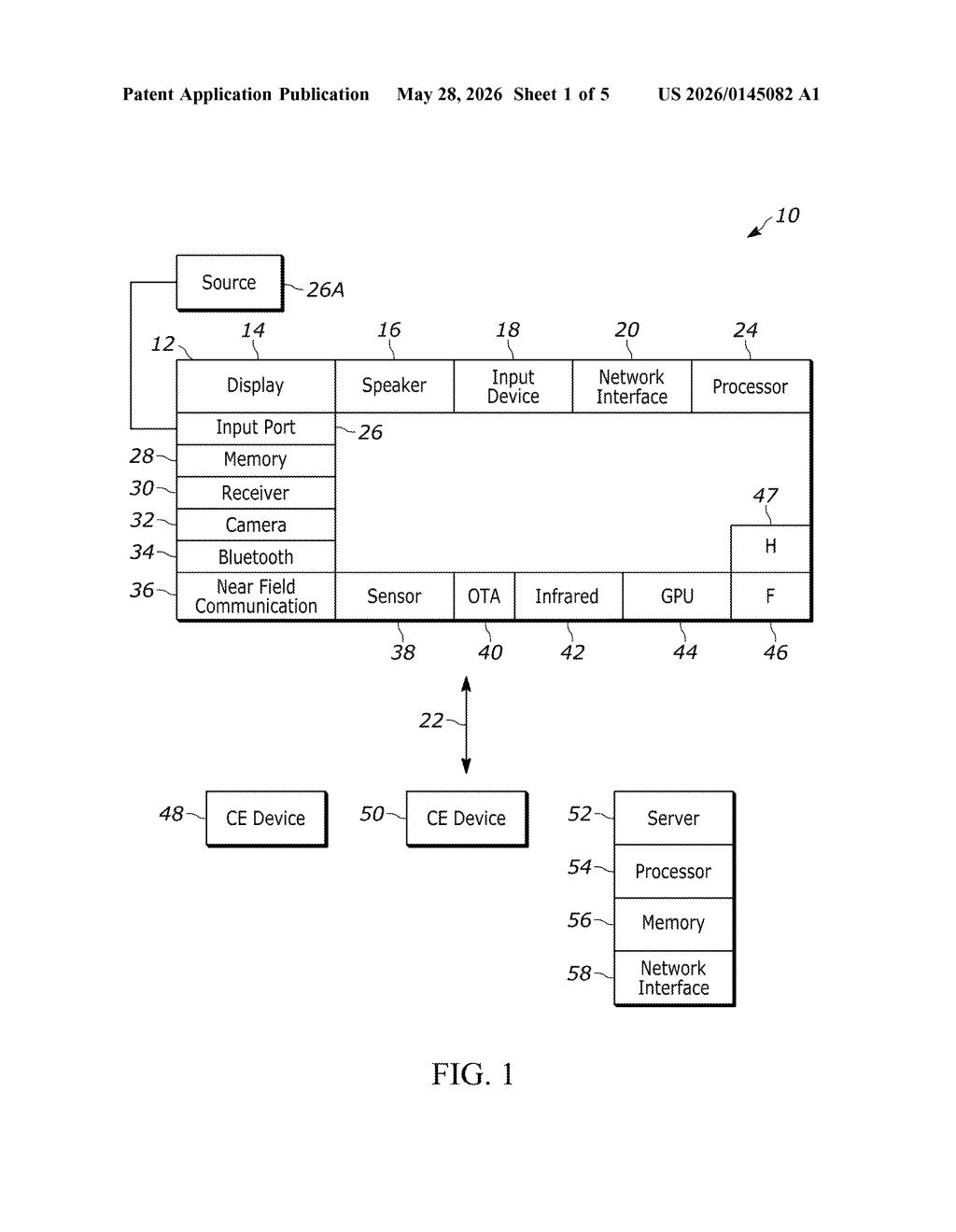
What Sony's AI game-fixer actually does during QA
Imagine you're a game tester and the frame rate suddenly drops to a crawl during a busy battle scene. Normally, a developer has to stop, reproduce the bug, dig through thousands of lines of rendering code, figure out what went wrong, fix it, and then test again. That loop can eat days.
Sony's patent describes a system that handles most of that automatically. When something goes wrong during a QA playthrough — a frame rate drop, a crash, a network hiccup — the system takes a snapshot of exactly what the game was doing at that moment. It then uses a machine learning model to figure out the likely cause and attempts to patch the code on its own.
If the fix works, it's automatically committed to version control (the shared codebase all developers use), so it's saved and tracked without anyone lifting a finger. If the ML can't fix it, a human developer gets a notification with all the diagnostic info they need to tackle it themselves.
How the snapshot triggers Sony's ML repair loop
The system sits inside the QA execution environment — think of it as an intelligent observer running alongside the game. It monitors for specific classes of issues: frame rate drops, runtime exceptions (crashes or errors), and network lag.
When a threshold is crossed, it captures a snapshot — essentially a freeze-frame of the game's internal state, including the active draw calls (the GPU instructions responsible for rendering each object on screen). The snapshot lets the system pinpoint where the bottleneck is happening, not just that something went wrong.
From there, an ML model attempts to repair the underlying code. The patent specifically names two repair strategies:
- Tessellation rate adjustment — reducing how finely the GPU subdivides 3D geometry, which is a common source of rendering overhead
- Shader operation tuning — modifying the small programs that calculate lighting, shadows, and visual effects per pixel
If the model's fix passes validation, it's committed to version control automatically — the same way a human developer would push a change to Git or Perforce. If the fix fails, the developer gets a notification with the snapshot data so they can investigate manually. The whole loop is designed to run without blocking the QA session.
What this means for PlayStation game development pipelines
For game studios, QA is expensive and slow — and performance debugging is among the least glamorous work on the team. A system that can automatically close the loop on routine rendering bottlenecks would free engineers to focus on the bugs that actually require human judgment. Sony's PlayStation studios, which ship technically demanding first-party titles, have obvious motivation to compress that cycle.
The auto-commit-to-version-control step is the most interesting — and arguably the most controversial — design choice here. It means AI-generated code changes land in the shared codebase without a human code review, at least for the cases the model handles confidently. That's a workflow shift worth watching, because it raises real questions about auditability and regression risk in production game code.
This is a genuinely practical patent — not a moonshot, but a real engineering problem Sony's studios deal with every day. The auto-commit angle makes it more interesting than a typical diagnostics tool, and it fits cleanly into the broader industry push toward AI-assisted developer tooling. Whether the ML repair logic is actually reliable enough for unsupervised commits is the real question, and the patent doesn't answer it.
There are more where this came from
We read every patent application Big Tech publishes and send you the ones worth knowing. Plain English, free, every week.
Want this weekly breakdown for a company we don't cover? Patentlyze Pro →