
Samsung Patent Reveals AI Tool That Detects and Fills Missing Photo Elements
Imagine taking a photo of a birthday cake and having your phone notice that no candles are lit, then add them in. Samsung's latest patent describes an AI that analyzes a scene, decides what's contextually missing, and inserts it automatically.
What Samsung's photo-completion AI actually does
Picture this: you snap a photo of a dining table set for a dinner party, but you forgot to put wine glasses out before shooting. Samsung's patent describes a system that would look at that photo, understand the scene, and notice that wine glasses are the kind of thing typically present in that context. Then it would add them in, placed naturally in the image.
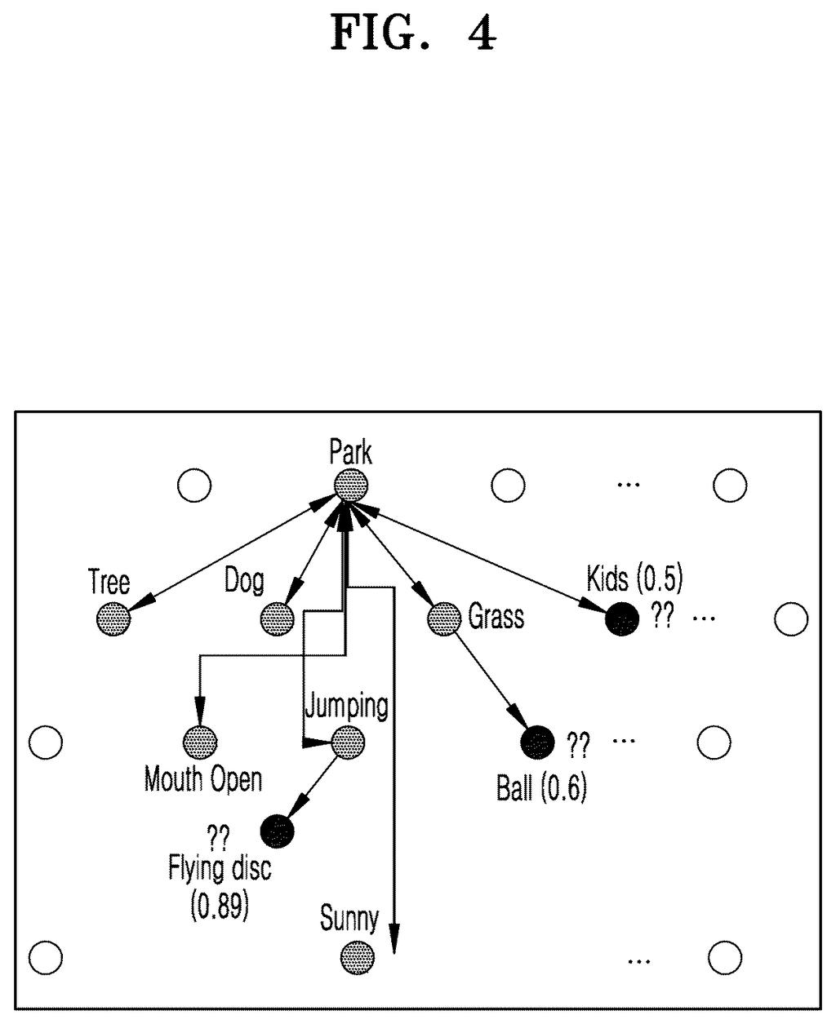
The system uses an AI model that reads both the photo itself and any attached metadata (like GPS location or camera settings) to build a kind of relationship map of the scene. From that map, it predicts what objects are likely absent but would make the image feel more complete. It then picks the best candidate, finds the right spot in the photo to place it, and blends the new element in.
This is different from a simple filter or sticker tool. The AI is making a judgment call about what belongs in a photo based on context, not just applying a preset effect. Think of it as autocomplete for visual composition.
… obtaining, using an Artificial Intelligence (AI) model, a scene graph indicating a relationship between one or more visual features associated with the input image based on the metadata …
Translation: The AI reads the photo's data to map out how different objects in the picture relate to each other.
How the scene graph finds and fills the gap
The patent describes a multi-step pipeline running on an electronic device (most likely a smartphone).
- Input gathering: The system takes the original photo plus its metadata, which can include location tags, time of day, camera exposure settings, and similar contextual signals.
- Scene graph construction: An AI model builds a "scene graph" from this data, essentially a structured map of the objects and relationships already present in the image (for example: table, linked to plates, linked to cutlery).
- Missing element prediction: The AI then predicts which elements are plausible but absent, and assigns each a probability score. Only candidates scoring above a set threshold are considered.
- Region of interest detection: For the top-scoring missing element, the model identifies exactly where in the image that object should appear, based on the existing scene layout.
- Integration: The system finds or generates an image of the missing element and composites it into the photo at that location to produce the final output image.
The claim covers the whole loop from intake to output, meaning Samsung is protecting the end-to-end process, not just one step.
… predicting, using the AI model, one or more candidate probable missing elements based on the scene graph.
Translation: Based on that map, the software figures out what important objects or details might be missing.
What this means for Samsung camera software
For Samsung's Galaxy camera line, this kind of AI could eventually become a shooting or post-processing feature that helps users get more visually complete photos without reshooting. Rather than prompting the user to do something differently, the phone would handle it after the fact.
It also signals where Samsung's camera AI is heading: away from enhancement (making existing elements look better) and toward completion (deciding what the photo needs and supplying it). That's a meaningful shift in what "editing" means on a smartphone, and it puts Samsung in the same conversation as generative AI camera tools from Google and Apple.
This patent describes a genuinely interesting idea, using scene understanding to drive generative photo editing rather than leaving that judgment to the user. Whether Samsung can execute it in a way that feels natural and not gimmicky is another question, but the underlying approach is more thoughtful than most "AI photo" marketing suggests.
There are more where this came from
We read every patent application Big Tech publishes and send you the ones worth knowing. Plain English, free, every week.
The drawings
20 drawing sheets from US 2026/0229000 A1 · click any drawing to enlarge


Want this weekly breakdown for a company we don't cover? Patentlyze Pro →
Be the first to weigh in