
IBM Patents a System That Tests Its Own AI for Bias and Picks the Fix
What if an AI could write its own test sentences to catch its own biases, and then automatically choose the best way to correct them? That's the idea behind IBM's latest patent filing.
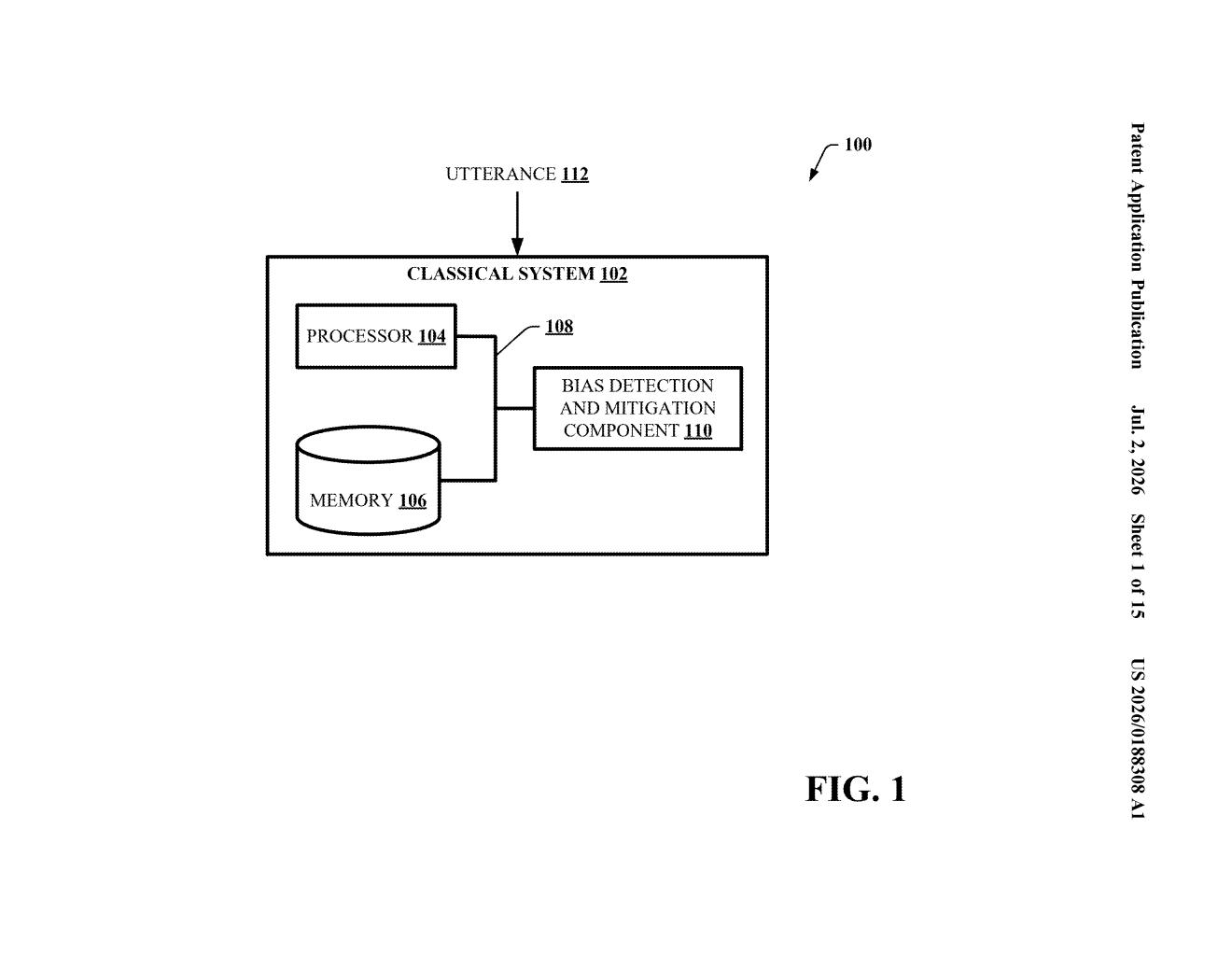
How IBM's bias-detection system actually works
Imagine asking a voice assistant something simple, and the answer changes depending on whether you mentioned a woman's name instead of a man's. That's AI bias, and it's a real problem in language-processing software used for hiring, customer service, and healthcare.
IBM's patent describes a system that hunts for that kind of bias automatically. It takes real sentences, identifies the people, places, or groups mentioned in them, then generates a batch of alternate test versions, swapping in different names, genders, or demographic details. It feeds all those versions through an AI language model and watches for inconsistent responses.
When it finds a problem, it doesn't just flag it. It uses a selection method called quadratic algorithm selection to weigh the available fixes and pick the one most likely to work for that specific type of bias. The goal is to make the whole process faster and more automatic, so companies can catch and correct bias before it reaches users.
Inside IBM's simulated-utterance testing pipeline
The system works in four connected stages.
- Entity identification: The system scans incoming text (called "utterances" in the patent) for named entities, meaning specific references to people, organizations, locations, or demographic groups.
- Simulation: It then generates new test sentences by swapping those entities out for alternatives. If the original sentence mentions "a male engineer named James," the system might generate versions with a female engineer named Maria, or a non-binary engineer with a different name, to see if the AI treats them differently.
- Bias detection: Those simulated sentences get run through the nodes of a natural language processing (NLP) model (the internal layers of an AI that interpret and generate language) and the outputs are compared for inconsistencies that suggest bias.
- Debiasing via quadratic algorithm selection: When bias is found, the system uses quadratic algorithm selection, an optimization approach that evaluates multiple possible fixes against each other simultaneously rather than testing them one by one, to choose the most effective debiasing method for the specific case.
The practical effect is a pipeline that can continuously monitor a deployed language model for fairness issues and apply corrections with minimal manual intervention.
What this means for AI fairness in enterprise software
For companies deploying AI in regulated industries like finance, healthcare, or HR, proving that their models treat all groups fairly is increasingly a legal and reputational requirement. A system that automates both the detection and correction of bias removes a significant manual burden from AI development teams.
The quadratic selection piece is the more technically interesting claim here. Most bias mitigation today involves picking a debiasing method by trial and error or expert judgment. If IBM's approach genuinely improves how the right fix gets matched to the right problem, it could make AI fairness audits faster and more consistent across enterprise deployments at scale.
This is practical, unglamorous work that matters more than most AI patents filed this year. Bias in language models is a documented, costly problem for enterprise customers, and IBM's core business is selling AI to exactly those customers. A patent that automates both detection and remediation is a real product bet, not just a research filing.
There are more where this came from
We read every patent application Big Tech publishes and send you the ones worth knowing. Plain English, free, every week.
Want this weekly breakdown for a company we don't cover? Patentlyze Pro →