
Nvidia Patents an AI That Lets You Question Your Security Cameras in Plain English
Instead of scrubbing through hours of surveillance footage, you could just type 'show me anyone who entered the loading dock after midnight' and get a direct answer. That's the core idea behind Nvidia's latest patent filing.
What Nvidia's multi-agent video search actually does
Imagine you manage security for a large warehouse and you need to find out if anyone entered a restricted area between 2 and 4 a.m. last Tuesday. Today, that probably means manually reviewing hours of recorded footage or hoping your system has the right tag. Nvidia's patent describes a way to just ask the question in plain English and have an AI figure out the rest.
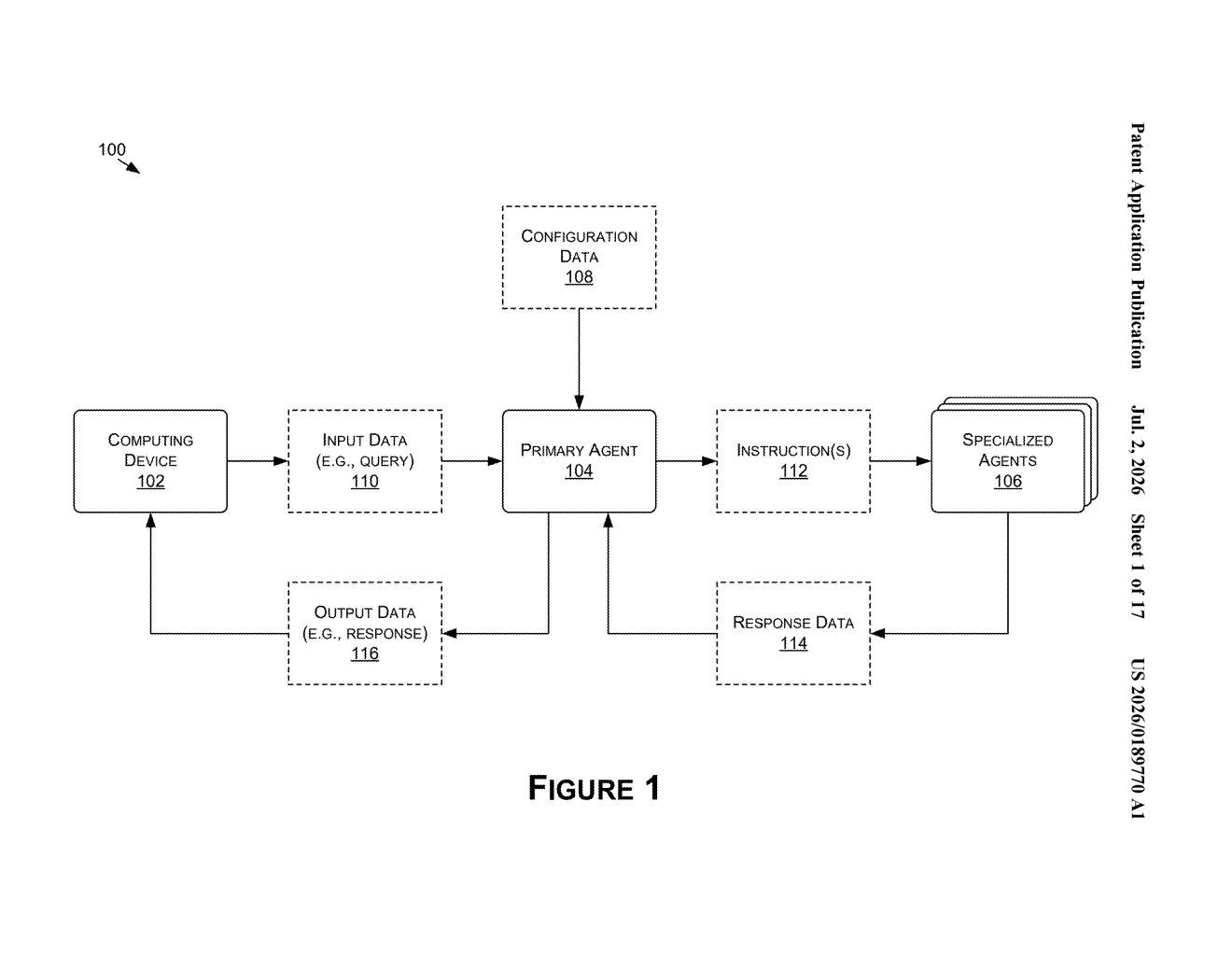
The system works like a team of specialists. A lead AI takes your question, breaks it into tasks, and hands those tasks to helper AIs: one knows how to fetch the right video clips, another actually watches those clips and describes what it sees. The lead AI then pulls those descriptions together into a coherent answer for you.
This is aimed at the people who run video management systems, the software platforms that connect and organize cameras across businesses, airports, hospitals, and cities. Right now those platforms are powerful but require trained operators who know exactly how to search. This patent is about making them feel more like a conversation.
How the agent pipeline pulls and reads video clips
The patent describes a multi-agent architecture (a team of specialized AI programs that collaborate) layered on top of existing video management software. Here's how the chain works:
- A primary agent receives a natural-language query from a user, processes it using a large language model, and breaks it into specific sub-tasks, essentially writing an internal to-do list.
- A Video Storage Toolkit (VST) agent receives the retrieval sub-tasks and knows how to talk to the underlying video database, fetching the specific clips or timestamps that are relevant.
- A Vision Language Model (VLM) agent receives those raw video segments and uses a vision-capable AI (one that can watch video and produce written descriptions) to narrate what's actually happening on screen.
- The primary agent collects all the text descriptions back from the VLM agent and synthesizes a final multimodal response (an answer that can combine text, images, or video references) to send back to the operator.
The patent also mentions optional video analytics agents that could run structured analysis, like counting people or detecting specific object types, in addition to the open-ended vision-language description step. The design lets operators plug in different specialized agents depending on what their system needs.
What this means for surveillance and video operations
Video management platforms are used by some of the largest organizations in the world: retail chains, logistics operators, transit authorities, data centers. Right now, most of them require operators to already know what they're looking for and where. An AI layer that can parse intent, retrieve footage, and describe it back in plain language would change how security operations centers actually function day to day.
Nvidia already sells physical AI infrastructure to the companies that build and deploy these platforms. A software architecture patent like this signals that Nvidia is positioning itself not just as a chip supplier but as the AI framework provider for the entire video intelligence stack. That's a meaningful expansion of how it competes with companies like Milestone Systems, Genetec, or any cloud provider offering video analytics.
This is a real and specific patent that addresses a genuine pain point in professional video management. The multi-agent design is well-suited to the problem: video retrieval and video understanding are genuinely different tasks that benefit from specialization. Whether it ever ships as a product depends on Nvidia's go-to-market strategy in the physical security software space, but the technical logic here is sound and the use case is commercially meaningful.
Get our take in your Top Stories
Liked this breakdown? Add Patentlyze as a preferred source on Google, and our plain-English take shows up more often in your Top Stories the next time Nvidia patent news breaks.
There are more where this came from
We read every patent application Big Tech publishes and send you the ones worth knowing. Plain English, free, every week.
Want this weekly breakdown for a company we don't cover? Patentlyze Pro →