
Salesforce Patents a Three-AI System That Writes, Reviews, and Fixes Its Own Automation Code
Salesforce is patenting a system where one AI writes a software workflow, a second AI audits it for logic errors, and a third AI fixes whatever the auditor flagged — all before the user sees the result.
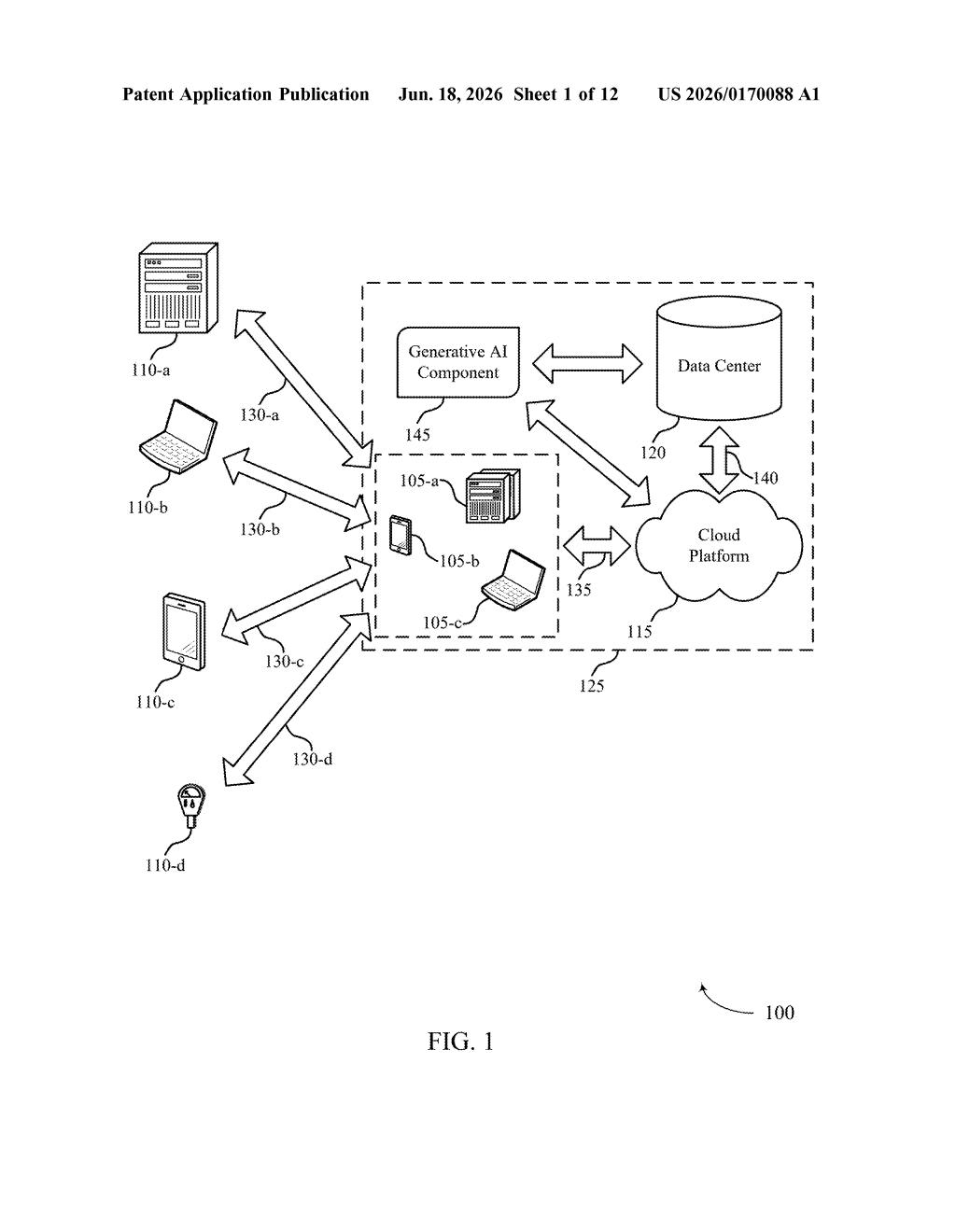
What Salesforce's self-correcting AI workflow builder actually does
Imagine you ask a contractor to wire your kitchen, and before you ever flip a light switch, a second contractor inspects every connection and a third one fixes anything wrong. That's the rough idea here, except the contractors are AI models and the wiring is software.
Salesforce wants to use this three-step process to build what the industry calls integration flows — basically the automated pipelines that move data between your company's apps, like sending a new sales deal from your CRM straight into your accounting software. Right now, building those pipelines requires technical know-how. Salesforce's patent describes a way to let you describe what you need in plain language and have AI do the rest.
The twist is the quality check baked in. Most AI code generators spit out a result and leave error-hunting to you. This system assigns a dedicated AI specifically to finding logical mistakes, and another AI specifically to correcting them — before you ever touch the output.
How three separate AI models divide the build-check-fix work
The patent describes a three-model assembly line running inside an application server:
- Model 1 (the builder) takes a user's plain-language request — plus background context about the existing system and past conversation history — and drafts a first version of the integration flow. That draft also goes through an initial validation pass (catching obvious structural problems) before moving on.
- Model 2 (the auditor) runs a correctness evaluation — essentially a checklist of criteria the flow must meet. It identifies logical errors: cases where the flow would technically run but produce wrong results, skip steps, or mishandle edge cases.
- Model 3 (the fixer) takes the auditor's report and generates a corrected second version of the flow, addressing each flagged issue against the same list of correctness criteria.
The use of three distinct models (rather than one model asked to do all three jobs) is deliberate. Each model can be tuned or prompted differently for its specific role, and the separation means an error introduced by the builder can be caught by an auditor that has no stake in defending the original output.
Integration flow grounding information — essentially documentation about the APIs, data schemas, and systems involved — is fed into the process so the AI isn't guessing at how the connected apps actually work.
What this means for Salesforce admins and no-code builders
For Salesforce admins and business users, this is squarely aimed at making the company's MuleSoft and Flow Builder products more accessible. Building integrations between enterprise apps today requires knowing how APIs work, how data maps between systems, and how to debug when things go silently wrong. A system that catches logic errors automatically before you deploy could make a real difference.
For Salesforce as a company, this is part of a broader push to embed AI into the parts of enterprise software that still require skilled technical labor. If the three-model pipeline works as described, it shifts the job from writing integrations to describing them — which opens the tooling to a much wider audience inside a customer's organization.
This is a legitimate engineering approach to a real problem: AI code generators are notoriously bad at catching their own logical mistakes. Splitting the work across three specialized models is a sensible design, and the focus on 'correctness criteria' rather than just syntax checking suggests Salesforce has thought carefully about what actually breaks in production integration flows. Whether the three-model overhead is worth it in practice will depend on latency and cost at scale — but the underlying idea is sound.
There are more where this came from
We read every patent application Big Tech publishes and send you the ones worth knowing. Plain English, free, every week.
Want this weekly breakdown for a company we don't cover? Patentlyze Pro →