
Salesforce Patents a Chatbot That Scores and Rewrites Its Own Responses
What if your AI assistant could fail its own homework, read the teacher's feedback, and rewrite the answer before you ever saw it? That's the idea behind Salesforce's latest patent filing.
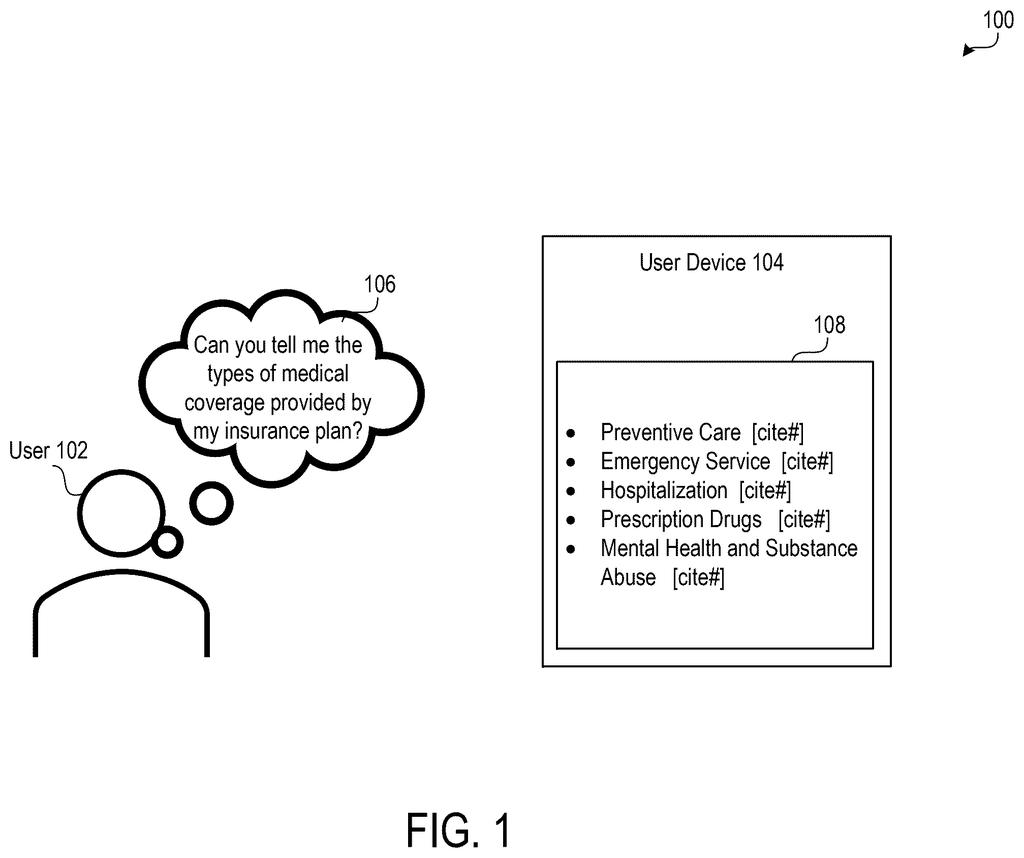
How Salesforce's self-checking AI agent actually works
Imagine you ask a customer-service chatbot a question and it gives you a slightly wrong answer. Normally that bad answer just goes straight to you. Salesforce's patent describes a system where a second AI steps in first, grades the answer against a checklist of quality standards, and if it fails, sends the feedback back so the first AI can try again.
The first AI writes the response. The second AI reads both your original question and the response, then produces a mini report: a score, an explanation of what went wrong, and a specific quote from the conversation to back up its verdict. If the response doesn't pass, the first AI gets a revised set of instructions and takes another shot.
Only when the second AI gives a passing grade does the answer actually reach you. It's essentially a built-in editor running invisibly before every reply.
Inside the two-model grading and rewrite loop
The system involves two separate large language models (AI systems trained on text that can read and write natural language) working in sequence.
- The first model generates a response to your query using a structured prompt that combines your question with an instruction set.
- The second model acts as an evaluator. It reads your original question, the generated response, and a short summary of the conversation so far, then produces an evaluation report containing a rating, an explanation, and a citation pulled directly from the conversation to justify its judgment.
- If the first response fails any metric in the evaluation checklist (accuracy, relevance, tone, and so on), the original prompt is automatically updated with the failure feedback, and the first model generates a new response.
- The second model evaluates the new response. If it passes, the answer goes to the user.
The second model is fine-tuned (trained on a specific dataset) using examples that include conversation summaries paired with interaction histories, teaching it to produce grounded, citation-backed evaluations rather than vague scores. Both models are connected through separate APIs (software connectors) inside a unified AI agent built on Salesforce's server infrastructure.
What this means for AI reliability in business software
For businesses using AI in customer support, sales, or internal tools, accuracy is a real liability. A chatbot that confidently gives wrong policy information or bad product advice costs money and trust. A built-in review loop that can catch and correct errors before they reach the user is a meaningful step toward making AI agents reliable enough for high-stakes workflows.
Salesforce sells AI tools to enterprises through its Einstein and Agentforce platforms, so this kind of architecture fits directly into existing products. The more interesting detail is the citation requirement: forcing the evaluator model to point to specific parts of the conversation grounds its judgments in something concrete, which makes the whole system easier to audit when something goes wrong.
This is a practical, well-scoped approach to a real problem with AI agents: they sound confident even when they're wrong. The two-model loop with citation-backed evaluations is the kind of thing that actually moves enterprise adoption forward, because it gives companies a paper trail when an AI makes a mistake. It's not flashy architecture, but it's exactly the plumbing that makes AI usable in places where errors have consequences.
There are more where this came from
We read every patent application Big Tech publishes and send you the ones worth knowing. Plain English, free, every week.
The drawings
18 drawing sheets from US 2026/0220166 A1 · click any drawing to enlarge


Want this weekly breakdown for a company we don't cover? Patentlyze Pro →