
IBM Patents an AI That Plans Your Data Analysis Steps for You
Most people who work with data know what question they want answered but not how to get there. IBM is patenting a system where an AI figures out the analysis steps for you, then draws a map of the whole process.
What IBM's auto-analysis path generator actually does
Imagine you hand a colleague a spreadsheet and say, "I want to know why sales dropped last quarter." A good analyst would know which calculations to run, in what order, and how to check whether each step makes sense before moving to the next. IBM is patenting a system that does this automatically.
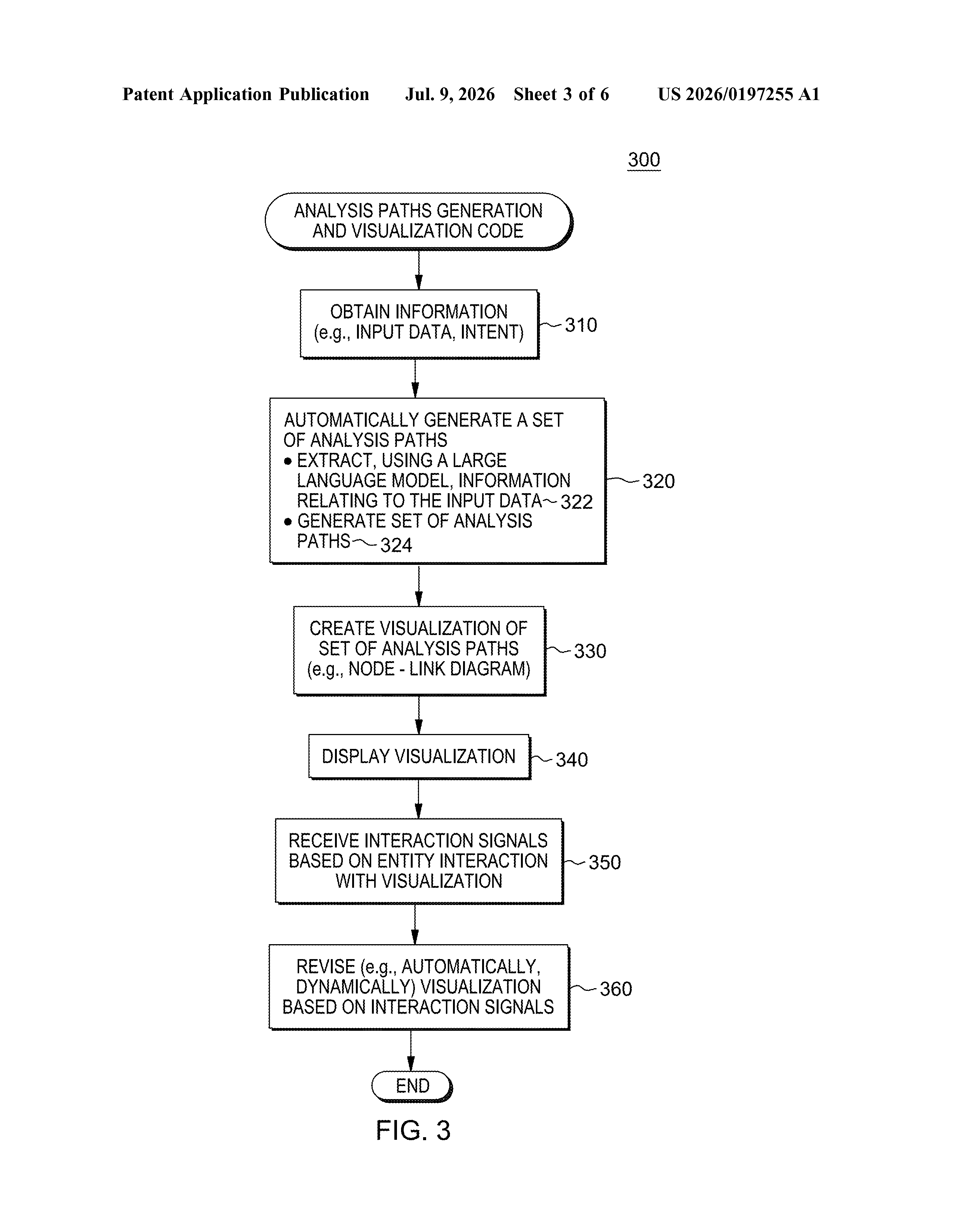
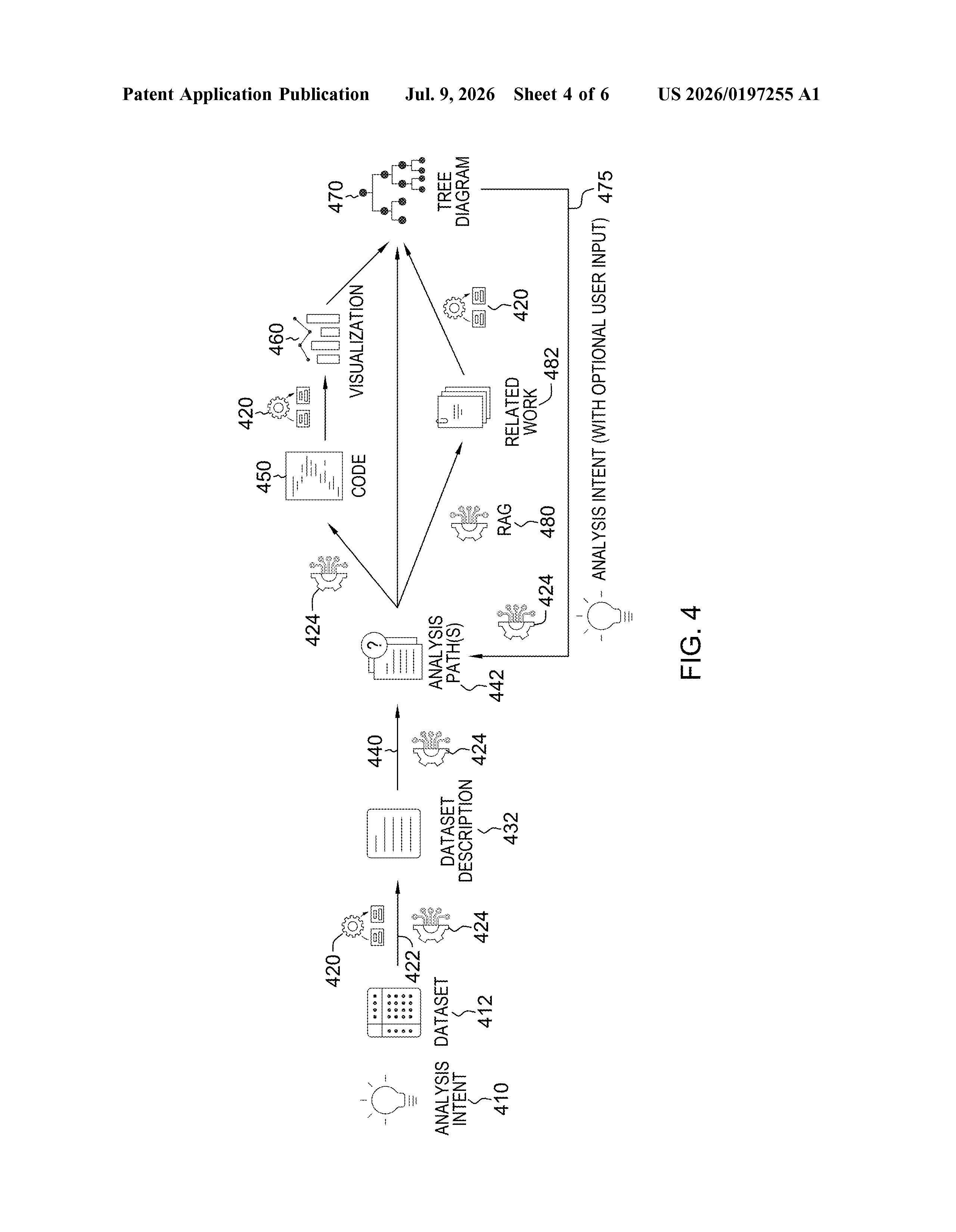
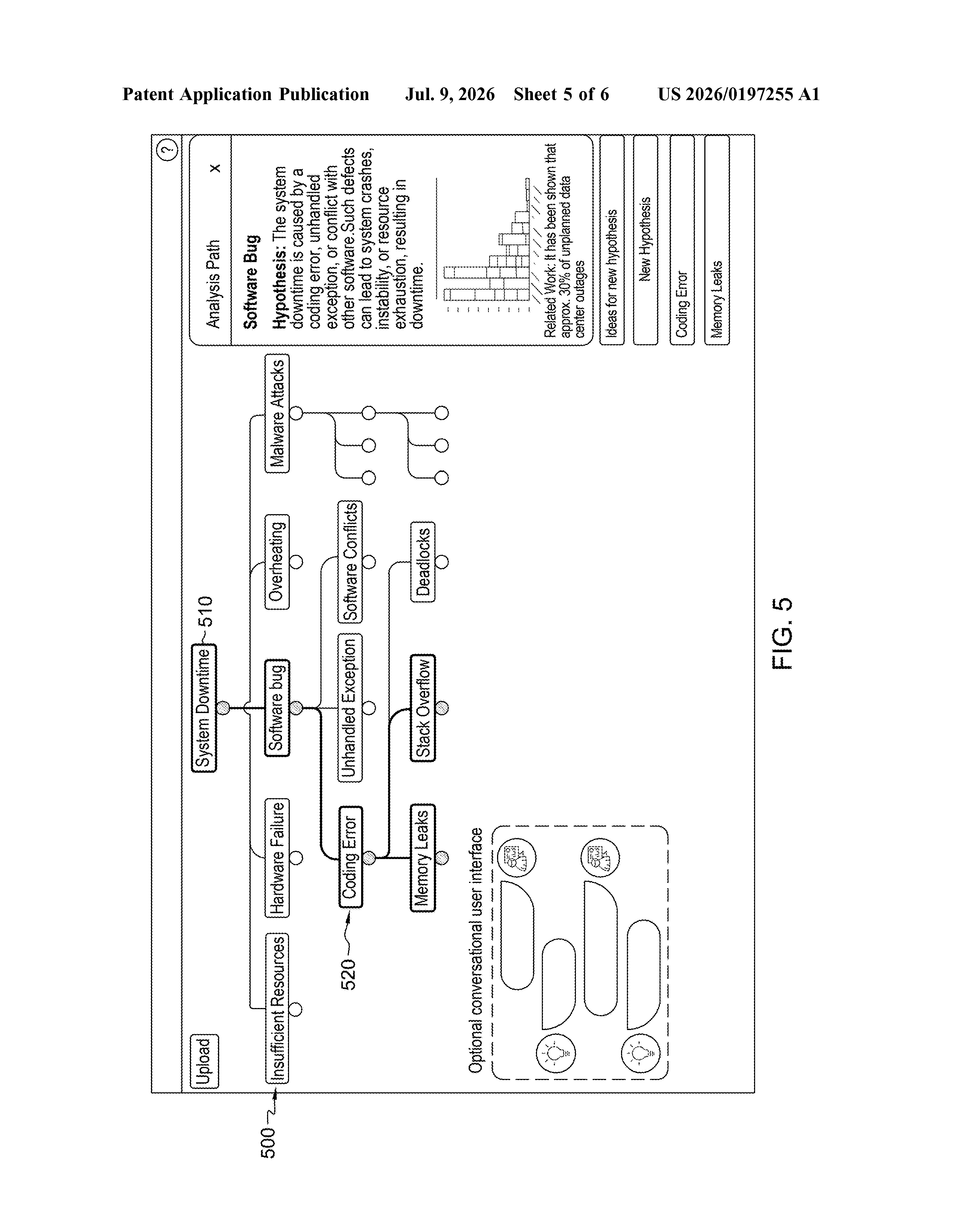
You give the system your data and describe what you're trying to figure out. The AI, trained on analytical reasoning, generates one or more "analysis paths" showing you how to get from your raw data to your answer, step by step. It then turns those paths into a visual map you can actually look at and follow.
The idea is that non-experts get a guided route through complex data problems, while experienced analysts get a starting point they can inspect and modify. Think of it like a GPS for data work: you say where you want to go, and the system proposes the route.
How the AI turns intent into a sequence of analysis steps
The patent describes a system that takes two inputs: data (whatever dataset is being studied) and an intent (a description of what the user wants to learn or accomplish with that data). An AI application, built on one or more trained models, processes both inputs together and produces a set of analysis paths.
Each analysis path is essentially a sequence of analytical steps, a proposed workflow from starting data to conclusion. The system may generate more than one path, giving users options depending on their priorities (speed, depth, confidence level, and so on).
- Intent capture: The system reads what the user wants, not just what data they have.
- AI-driven path generation: Trained models translate that intent into ordered analysis steps.
- Visualization: The resulting paths are rendered as a visual display, not buried in a menu or hidden in code.
The claim is deliberately broad: it covers any computing device, any AI model trained for this task, and any visualization format. The patent doesn't prescribe a specific model architecture or chart type, leaving the implementation details open.
What this means for business analysts and data tools
For large organizations drowning in data, the bottleneck is often not computing power but analytical judgment: knowing which questions to ask and in which order. A tool that automates that planning layer could bring data analysis within reach for teams that don't have dedicated data scientists. IBM's enterprise software portfolio, including its watsonx platform, is the obvious home for something like this.
That said, the patent's core claim is quite broad and abstract, which is common in early-stage AI filings. It stakes out the general idea of AI-generated, visually displayed analysis workflows without committing to a specific technical approach. Whether the underlying models are good enough to generate useful paths rather than generic ones is the real question, and that answer lives in the implementation, not the patent.
This is a reasonable idea filed in very abstract terms. The concept of an AI that plans data analysis workflows has obvious value in enterprise settings, and IBM clearly wants to plant a flag early. But the claim is so high-level that it reads more like a reservation than a finished invention. Watch for more specific follow-on filings if IBM actually ships something.
Get our take in your Top Stories
Liked this breakdown? Add Patentlyze as a preferred source on Google, and our plain-English take shows up more often in your Top Stories the next time IBM patent news breaks.
There are more where this came from
We read every patent application Big Tech publishes and send you the ones worth knowing. Plain English, free, every week.
The drawings
6 drawing sheets from US 2026/0197255 A1 · click any drawing to enlarge
Want this weekly breakdown for a company we don't cover? Patentlyze Pro →