
IBM Patent: AI Automatically Maps Data Relationships and Rules Without Human Involvement
Setting up a database properly takes skilled engineers days of painstaking work. IBM is filing a patent on an AI that does that setup automatically, just by looking at the data itself.
What IBM's automatic data model builder actually does
Imagine a company gets a big dump of customer records and sales figures from a merger. Before anyone can run reports or build apps on top of that data, a data engineer has to spend hours (sometimes days) figuring out how all the pieces connect: which column is the unique ID, which table references which other table, what business rules the data follows. It's tedious, error-prone work.
IBM's patent describes an AI system that takes a raw dataset and figures all of that out on its own. It learns how the data is structured, infers the relationships between tables, identifies the rules that govern the data, and then writes the actual code needed to put those structures in place.
The goal is to take what is currently a manual, specialist task and make it something a machine handles automatically the moment new data arrives. You drop in a dataset; the system maps it, rules it, and builds the model for you.
How the AI reads keys, rules, and writes its own code
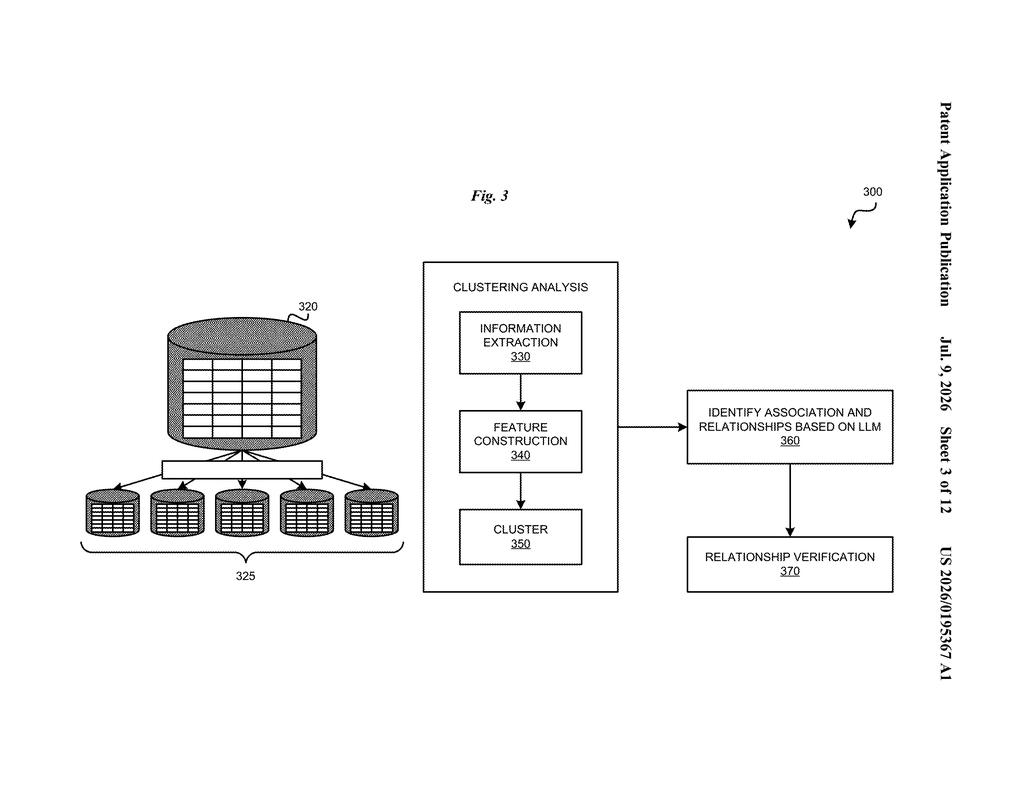
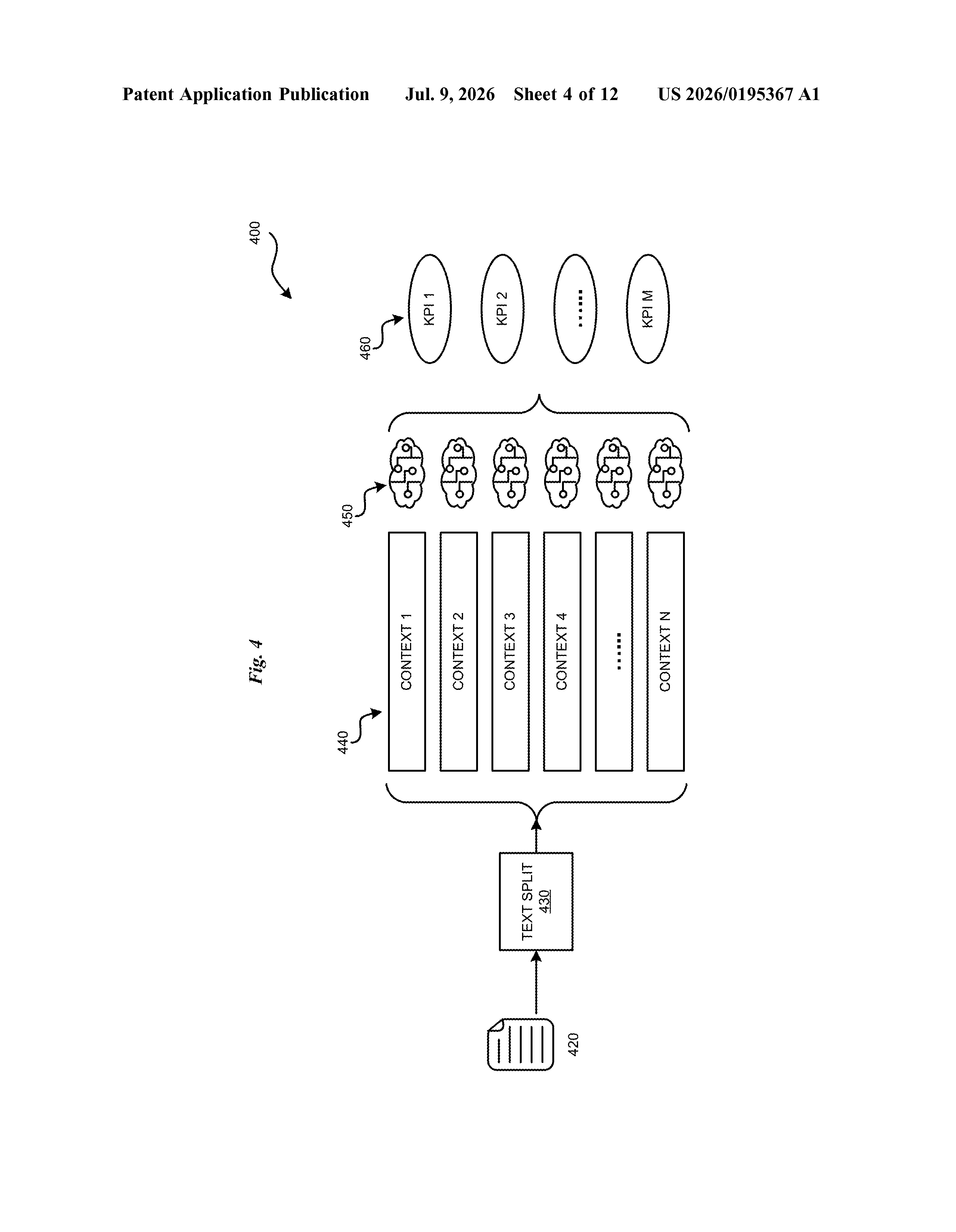
The patent describes a three-step pipeline powered by a machine learning model that uses embeddings (a technique where data attributes are converted into numerical representations so the model can compare and reason about them).
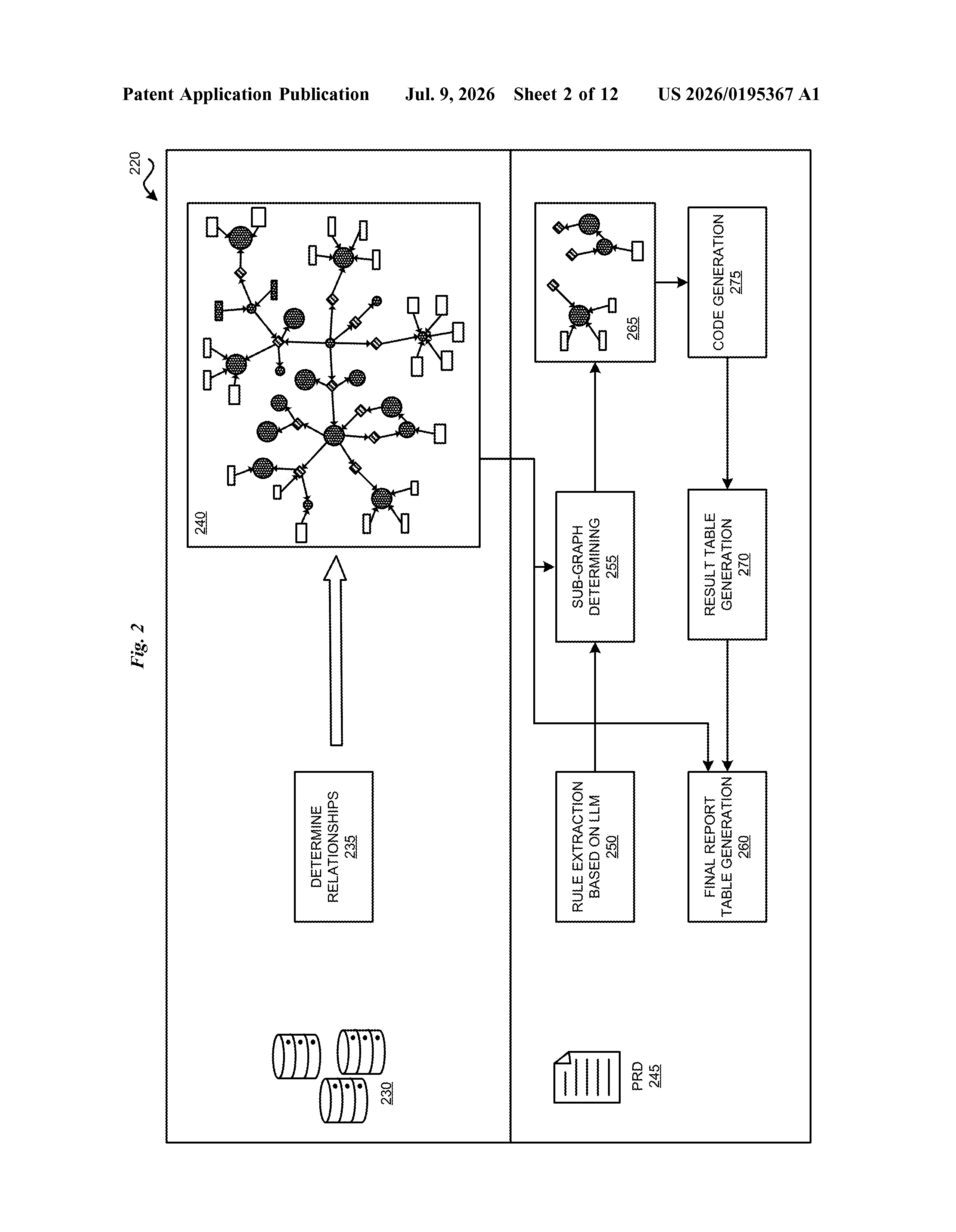
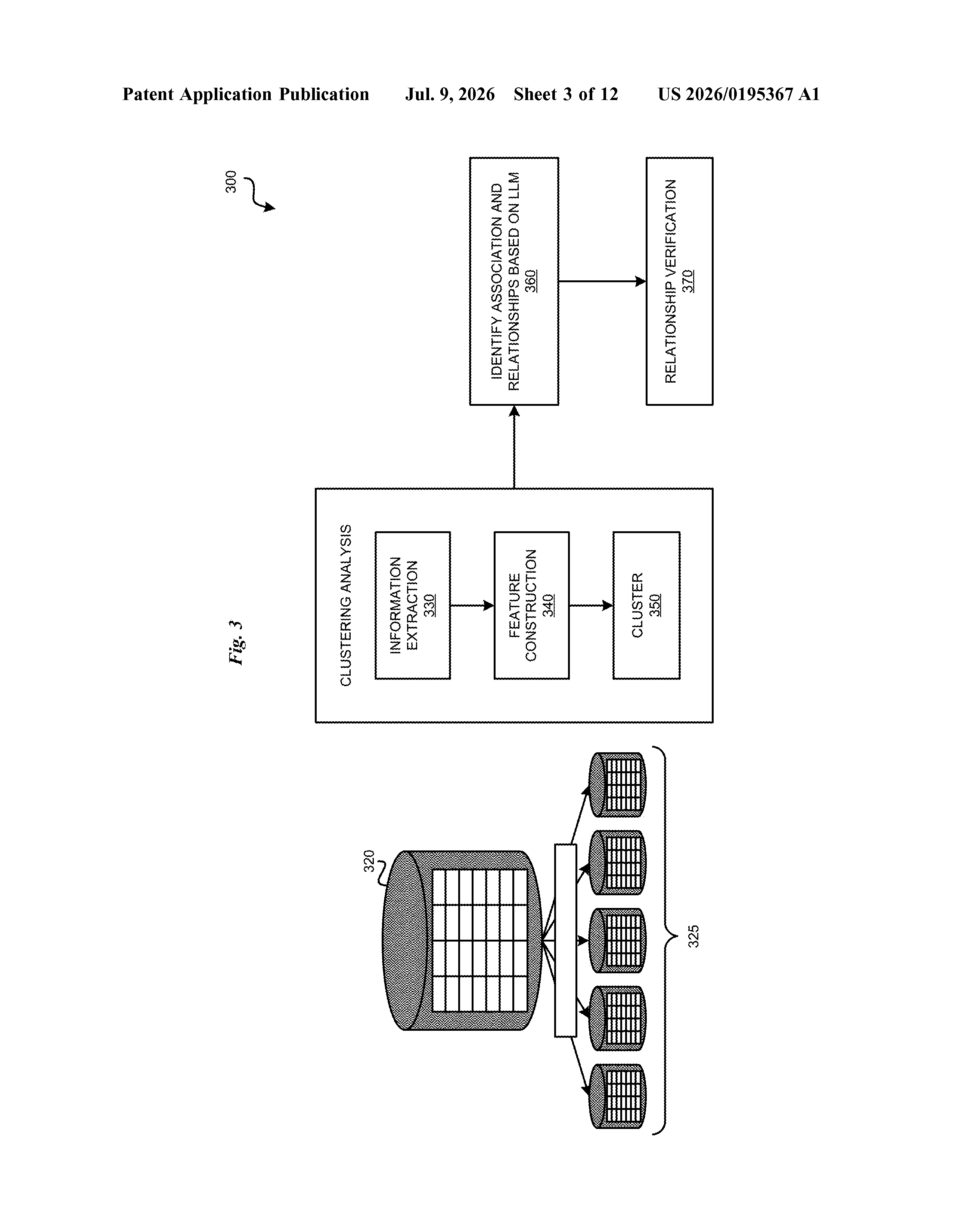
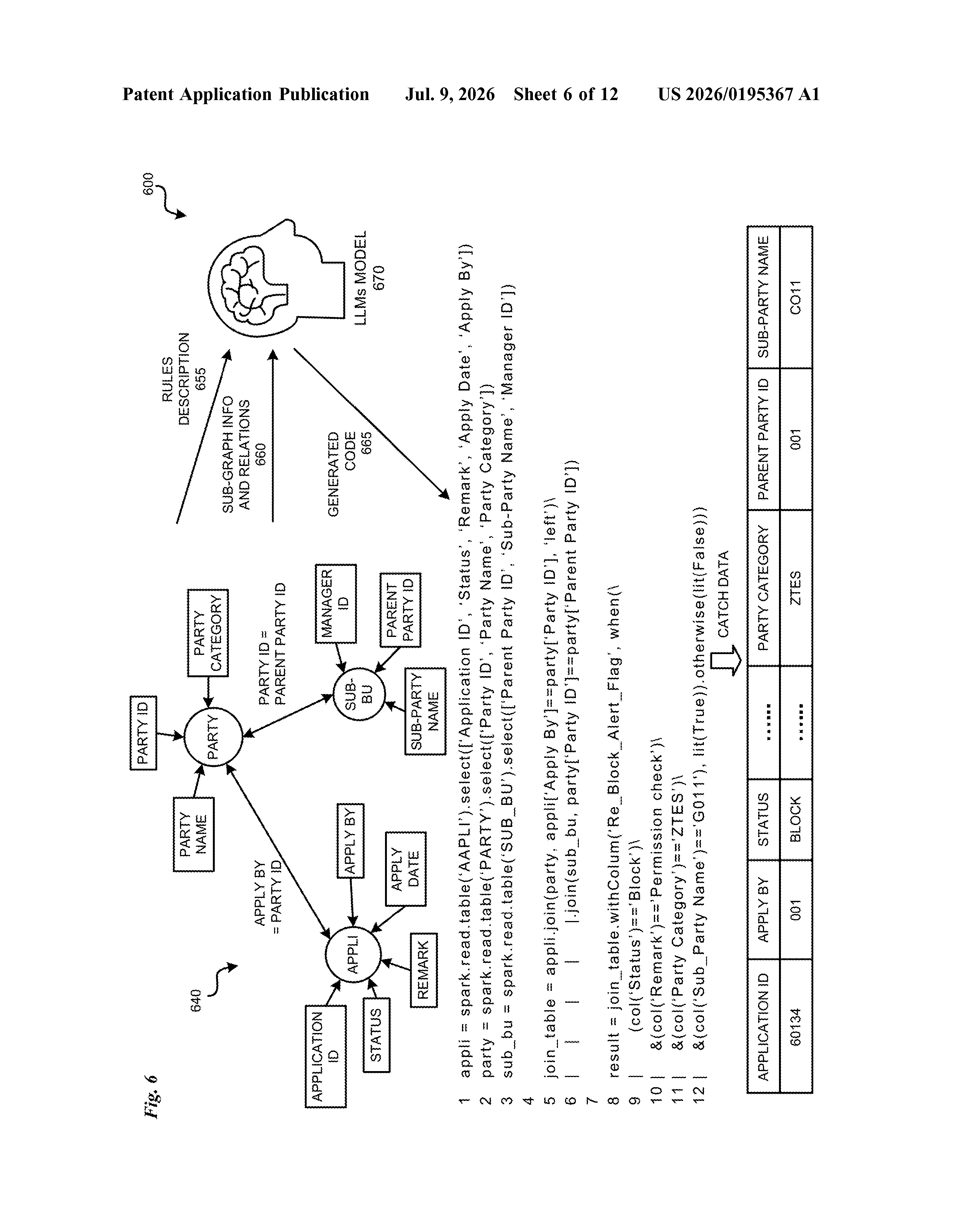
- Relationship discovery: The model examines the incoming dataset and identifies primary keys (the unique identifier for each record in a table) and foreign-key relationships (the links that connect one table to another). This is what normally requires a human to read documentation or interview the team that built the original system.
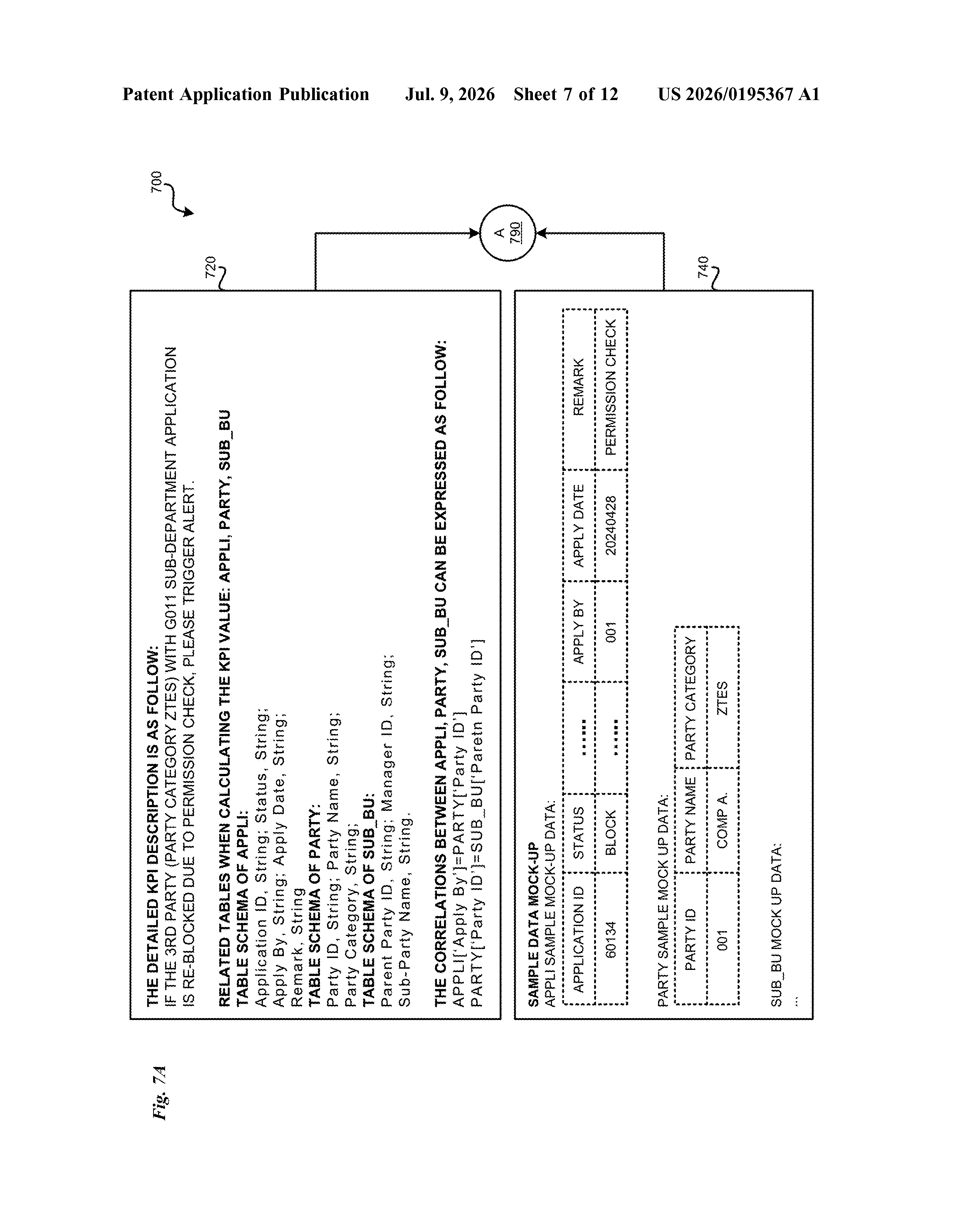
- Rule inference: Using those discovered relationships plus the raw data as input, the model identifies indicator metrics, meaning the business rules that define whether a result is valid or successful in context. Think of these as the conditions the data has to satisfy to be meaningful.
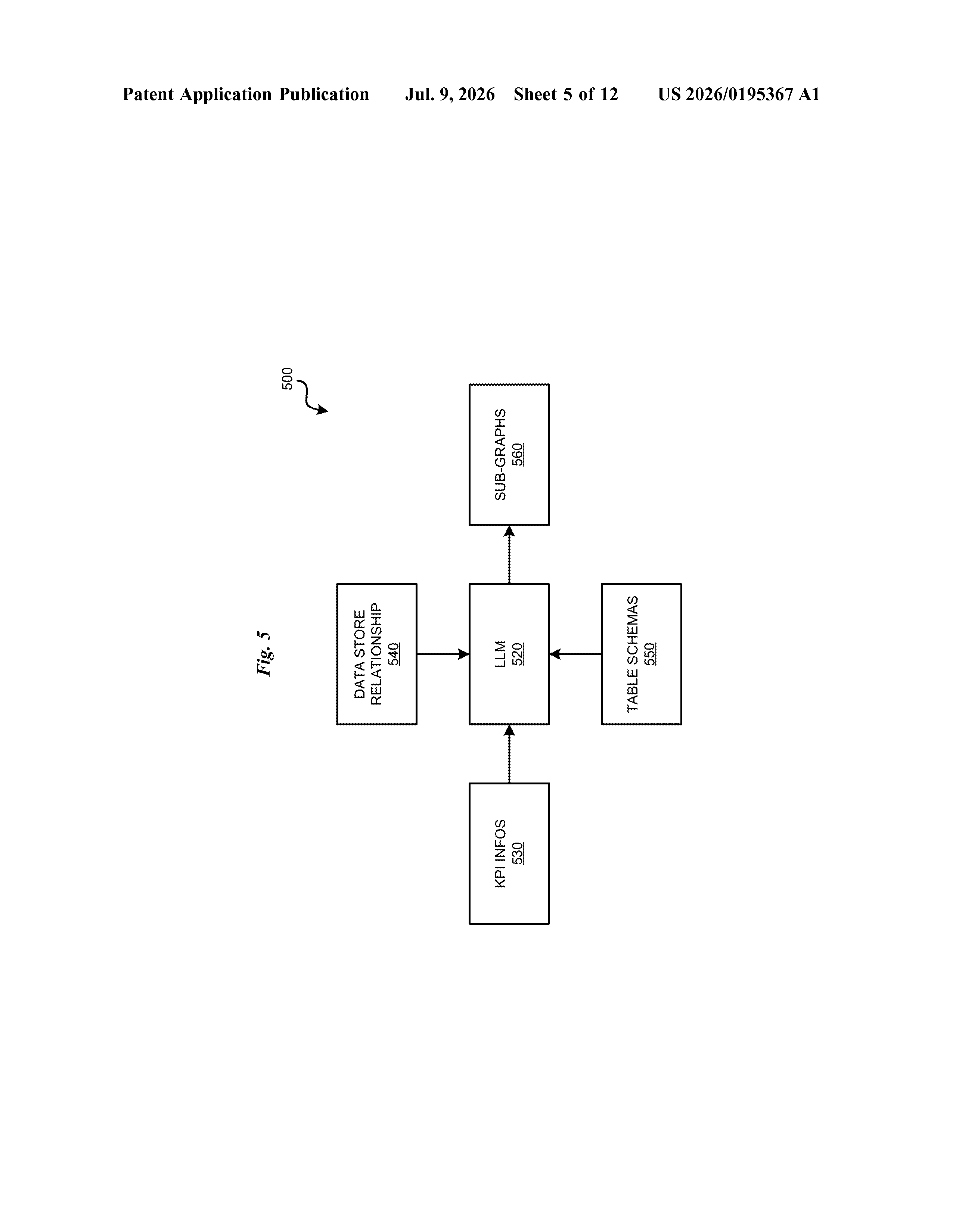
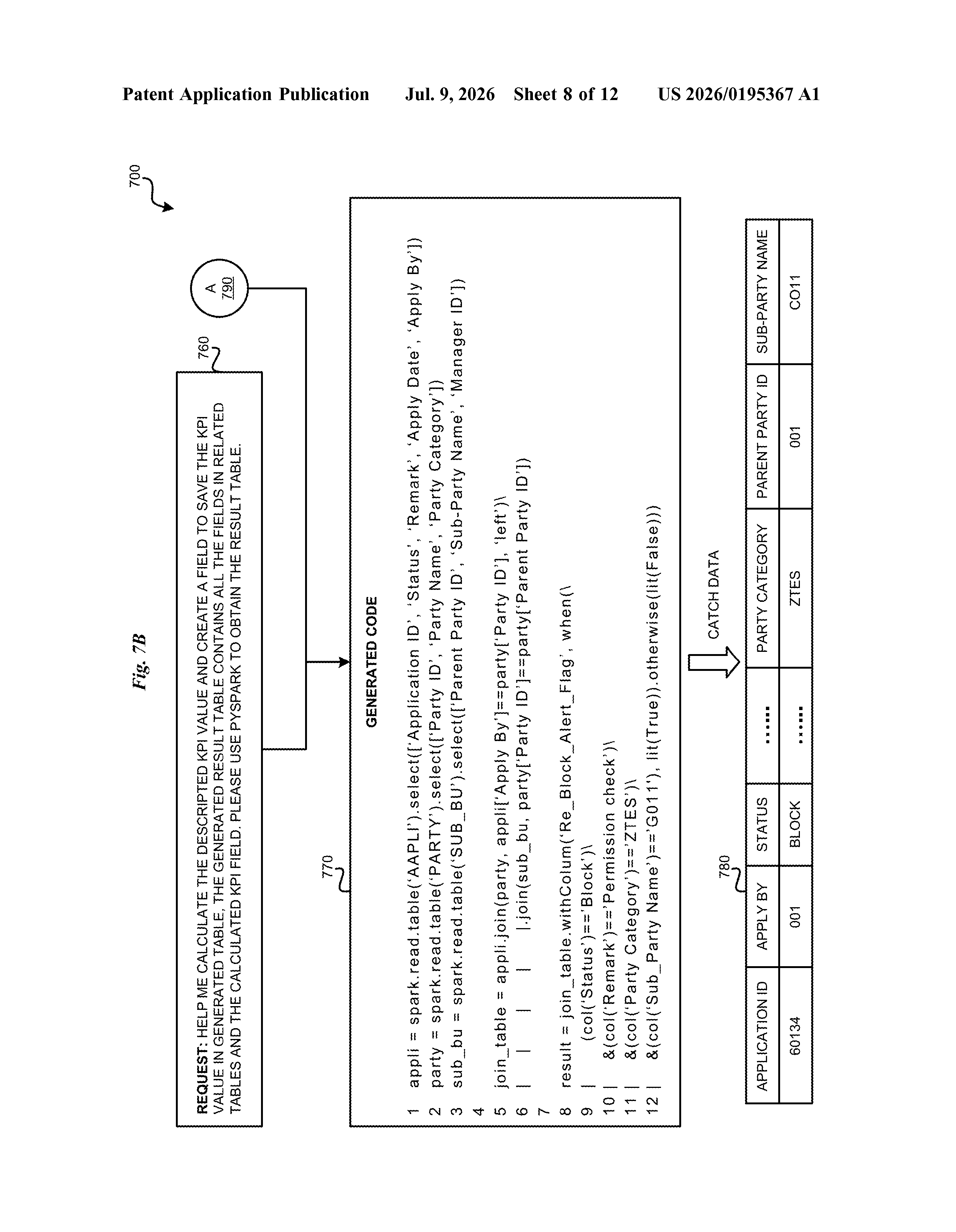
- Code generation: The model then constructs a prompt using the discovered keys and metrics, feeds it back into itself, and generates executable code. Running that code produces the final structured data model complete with documented rules.
The embedding-based approach lets the model generalize across different kinds of datasets rather than being hard-coded to one specific schema. It is designed to work on whatever data arrives.
What this means for enterprise data teams at IBM clients
For large enterprises running IBM's database and data integration products, the biggest bottleneck in any new data project is the initial modeling work. Skilled data architects are expensive and slow, and mistakes made at this stage ripple through every downstream report and application. An AI that can do a credible first pass automatically could cut days off project timelines and reduce the number of specialists needed on routine jobs.
The broader trend here is IBM pushing AI into the infrastructure layer of data management, not just the analytics layer. If this system works as described, it positions IBM's platforms to handle data onboarding as an automated service rather than a consulting engagement. That matters most for IBM's hybrid cloud and watsonx customers dealing with frequent data migrations.
This is a practical, unglamorous patent aimed squarely at a real pain point IBM's enterprise customers face constantly. Database modeling automation is not a new idea, but tying it to a code-generating AI that writes its own schema scripts is a meaningful step beyond older rule-based tools. Whether the system works reliably across messy, real-world datasets is the real question, and the patent says nothing about that.
Get our take in your Top Stories
Liked this breakdown? Add Patentlyze as a preferred source on Google, and our plain-English take shows up more often in your Top Stories the next time IBM patent news breaks.
There are more where this came from
We read every patent application Big Tech publishes and send you the ones worth knowing. Plain English, free, every week.
The drawings
12 drawing sheets from US 2026/0195367 A1 · click any drawing to enlarge
Want this weekly breakdown for a company we don't cover? Patentlyze Pro →