
Qualcomm Patents a Method That Blends Training Examples to Improve Image Generation
Qualcomm has filed a patent for a technique that mixes existing examples together before training an AI image generator, a small change to the standard recipe that can produce better results with fewer real-world samples.
How Qualcomm's blended-exemplar trick works in practice
Imagine you're teaching a child what a "cat" looks like by showing them photos. Now imagine, instead of showing individual photos one at a time, you showed them a photo that was a careful blend of several cats at once, capturing the average shape, color, and texture across all of them. Qualcomm's patent applies that same idea to AI training.
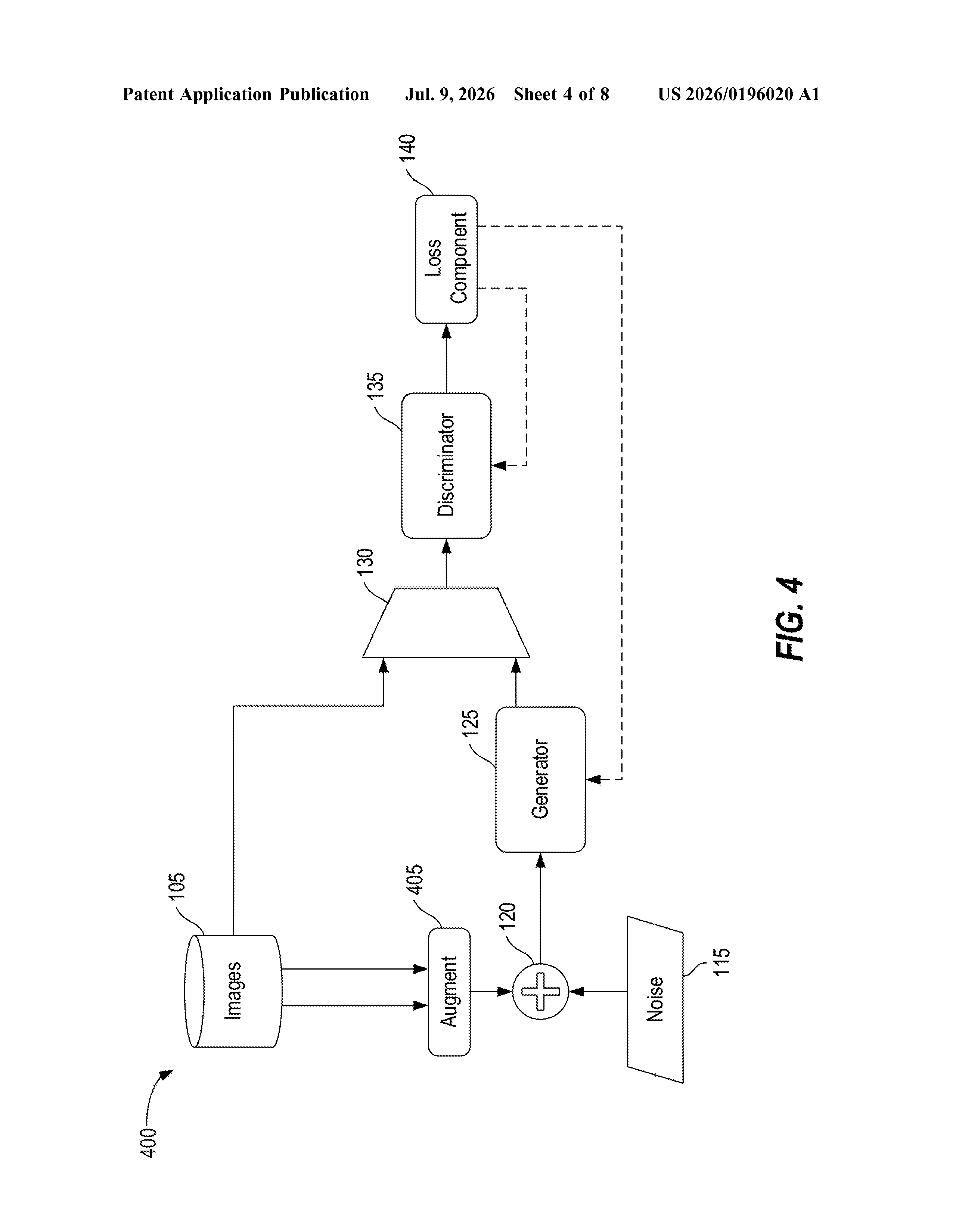
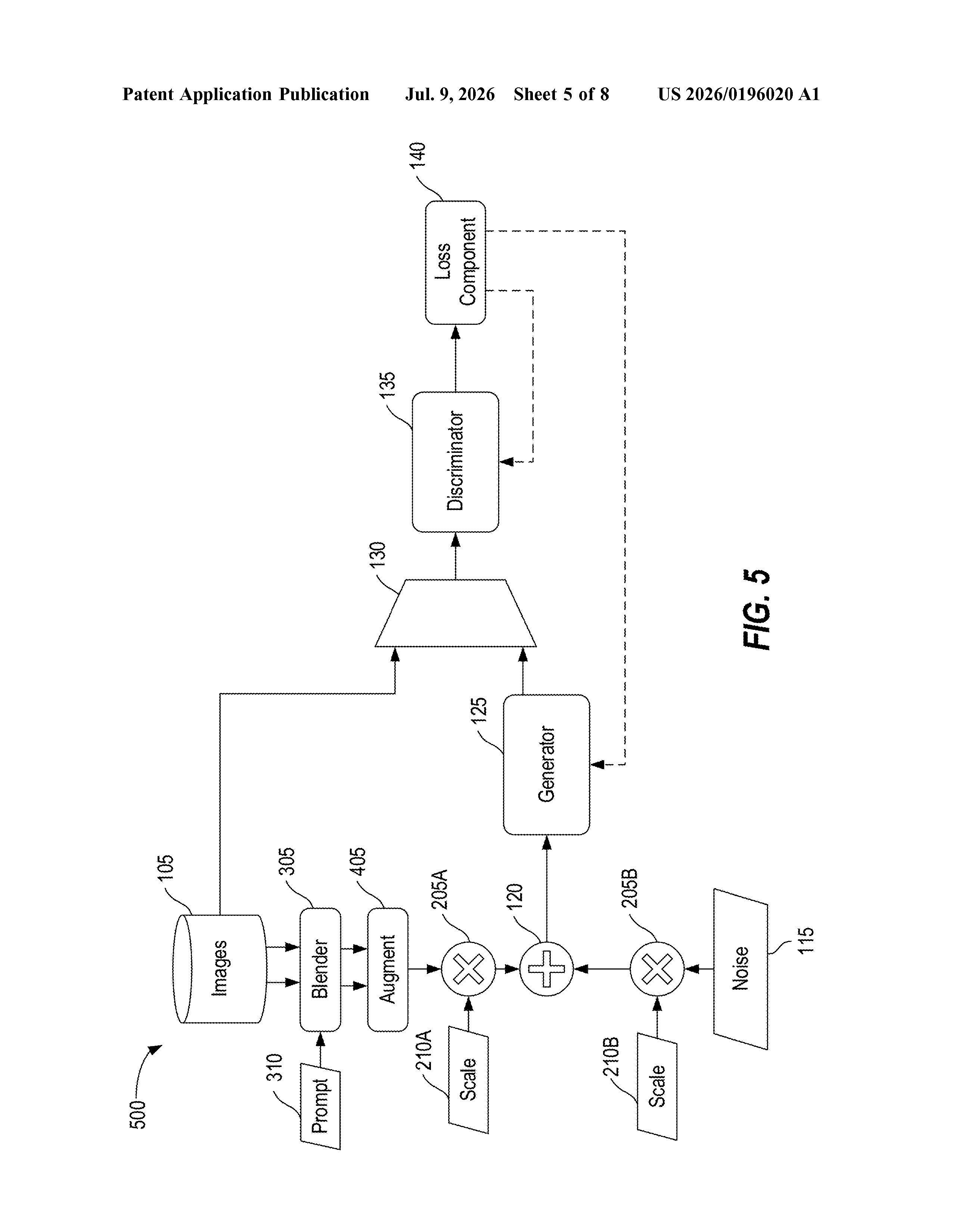
When an AI image generator learns to create pictures of a specific category (say, a particular person's face, or a product style), it usually needs a lot of examples. Qualcomm's approach first blends several examples together into one composite, then mixes that composite with random noise before handing it to the generator. The result is a richer starting point for learning.
The practical upside is that the AI can potentially do a better job capturing what makes a category distinctive, even when you don't have many training images to work from. That's especially useful in edge cases like personalized AI on your phone, where the system has only a handful of photos of you to learn from.
Inside the blend-then-noise generator pipeline
The patent describes a modified conditional generative adversarial network (cGAN, an AI system trained to generate outputs that belong to a specific category, like a face or an object class).
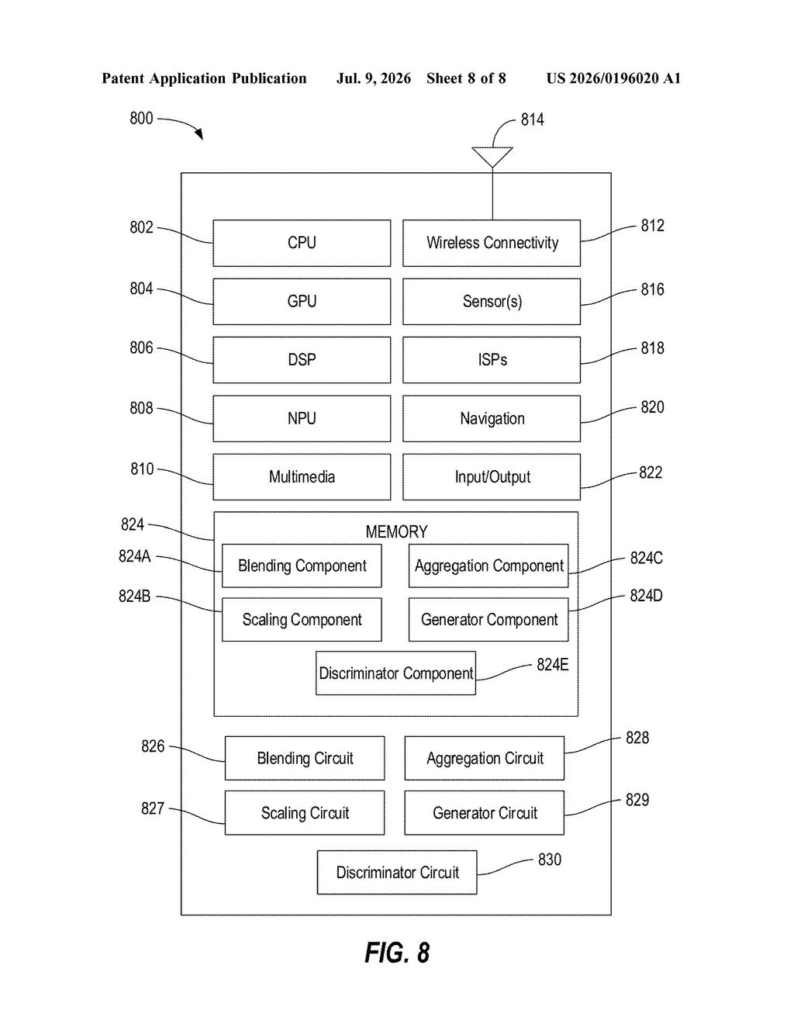
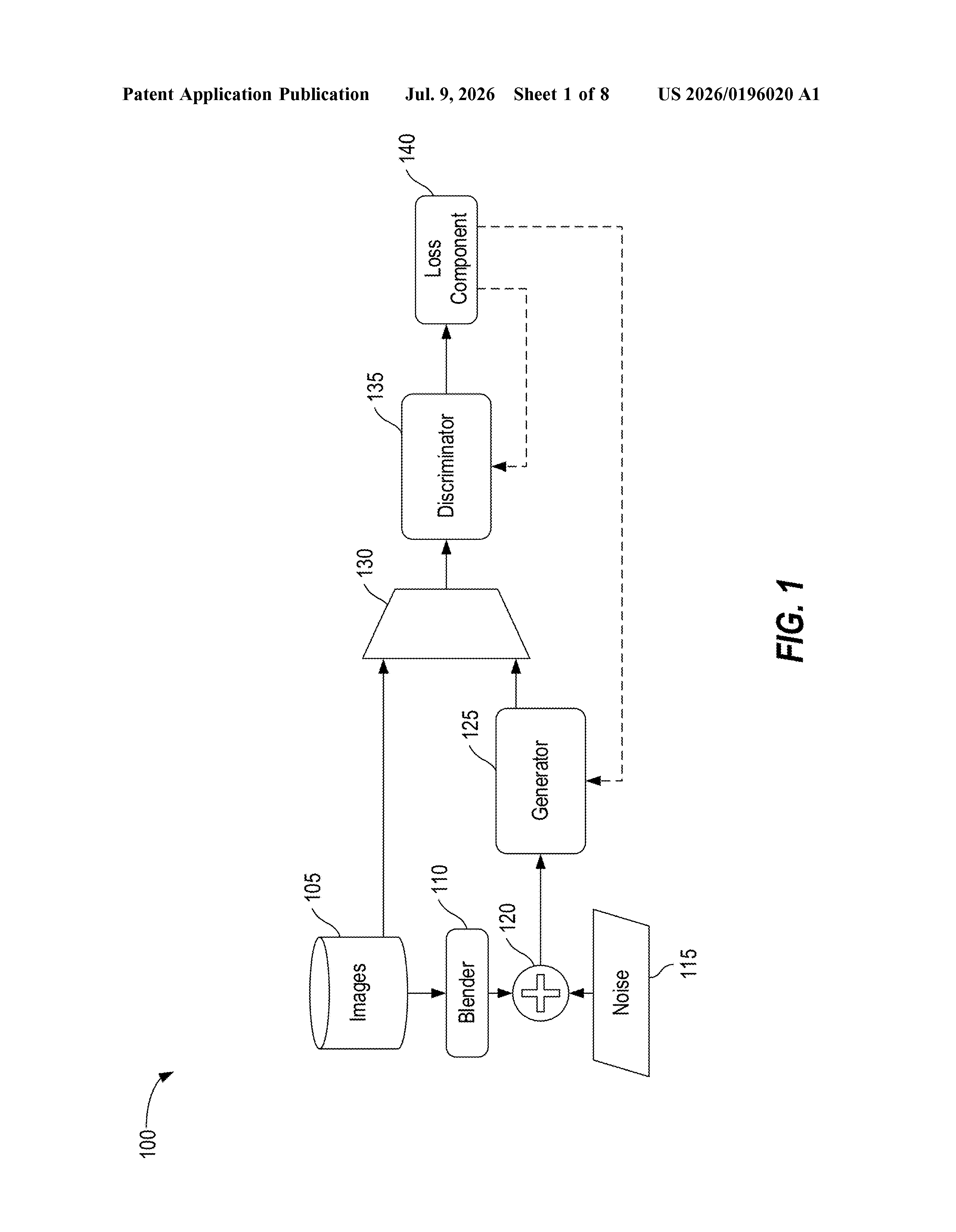
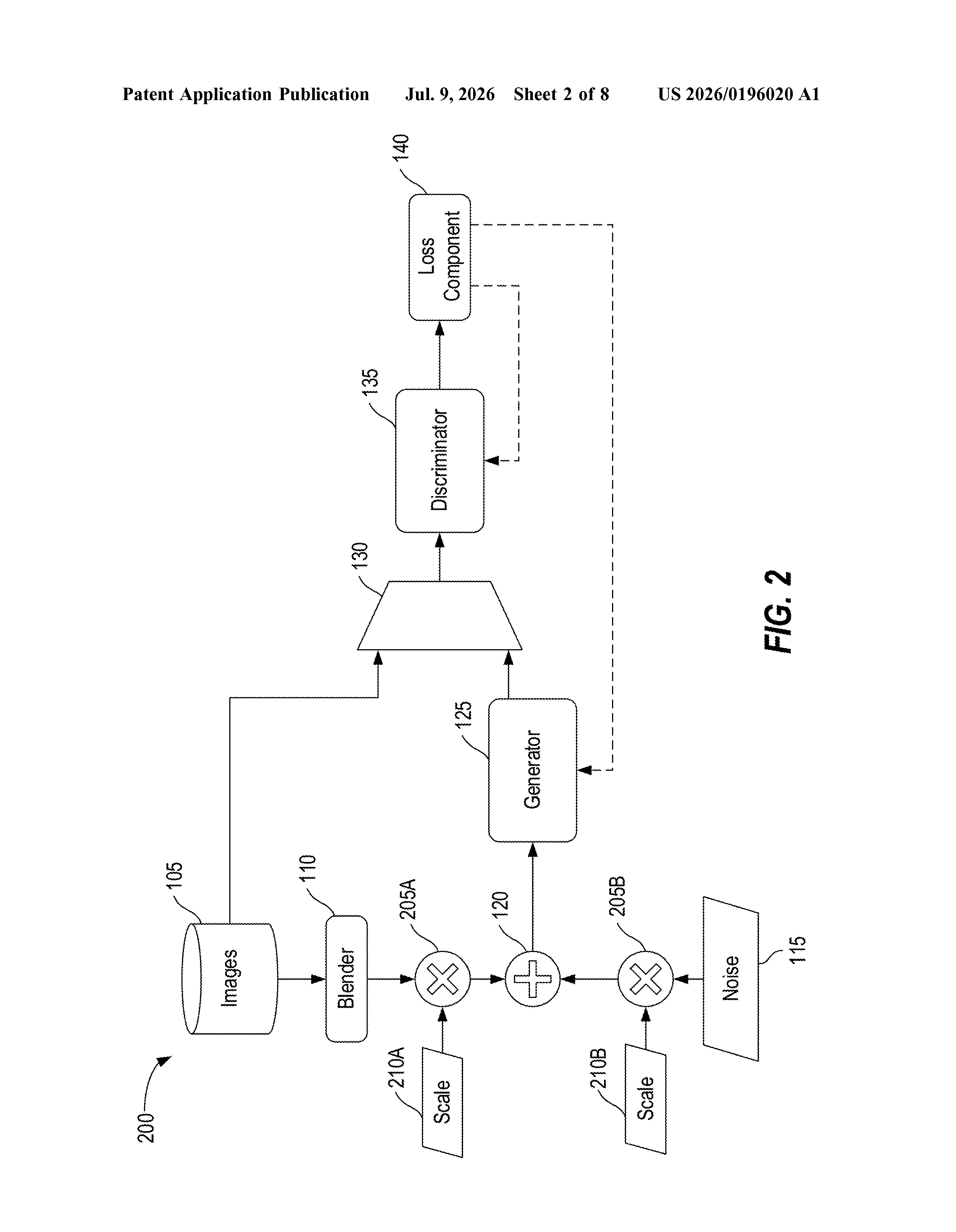
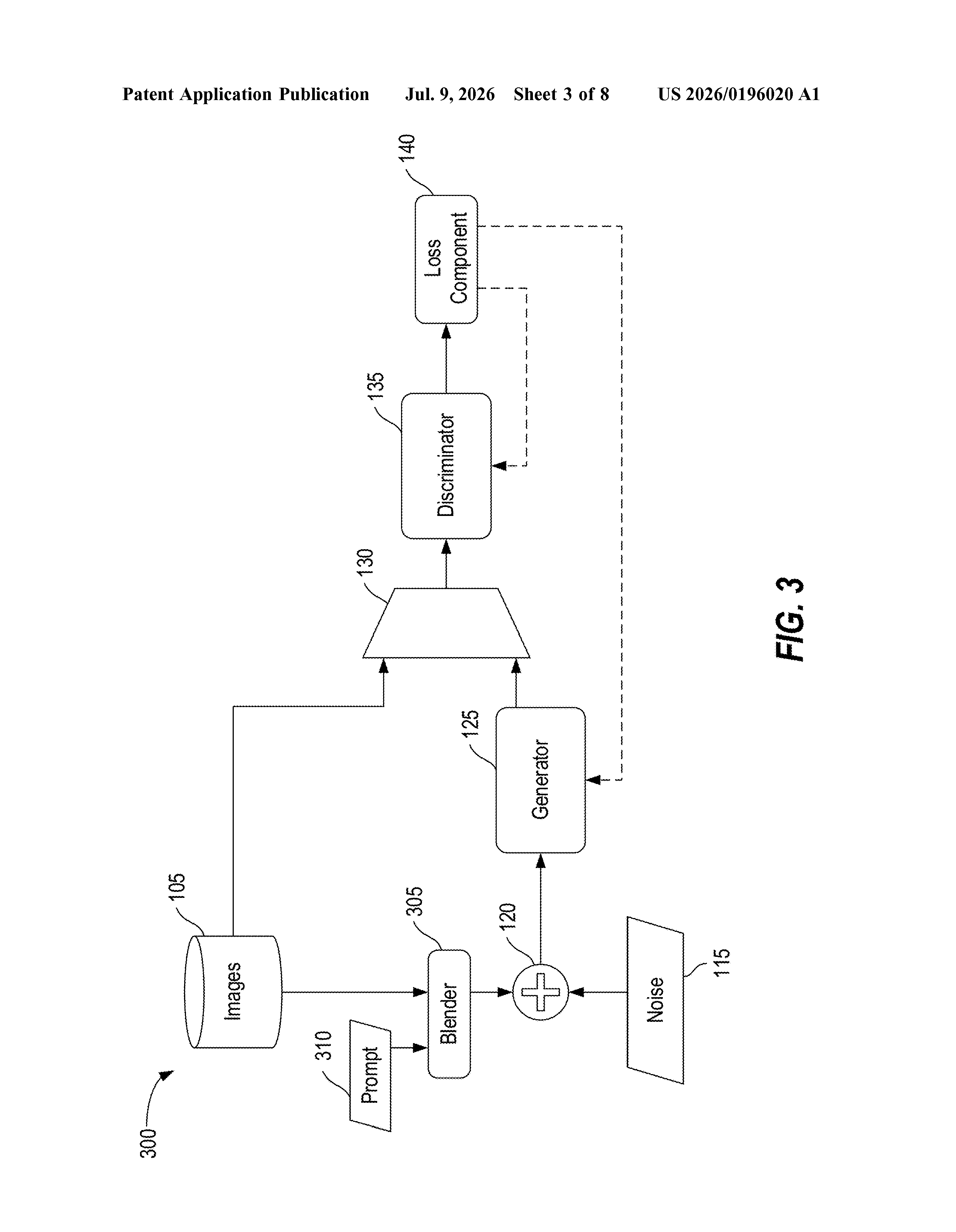
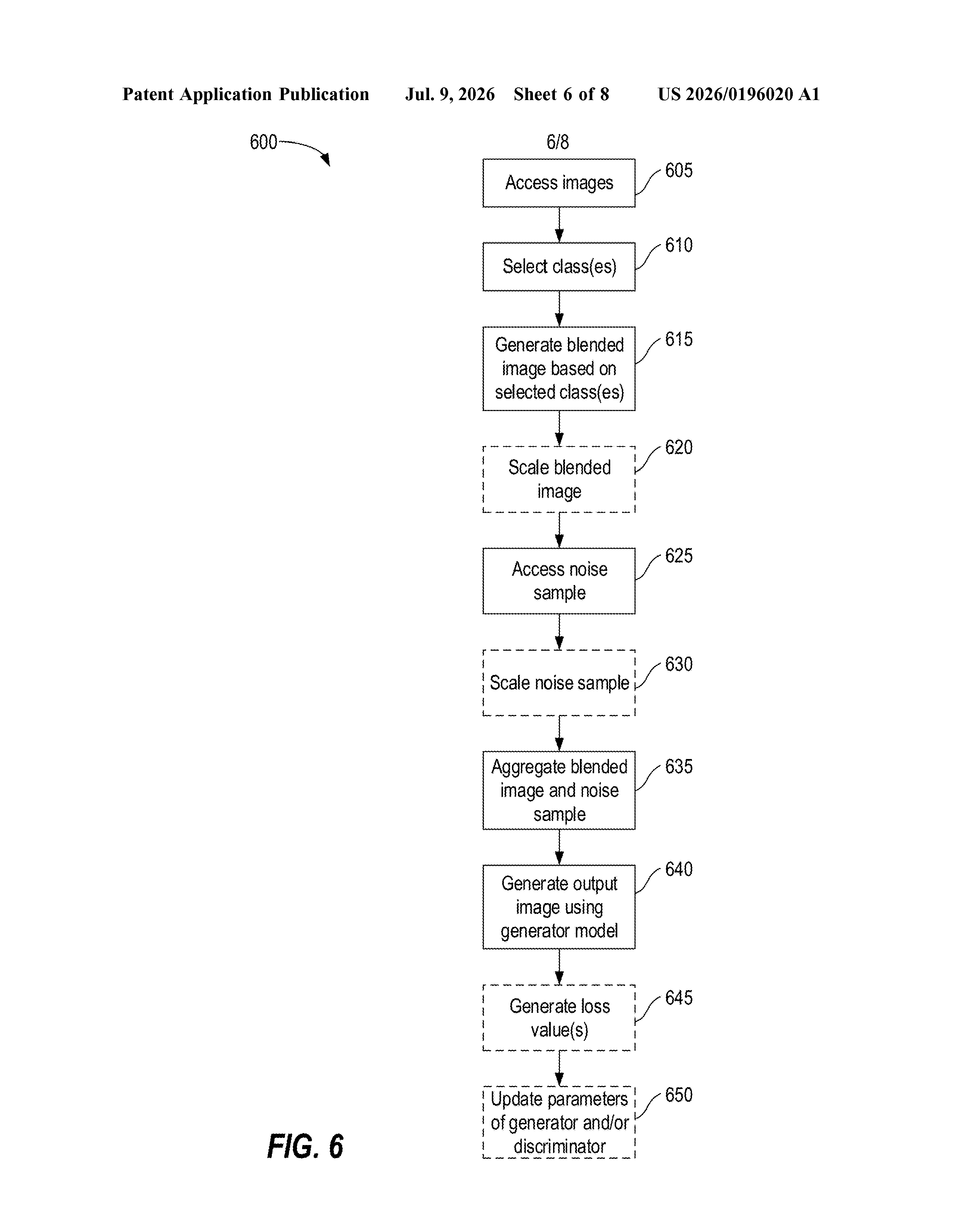
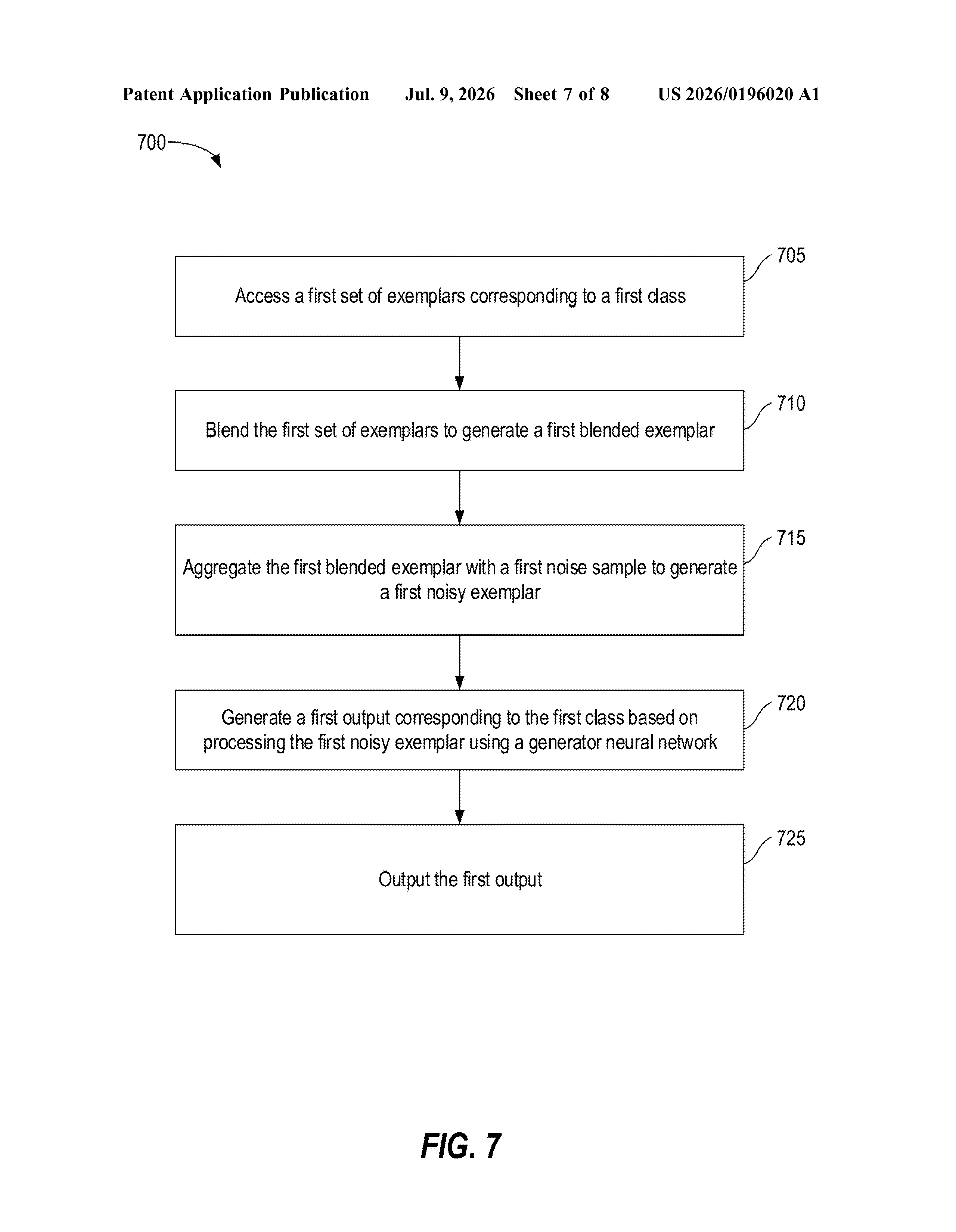
The key change from a standard cGAN is a preprocessing step called blending. Instead of picking one training example at a time, the system:
- Grabs a set of examples that all belong to the same class (e.g., several photos of the same person)
- Blends them together into a single composite example, averaging or interpolating across them to capture shared features
- Adds a random noise sample to that blended composite, creating what the patent calls a "noisy exemplar"
- Feeds the noisy exemplar into the generator network to produce an output image
The noise injection is the standard GAN trick that keeps outputs varied rather than producing the same image every time. The blending step is the novel addition: it gives the generator a more information-rich, class-representative starting point than a single raw example would.
The discriminator (the AI "critic" that judges whether the generator's output looks real) still plays its usual role, pushing the generator to improve. The patent does not specify a single blending formula, leaving room for weighted averages, learned interpolations, or other mixing strategies.
What this means for on-device AI generation
For Qualcomm, whose Snapdragon chips power a huge share of Android phones, the practical goal here is likely on-device generative AI. Running a full image generator on a phone is already demanding; getting it to produce good, personalized results from only a small number of user photos is harder still. A blending step that extracts more signal from fewer examples could close that gap without requiring a larger model or more data.
More broadly, few-shot generation (making AI work well with limited examples) is one of the harder problems in the field right now. If Qualcomm's blending approach genuinely improves results in that regime, it could show up in camera apps, avatar tools, or any personalization feature that relies on learning from a small personal photo library.
This is a focused, incremental improvement to a well-established AI training technique, not a wholesale reinvention. The blending step is conceptually simple, which is actually a point in its favor: simple ideas that work reliably are exactly what you want in a chip-level inference pipeline. Whether it delivers meaningful gains over existing data-augmentation methods is the real question, and the patent doesn't answer that.
Get our take in your Top Stories
Liked this breakdown? Add Patentlyze as a preferred source on Google, and our plain-English take shows up more often in your Top Stories the next time Qualcomm patent news breaks.
There are more where this came from
We read every patent application Big Tech publishes and send you the ones worth knowing. Plain English, free, every week.
The drawings
8 drawing sheets from US 2026/0196020 A1 · click any drawing to enlarge
Want this weekly breakdown for a company we don't cover? Patentlyze Pro →