
Google Files Patent to Create Detailed 3D Human Models From Photographs
Google is patenting a way to automatically extract fine physical details from images of real people and feed those details into a second AI model that can generate accurate 3D representations of them.
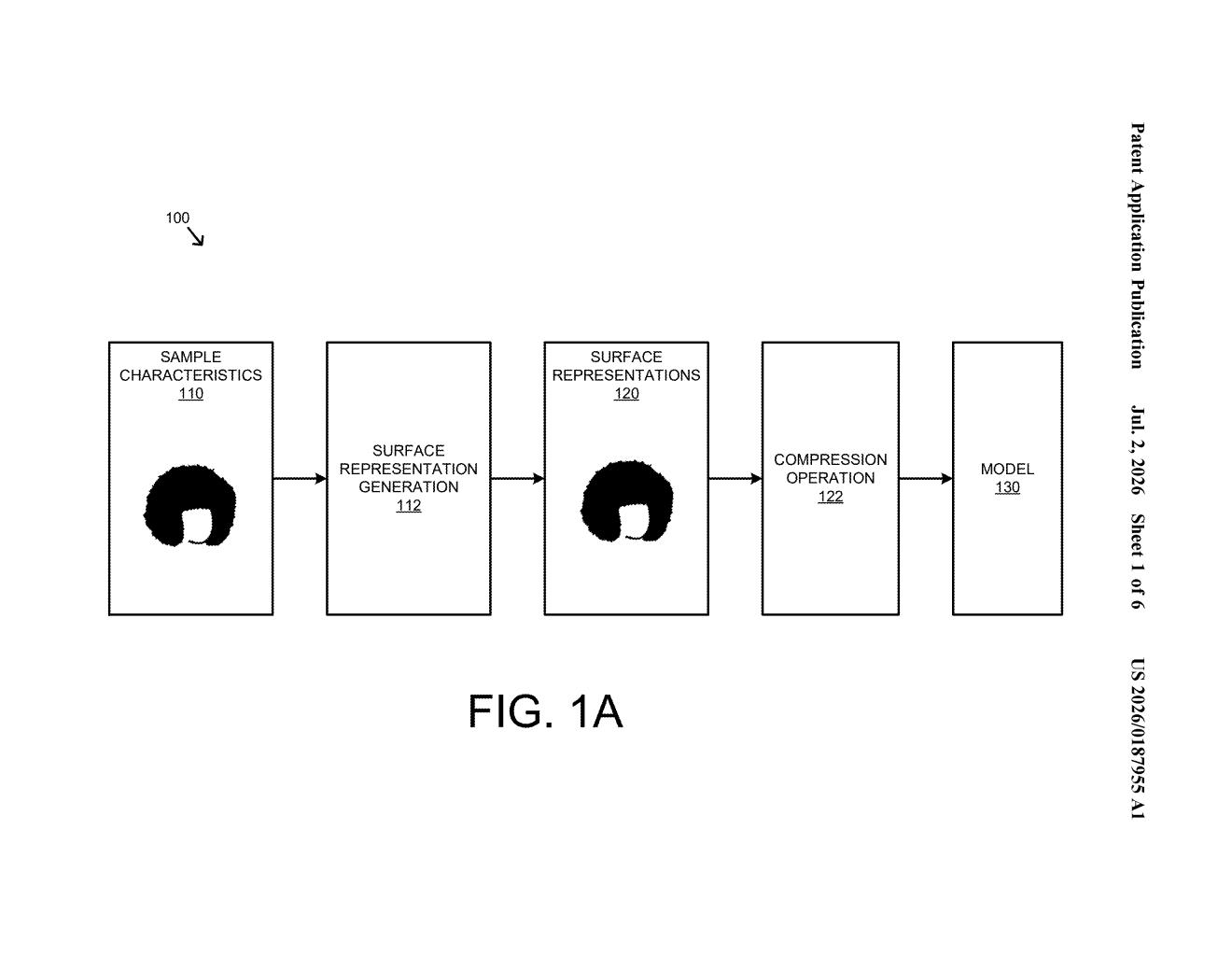
How Google's two-stage people-modeling system works
Imagine a company wants to let you virtually try on clothes, or a game wants to drop a realistic version of you into a scene. The hard part is capturing the small details that make a person look like that person: the shape of their shoulders, the way their face is proportioned, the subtle contours that a rough body scan would miss.
Google's patent describes a two-step approach. First, an AI model looks at a set of images of different people and figures out their physical characteristics. Then a second model uses those characteristics, along with the same images, to build a much more accurate 3D representation.
Think of it like a sculptor who first takes careful measurements before picking up any clay. The first pass gathers the data; the second pass uses it to get the details right. The result is a 3D model that reflects fine features rather than a generic body shape.
How the two models hand off physical traits
The patent describes a pipeline with two distinct AI models working in sequence.
Model one takes a set of features (things visible or measurable in images) and maps them to physical characteristics for a group of people. Think of this as a feature extractor: it learns the relationship between what a camera sees and what a person's body actually looks like in three dimensions.
Model two then takes the physical characteristics that model one produced, combines them with the original images, and generates a refined 3D representation. By conditioning (feeding inputs into) the second model on both the raw images and the extracted physical traits, the system can capture details that neither source alone would provide.
The key insight is the handoff: rather than trying to do everything in one pass, the system separates "measuring" from "building." This lets each model specialize, which generally produces better fine-detail results than a single end-to-end model trying to juggle both tasks at once.
What this means for avatars and virtual try-ons
Accurate 3D human models are a prerequisite for a wide range of products: virtual try-on in e-commerce, realistic avatars in video calls and games, fitness apps that track body shape over time, and augmented reality applications that need to place clothing or accessories on a real person's silhouette. The bottleneck has always been capturing fine features without expensive scanning hardware.
If this approach works at scale from ordinary photos, it could lower the barrier for generating personalized 3D representations significantly. Google has obvious deployment paths through Google Shopping, YouTube, and its broader AR and Maps platforms, though the patent itself does not name any specific product.
This is a solid technical filing in a genuinely competitive space. Apple, Meta, and several startups are all chasing accurate AI-generated human models, and a two-stage approach that separates feature extraction from model generation is a reasonable architectural bet. The abstract is unusually sparse, so the real novelty lives in the details not publicly visible yet.
Get our take in your Top Stories
Liked this breakdown? Add Patentlyze as a preferred source on Google, and our plain-English take shows up more often in your Top Stories the next time Google patent news breaks.
There are more where this came from
We read every patent application Big Tech publishes and send you the ones worth knowing. Plain English, free, every week.
Want this weekly breakdown for a company we don't cover? Patentlyze Pro →