
Sony Files Patent for a Device That Decides If You Need Medical Treatment
Sony is stepping into medical decision-making territory with a patent for a device that can assess a patient's condition and automatically determine whether they need treatment — no doctor required at that first step.
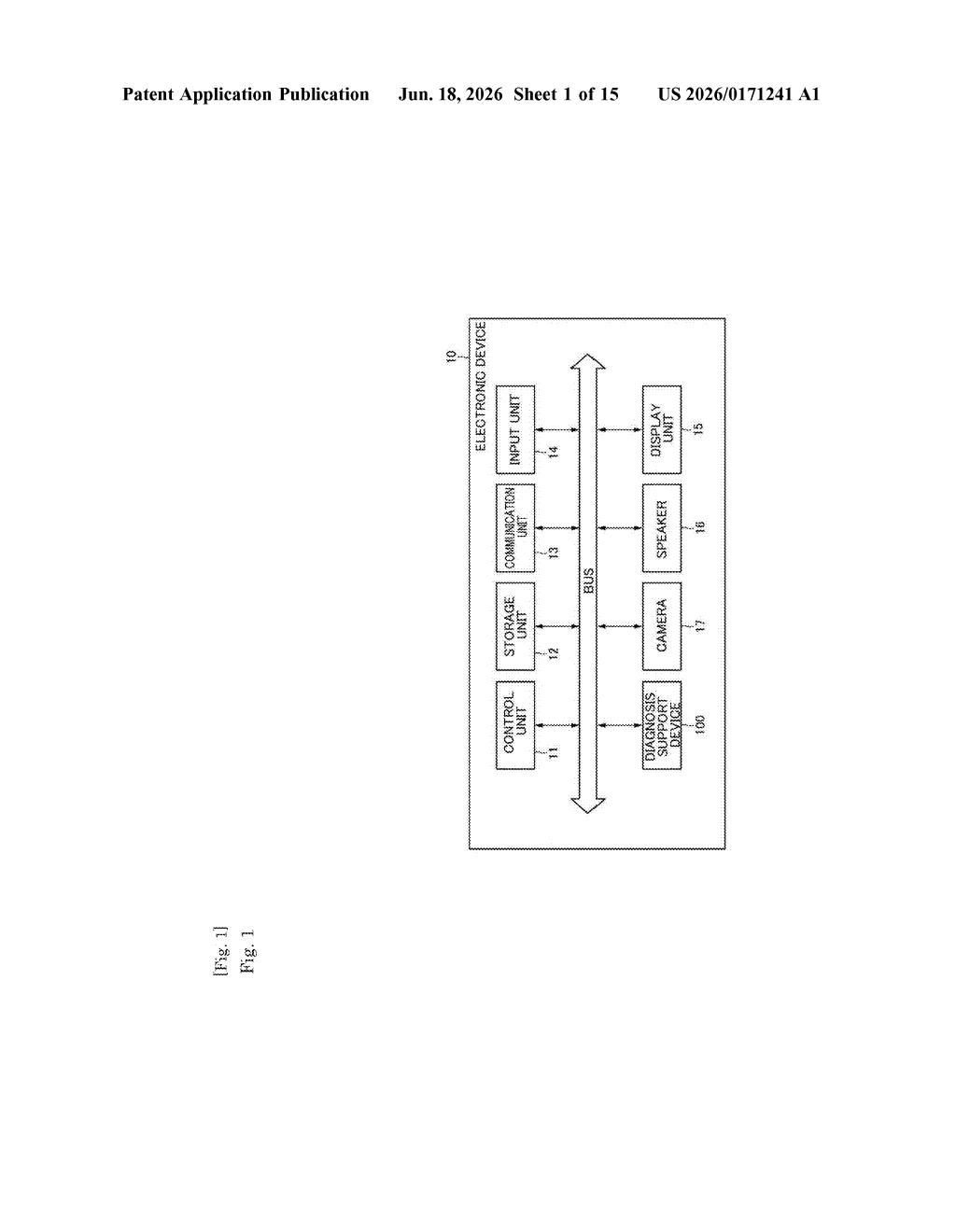
What Sony's diagnosis support device actually does
Imagine going to a clinic and, before you ever see a physician, a system has already looked at your condition and flagged whether you actually need treatment or can go home. That's the basic idea behind this Sony patent.
The device has two jobs: first, figure out the state of whoever is being examined — their symptoms, measurements, or some other indicator of health. Second, use that information to decide whether medical treatment is necessary.
That's genuinely the full scope of what the patent describes. It's written at an extremely high level, with almost no technical detail about how those two functions actually work. Think of it as Sony staking out a broad claim in the automated medical screening space — the specifics are left almost entirely to the imagination.
How the device evaluates a patient's condition
The patent describes a diagnosis support device built around two core components:
- State determination unit — assesses the condition of whoever is being examined (the "target of diagnosis")
- Treatment necessity determination unit — takes that assessment and decides whether diagnostic treatment is required
Beyond those two components, the patent provides almost no additional detail. There is no description of what kind of patient data is collected (imaging, vitals, questionnaire responses), no explanation of the algorithm or model used to make decisions, and no indication of what medical contexts this is designed for — general practice, emergency triage, chronic disease monitoring, or something else entirely.
The abstract and the first independent claim are essentially identical, which is a strong signal that this filing is intentionally broad — Sony is planting a flag rather than describing a fully realized system. The breadth of the claim language ("a target of diagnosis," "diagnostic treatment") could theoretically cover a wide range of medical applications.
What this means for automated medical screening
Automated triage — systems that help determine who needs care and how urgently — is an area of genuine interest in healthcare technology. If Sony is building something real in this space, it could apply to anything from hospital check-in kiosks to wearable health monitors that alert you when something is wrong. That would be a meaningful product.
The problem is this patent tells us almost nothing about what Sony is actually building. The claim is so broad and so bare that it's hard to draw any meaningful conclusions about strategy or technology direction. It could be a placeholder, a defensive filing, or the very early scaffolding for something more specific that hasn't been publicly described yet.
This is one of the thinnest patent filings you'll encounter — two sentences of abstract, one claim, and no technical substance. It's impossible to say whether Sony has a real healthcare product in development or is simply marking territory. File this one under 'watch and wait' rather than anything worth getting excited about now.
There are more where this came from
We read every patent application Big Tech publishes and send you the ones worth knowing. Plain English, free, every week.
Want this weekly breakdown for a company we don't cover? Patentlyze Pro →