
IBM
IBM · AI / ML · Filed Jan 8, 2025 · USPTO published Jul 9, 2026 · Jul 9 release
IBM Patents AI That Writes Complex Data-Retrieval Instructions for Users Automatically
Writing a database query is a skill most people never learn, but IBM is patenting a way to let an AI do it for you by first building a map of everything the database knows.
- Publication number
- US 2026/0195328 A1(US20260195328A1)
- Applicant
- INTERNATIONAL BUSINESS MACHINES CORPORATION
- Filed · Published
- Jan 8, 2025 · Jul 9, 2026
- Inventors
- Yong Wang, Rui Han, Yuan Yuan Ding, Qi Liang Zhou, Deng Xin Luo
- Status when we published
- Examiner raised objections; the company can respond
- Document
- 20 claims
- US classification
- 707/715
- Examiner
- NGUYEN, CINDY (Art Unit 2156)
What IBM's AI-to-database query system actually does
Imagine asking your company's data system, in plain English, 'Which customers spent the most last quarter?' and getting the right answer without anyone needing to write a line of code. Today, turning that question into the precise instructions a database understands, called a query, requires a trained analyst. IBM wants to automate that entire step.
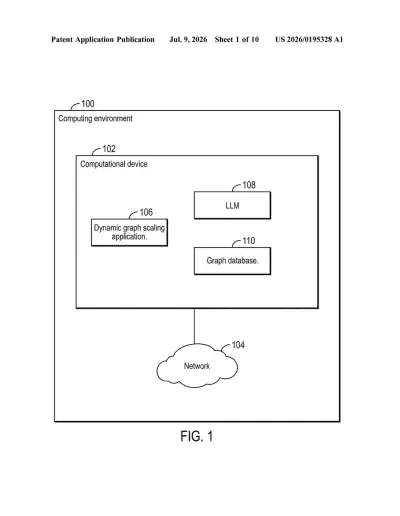
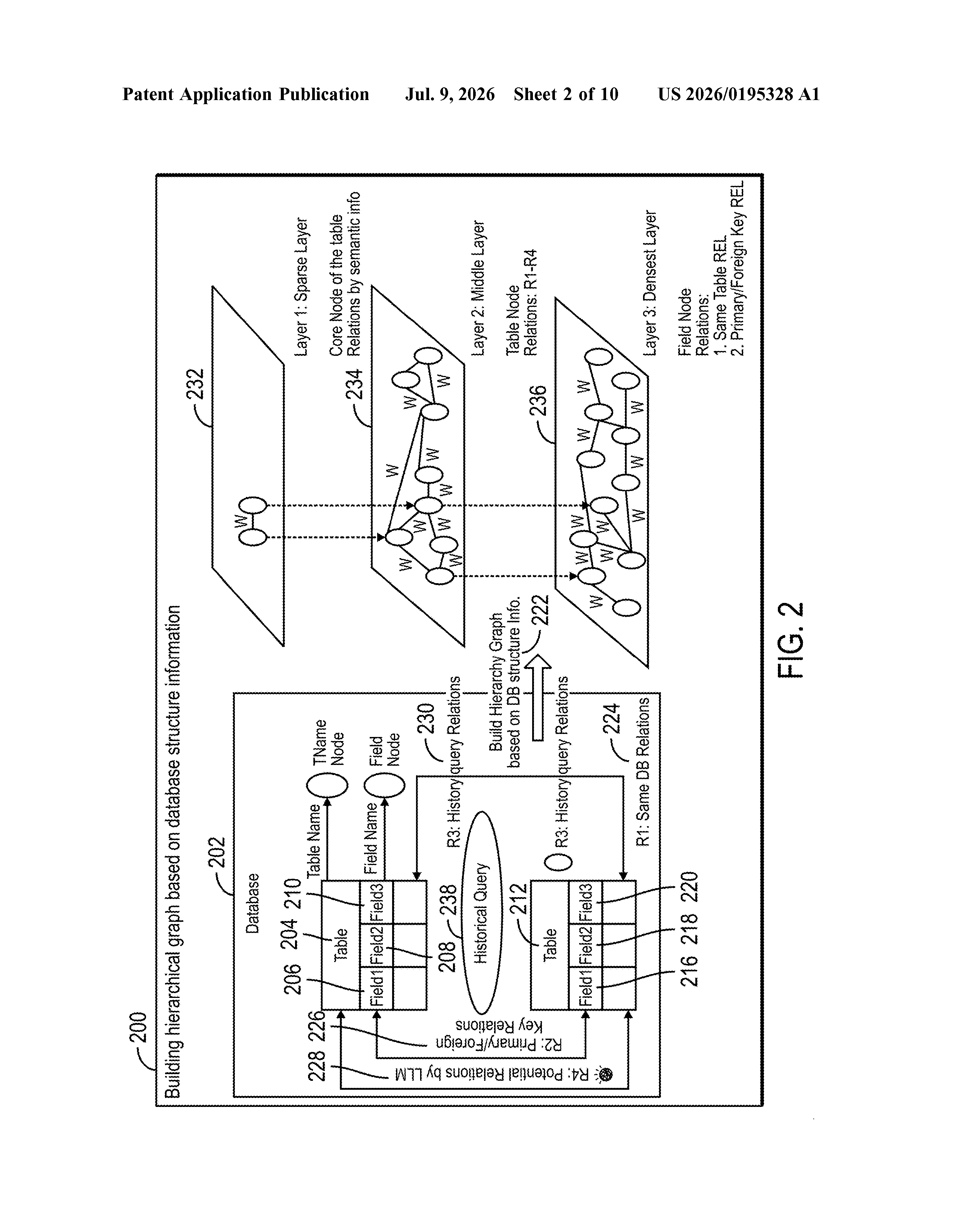
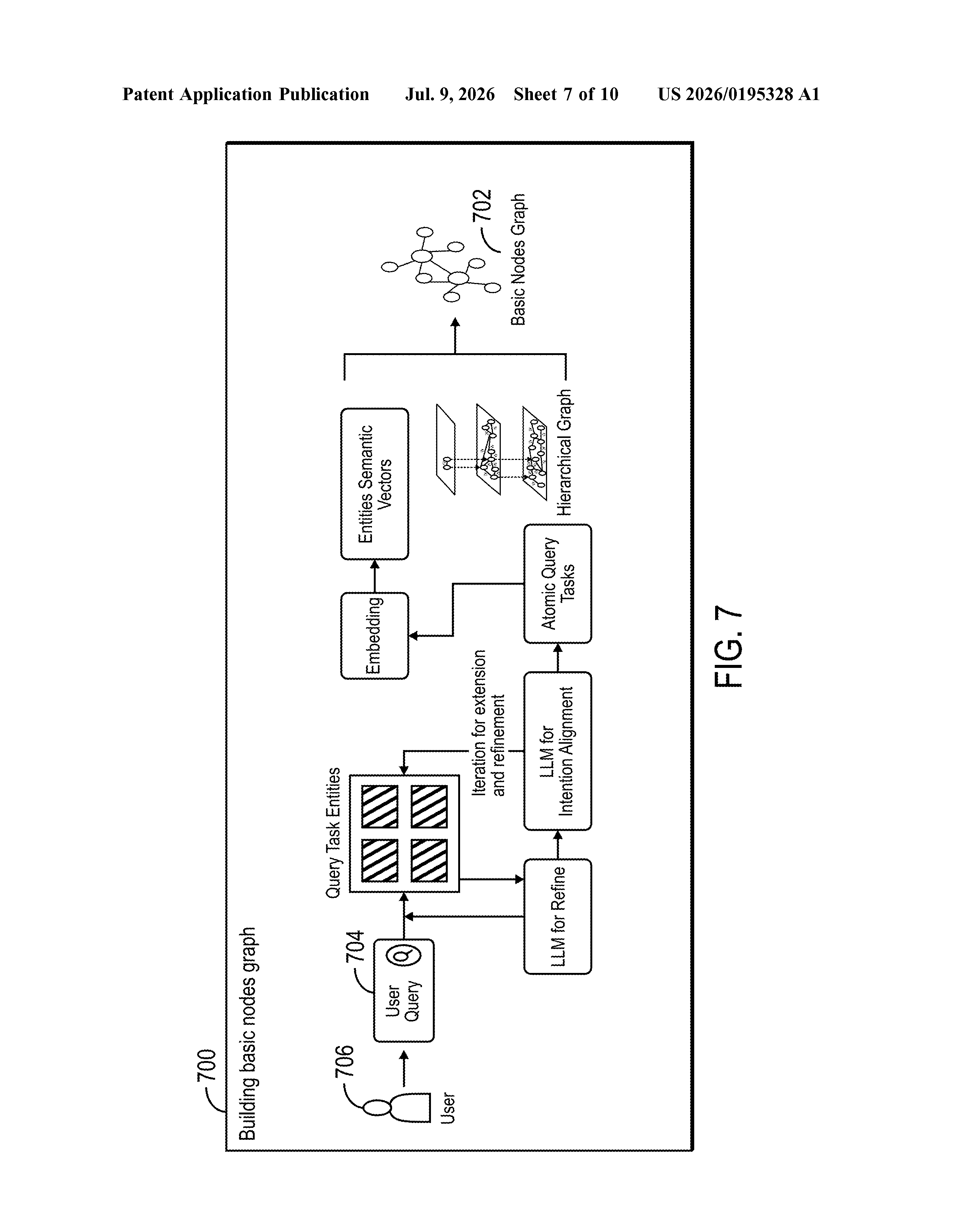
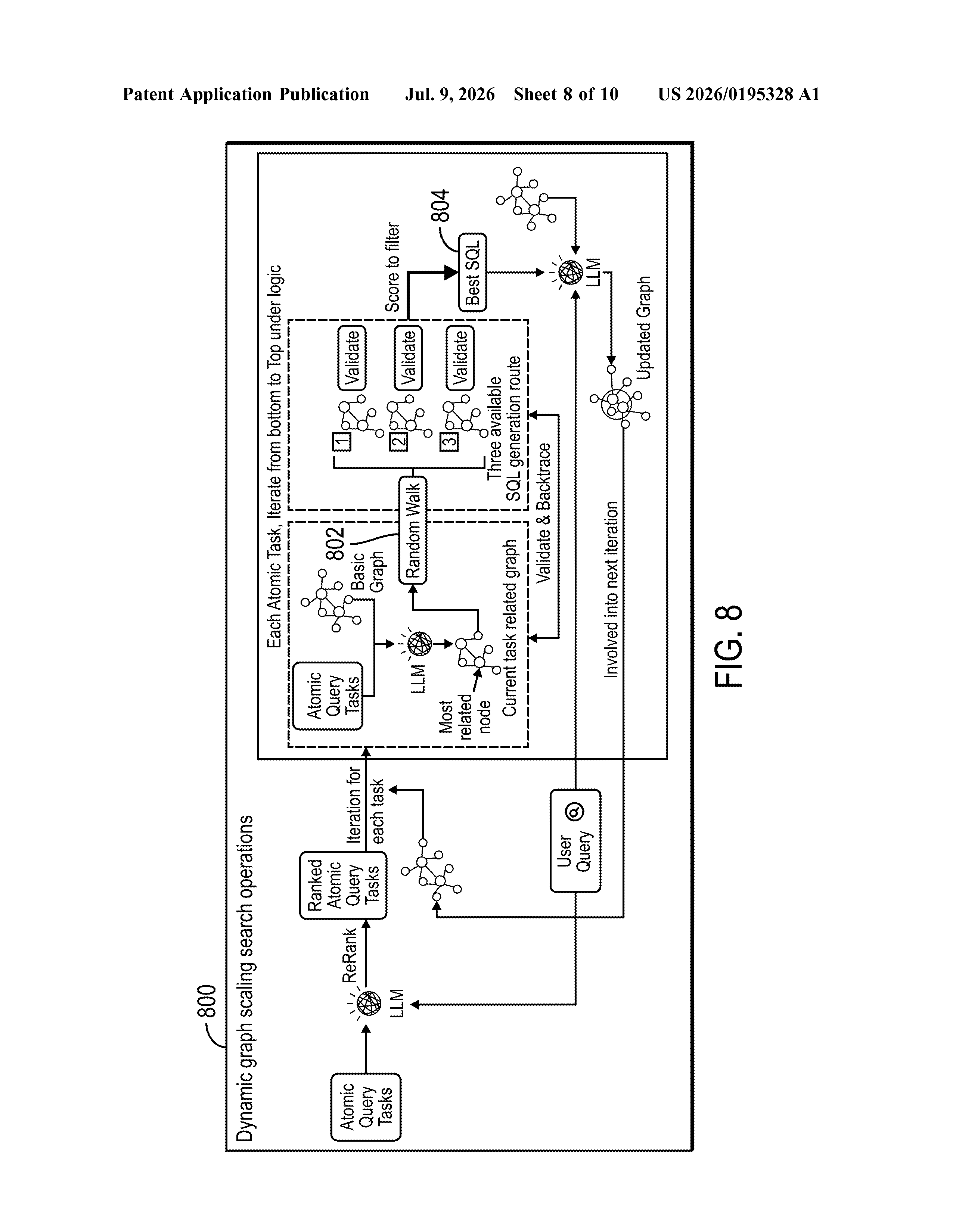
The idea in this patent is to first have an AI read through a database and build a kind of relationship map, a knowledge graph, that shows how all the data connects. When you ask a question, the system walks that map to figure out exactly which pieces of data are relevant, then writes the database query on your behalf.
This is essentially a translation layer between human language and database language, with a structured map in the middle to keep the AI from guessing wrong.
How the knowledge graph routes and builds SQL queries
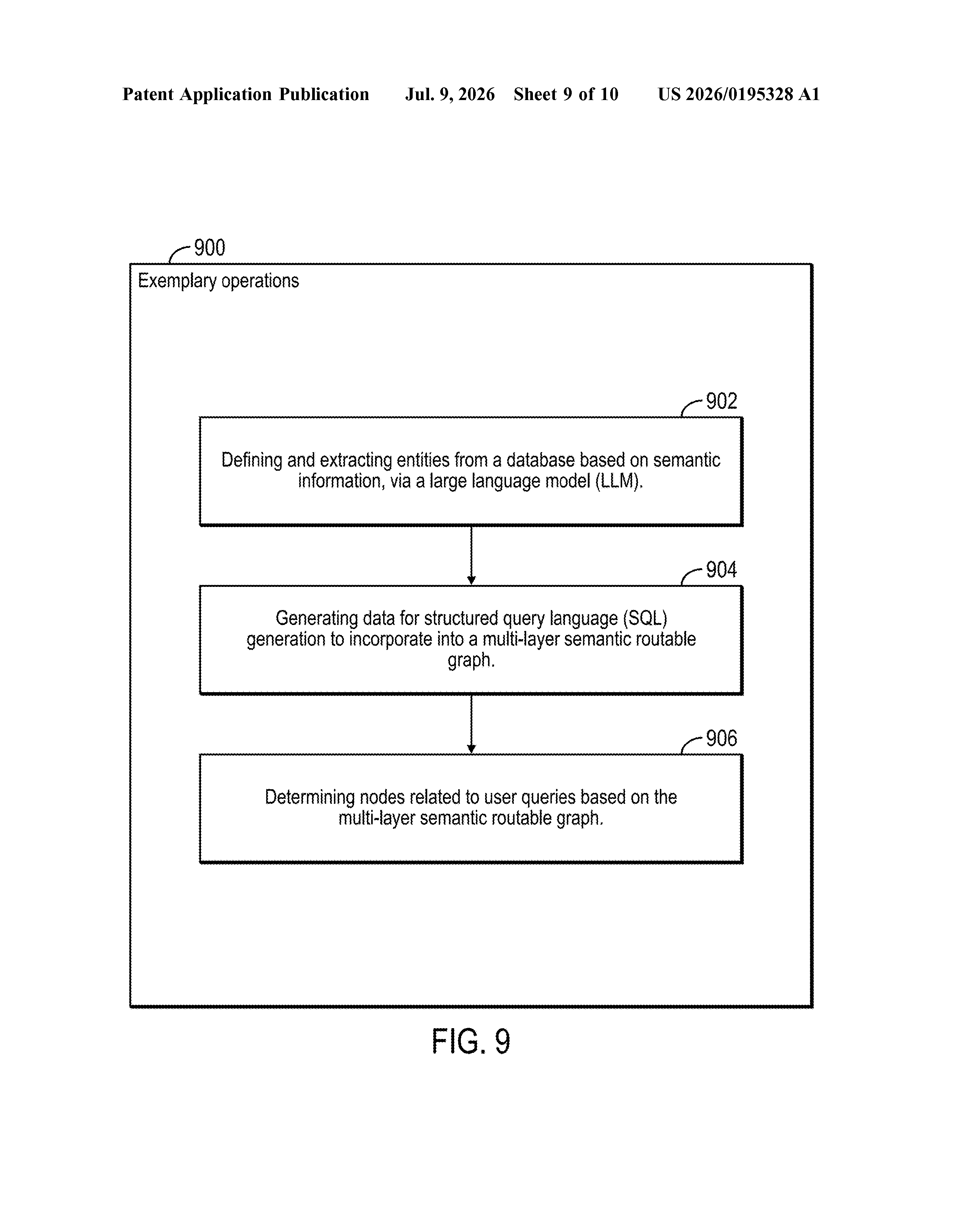
The patent describes a three-step pipeline for turning plain-language questions into database queries, called SQL (Structured Query Language), which is the standard language used to retrieve data from most business databases.
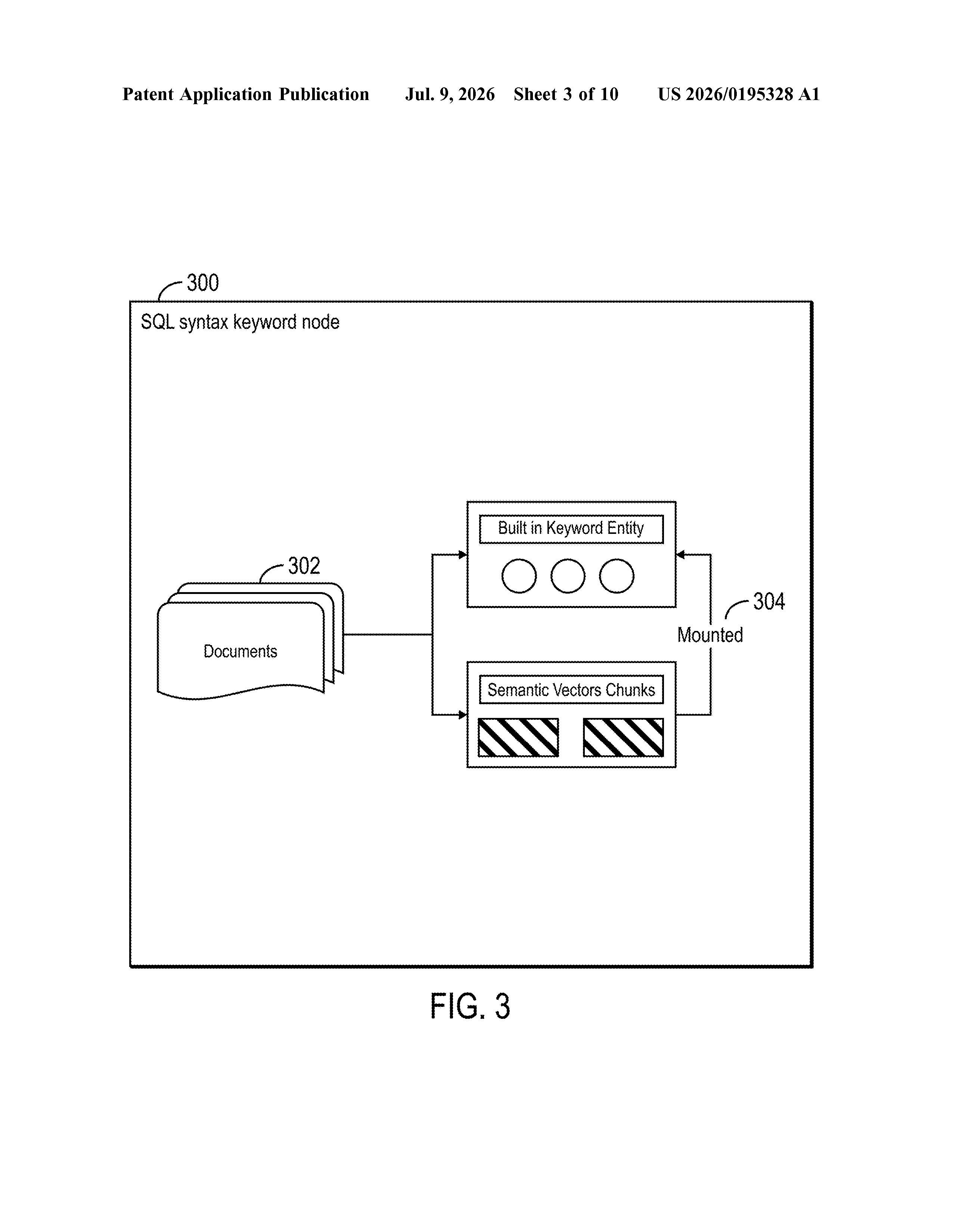
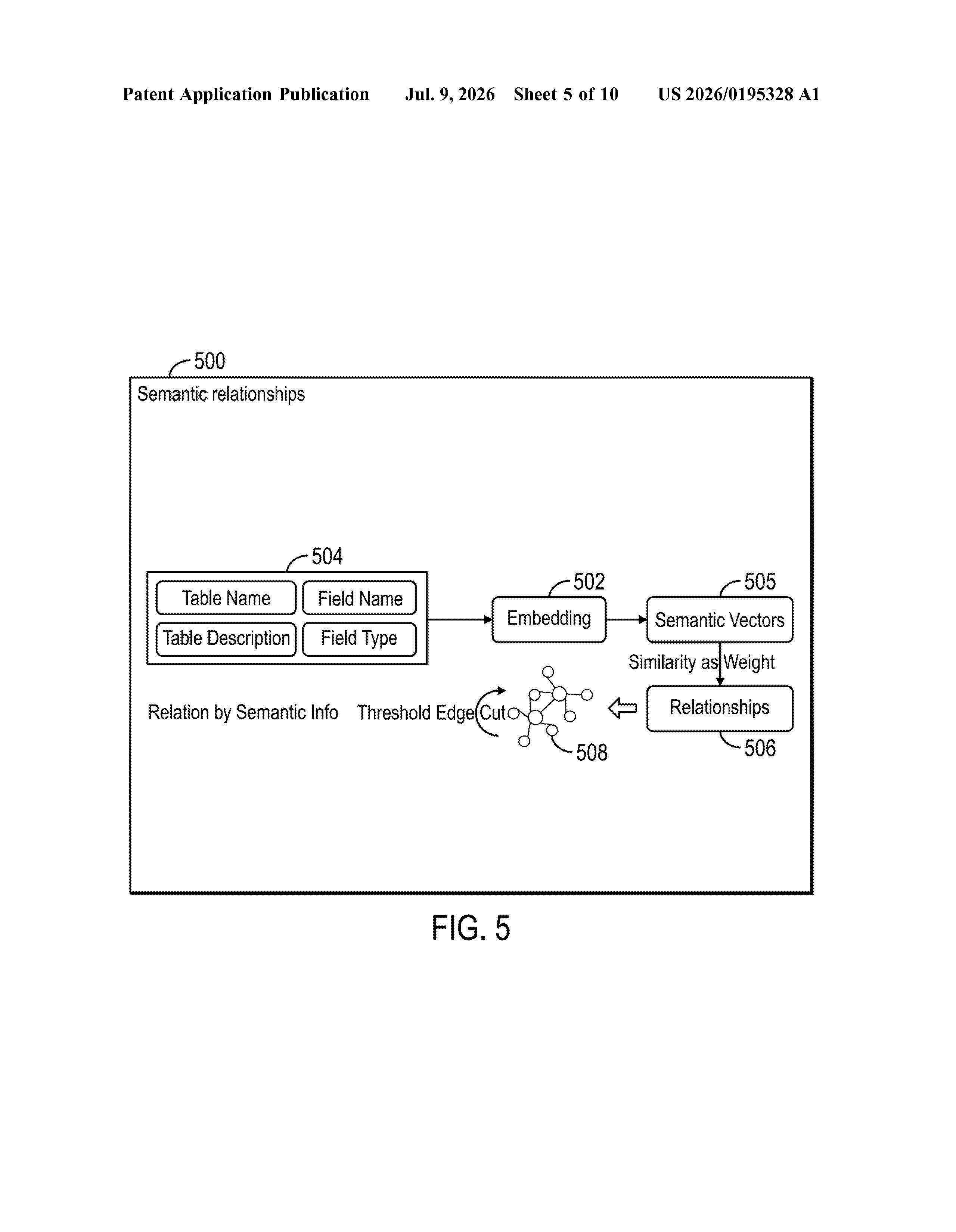
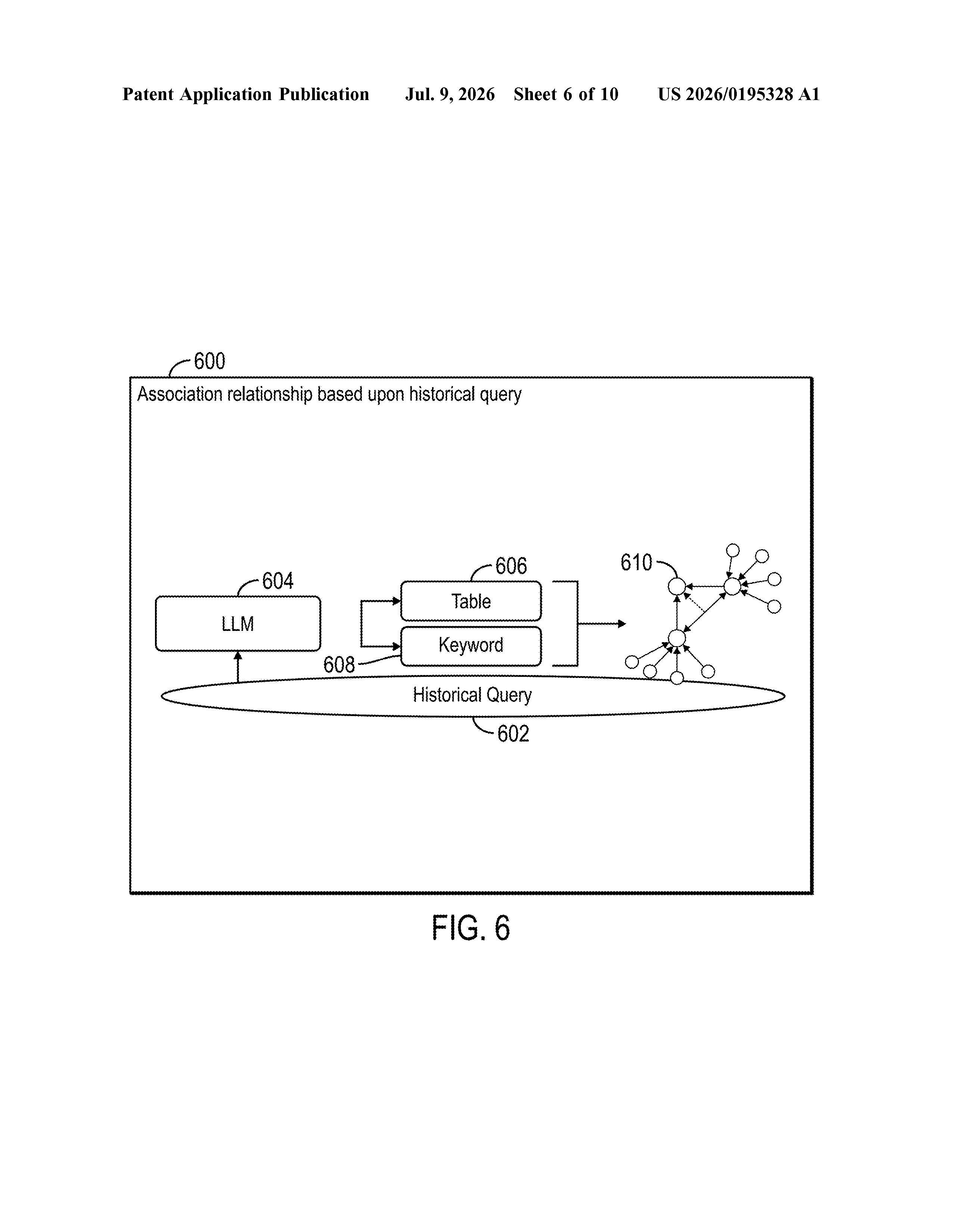
- Entity extraction: A large language model (LLM), the same kind of AI that powers chatbots, reads the database's structure and pulls out the important concepts, things like 'customer,' 'order,' 'product,' and the relationships between them.
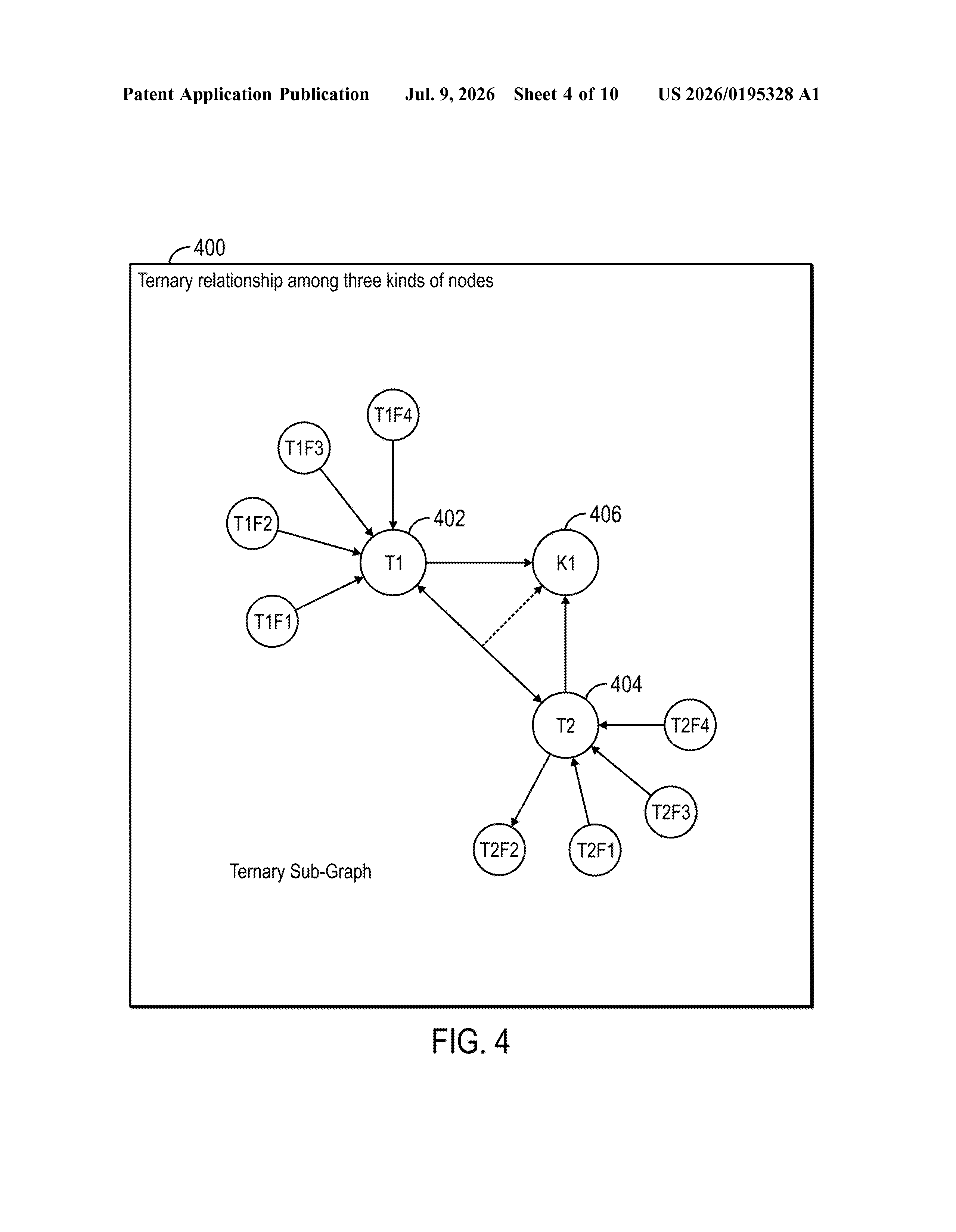
- Knowledge graph construction: Those concepts are arranged into a multi-layer semantic routable graph, essentially a navigable map where each idea is a node and the connections between them are labeled with meaning. Think of it like a subway map, but for data relationships instead of train stations.
- Query routing: When a user asks a question, the system finds the relevant nodes on that map and uses them to build a precise SQL query. The 'dynamic scaling' in the title refers to the system's ability to expand or narrow the search across that graph depending on how complex the question is.
The key claim is that grounding the AI in this structured graph reduces the chance it will make up or misinterpret data relationships, a common failure mode when LLMs try to write database queries without any map to follow.
What this means for business data tools and AI assistants
Most enterprise databases are large, messy, and built by people who are long gone. Getting useful answers out of them typically requires someone who knows both the data structure and SQL, a scarce combination. A system like this could let non-technical employees ask data questions directly, without waiting for an analyst or learning a query language.
For IBM, this fits into its broader push to sell AI-assisted tools to large enterprises. The knowledge-graph approach is also a direct response to a well-known weakness in AI language models: they can confidently write a database query that looks right but retrieves entirely the wrong data. Anchoring the AI to a structured map of the actual database is a practical attempt to fix that reliability problem.
Source: US 2026/0195328 A1 at the USPTO (PDF). Full patent text and figures are in the official publication.
Get our take in your Top Stories
Liked this breakdown? Add Patentlyze as a preferred source on Google, and our plain-English take shows up more often in your Top Stories the next time IBM patent news breaks.
Add Patentlyze on Google
One click.
There are more where this came from
We read the new patents from Big Tech, carmakers and more and send you the ones worth knowing. Plain English, free, every week.
The drawings · 10 sheets
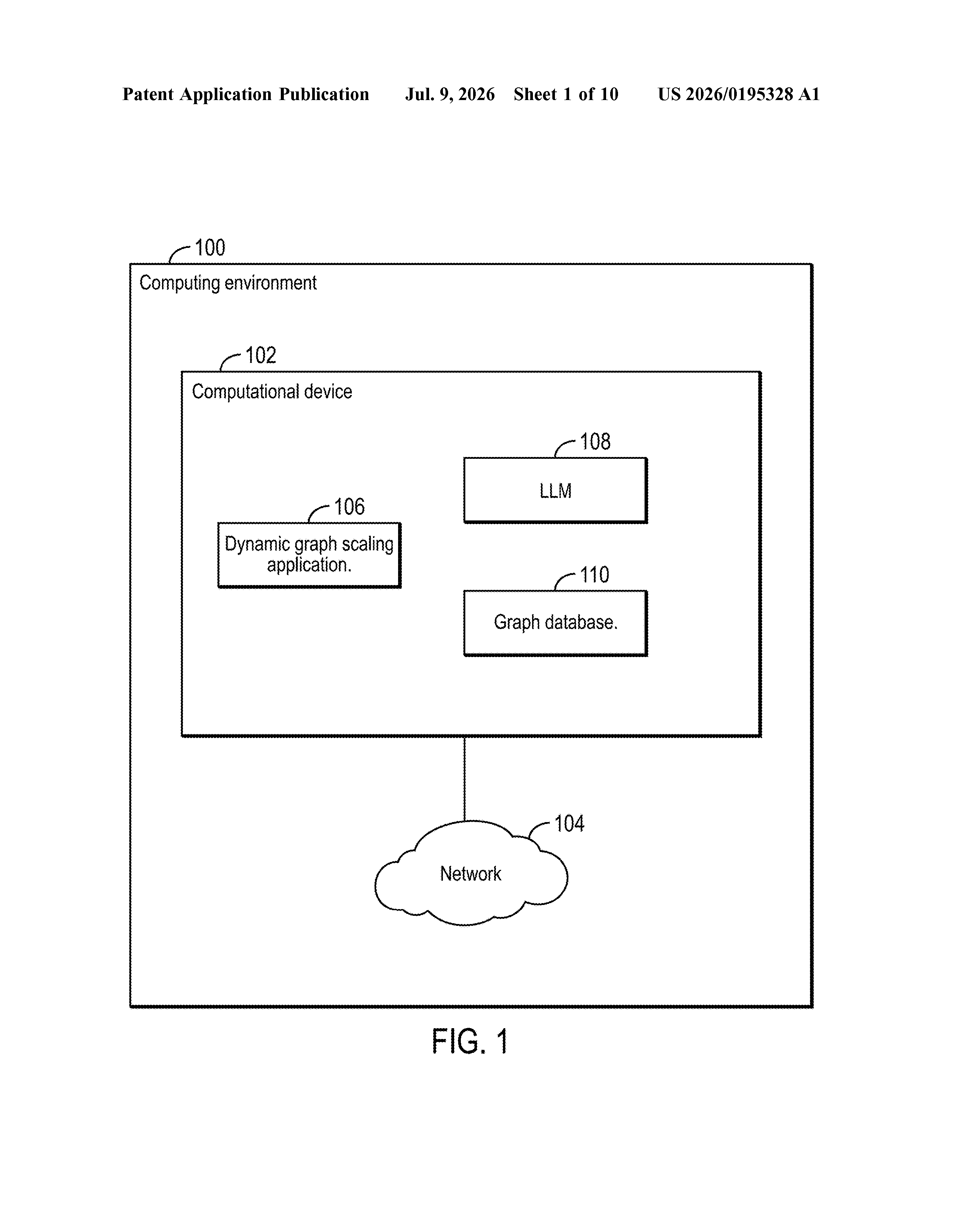
10 drawing sheets from US 2026/0195328 A1 · click any drawing to enlarge
Show the other 2 sheets
More from IBM
All 481 IBM patents →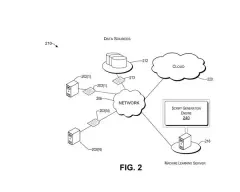
More in AI / ML
All 2,745 AI / ML patents →
Google
Google Patents a Faster AI Text Editor That Keeps What Works and Fills In the Rest
Salesforce
Salesforce Patents a System That Makes AI Code-Writers Grade Their Own Tests
Disney
Disney Patent Lets Anyone Query Databases Using Plain Language Instead of Complex Commands
Nvidia