
Disney Patent Lets Anyone Query Databases Using Plain Language Instead of Complex Commands
Most databases are locked behind a wall of technical code that only trained analysts can write. Disney is patenting a system that tears that wall down, letting someone ask a question in plain English and get a plain English answer straight from the data.
What Disney's plain-English database assistant actually does
Imagine you work at a company and you want to know which theme park ride had the most complaints last quarter. Normally, getting that answer means either knowing how to write database code yourself or waiting for a data analyst to do it for you. Disney is patenting a way to skip all that.
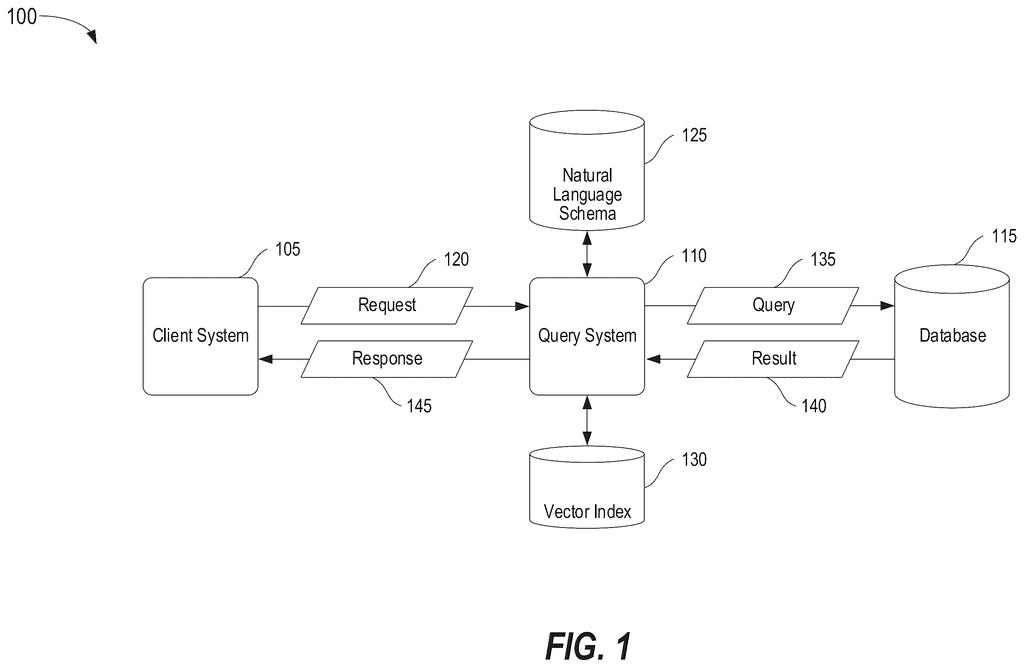
With this system, you type your question in plain English, just like texting a colleague. An AI reads your question, figures out which parts of the database are relevant, writes the technical query behind the scenes, and then hands you back a plain English answer. You never see a line of code.
The key trick is that the AI doesn't try to search the entire database at once. It first narrows things down to only the relevant tables and columns, using plain-language labels attached to each part of the database. That makes the whole process faster and more accurate.
How the system narrows down tables, columns, and values before asking the AI
The system works in a chain of steps, each handled by one or more language models (LMs) (AI systems trained to understand and generate text, like the technology behind ChatGPT).
- Step 1, Schema filtering: When you submit a question, the AI consults a natural language meta-schema (basically a plain-English map of the database that describes what each table, column, and value means). It uses that map to identify only the subset of the database that's actually relevant to your question, ignoring everything else.
- Step 2, Semantic value matching: For specific values inside columns (say, the exact name of a ride or a product code), the system uses semantic indices (a kind of searchable meaning-map) to find the closest matching entries, even if you didn't phrase them exactly as they appear in the database.
- Step 3, Query generation: The narrowed-down schema and your original question are fed together into a language model, which writes the actual database query (the technical code, typically SQL, used to pull data).
- Step 4, Answer generation: The raw result from the database is handed back to a language model, which turns the numbers and rows into a readable natural language response.
By filtering the schema first, the patent avoids a common problem: overwhelming the AI with too much database structure at once, which typically causes errors or irrelevant results.
What this means for Disney's internal data teams
Disney runs a very large internal data operation covering theme parks, streaming (Disney+), merchandise, sports (ESPN), and studio production. Getting fast answers out of those databases today likely requires dedicated analyst time. A system like this could let business teams, content planners, or operations staff get data answers directly, without queuing up requests.
More broadly, this kind of natural language to database interface is a real competitive space right now. If Disney builds this into internal tools, it could meaningfully cut down the time between asking a business question and getting a data-backed answer, which matters a lot when you're running a business as operationally complex as Disney's.
This is a solid, practical AI patent rather than a flashy one. The schema-filtering step is the genuinely interesting engineering choice here: it's a real solution to a real problem that trips up most off-the-shelf AI database tools. Whether Disney uses this internally or eventually surfaces it in a product, it's the kind of infrastructure work that actually changes how organizations use their data.
There are more where this came from
We read every patent application Big Tech publishes and send you the ones worth knowing. Plain English, free, every week.
The drawings
6 drawing sheets from US 2026/0220177 A1 · click any drawing to enlarge


Want this weekly breakdown for a company we don't cover? Patentlyze Pro →
Be the first to weigh in