
A New Patent Predicts Your Phone Needs Before You Ask
Samsung is filing patents for a phone that doesn't wait for you to search for something. It figures out what you're about to need based on your habits and has it ready.
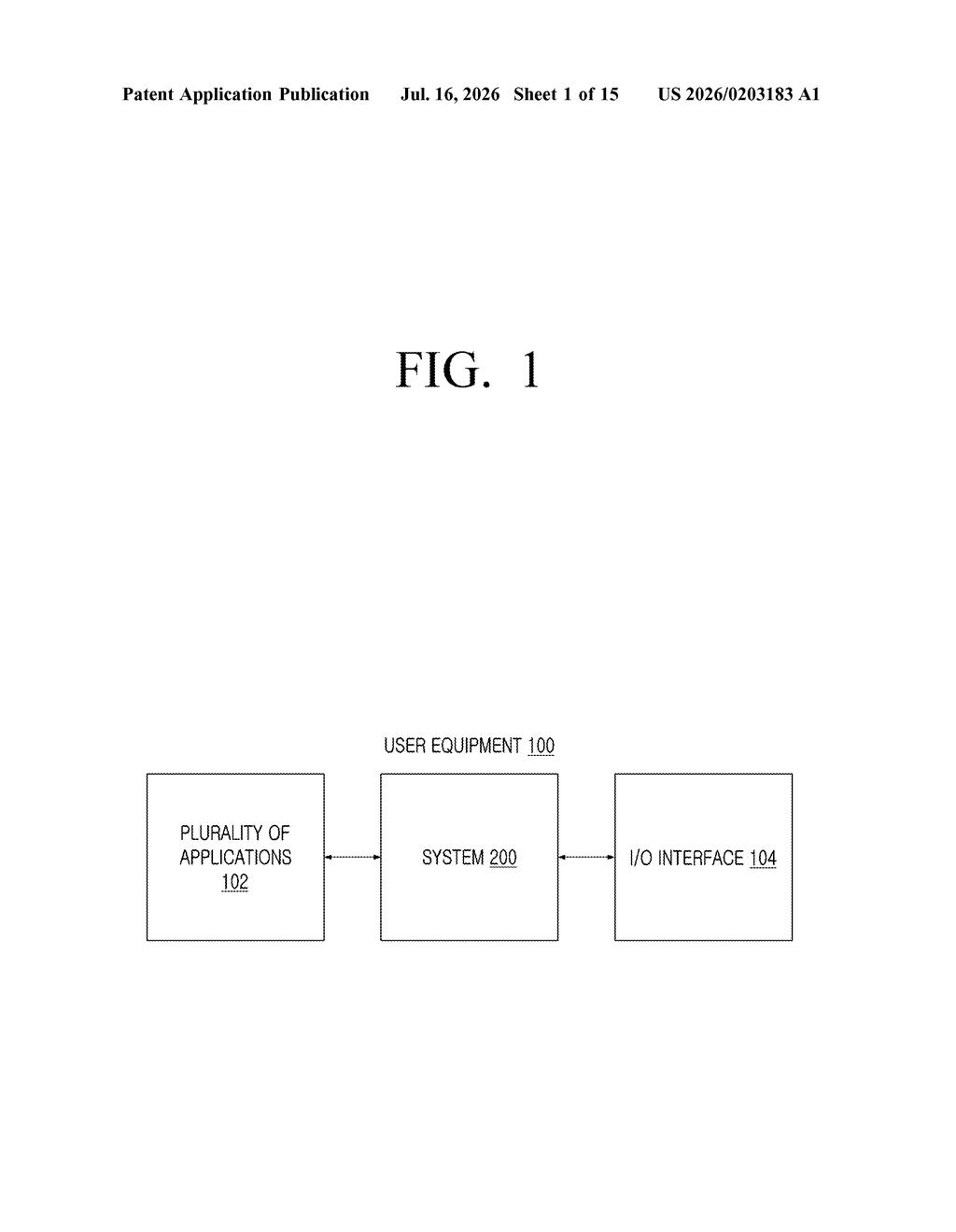
What Samsung's behavior-prediction system actually does
Imagine your phone notices that every Monday morning you check your calendar, then open a navigation app, then text your coworker. After a few weeks, it starts putting that information front and center on Monday mornings without you lifting a finger. That's the core idea here.
Samsung's patent describes an AI running directly on your phone that watches how you use apps, when you use them, and what topics or people keep showing up together. It then builds a picture of your routines and predicts what you're most likely to want next. The system ranks different possible sequences of actions and surfaces the one it considers most probable.
The goal is to make your phone feel like it already knows what you're doing, rather than making you hunt for things yourself. Think of it as a personal assistant that's been paying quiet attention, not one you have to instruct.
How the AI builds and ranks 'chains of thought' on-device
The patent describes a system that runs a machine learning model directly on your device (rather than in the cloud) to analyze your structured data, meaning organized information like contacts, calendar entries, app usage logs, and messages.
The model identifies three kinds of things inside that data:
- Entities: the people, places, apps, or topics that appear in your data
- Relations: how those entities connect to each other (for example, a colleague linked to a specific project)
- Contexts: the situation surrounding each interaction, like time of day, location, or what you were doing just before
From those three inputs, the system extracts behavioral patterns and then generates what the patent calls "chains of thought" (essentially, likely sequences of what you'll do next, ranked by probability). The chain with the highest predicted probability wins, and the phone uses that to prioritize and surface the most relevant data.
Crucially, the patent claims all of this runs on the device itself, which would keep your behavioral profile off Samsung's servers.
What this means for Samsung's AI phone ambitions
Samsung is pushing hard to make on-device AI a real selling point for Galaxy phones, and this patent sits squarely in that effort. If the system works as described, your phone could genuinely anticipate your needs rather than simply responding to search queries. That's a meaningful shift in how people interact with their devices, moving from pull (you ask, phone answers) to push (phone offers before you ask).
The on-device angle also matters for privacy: your behavioral patterns would stay on your phone rather than being processed in a data center. Whether that privacy promise holds in practice depends on implementation details not covered by the patent itself, but it's a clear signal of where Samsung wants to position Galaxy AI relative to cloud-dependent competitors.
This is a real and interesting bet by Samsung, not a throwaway filing. The 'chains of thought' framing borrows from large language model reasoning techniques and applying that logic to personal behavioral prediction on a phone is a genuinely different angle. The hard part is making it accurate enough to feel useful rather than intrusive, and that's a product challenge the patent doesn't solve.
There are more where this came from
We read every patent application Big Tech publishes and send you the ones worth knowing. Plain English, free, every week.
Want this weekly breakdown for a company we don't cover? Patentlyze Pro →
Be the first to weigh in