
Qualcomm Patents a System That Budgets RF Radiation Limits Across Multiple Antennas
Your phone has multiple antennas, and keeping total radiation exposure within legal limits while using all of them at once is a real engineering puzzle. Qualcomm's latest patent describes a system that treats RF exposure headroom like a shared budget — allocating it dynamically so no single transmission blows the limit for the others.
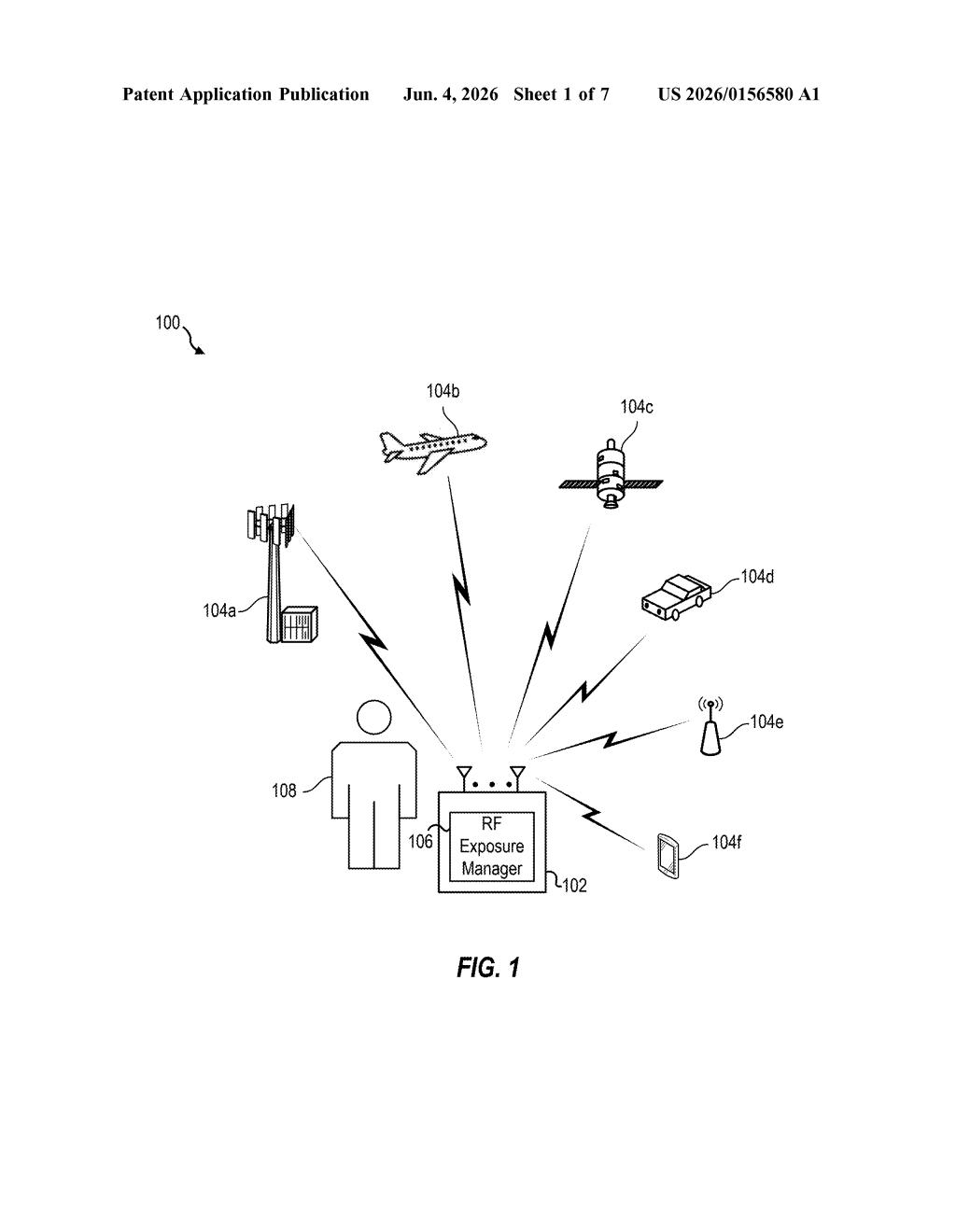
What Qualcomm's RF safety power-budgeting actually does
Imagine your phone is trying to send data over two different antennas at the same time — one for a call, one for a 5G data stream. Regulators cap how much radio energy your device can emit near your body, and if both antennas fire at full power simultaneously, you could exceed that limit. So the phone has to throttle something.
Qualcomm's patent describes a smarter way to handle that trade-off. Instead of just capping each antenna independently, the system tracks a shared energy reserve — a pool of available RF exposure budget — and allocates it across antennas based on what's coming next. If one antenna is about to need a burst of power for an important transmission, the system holds back some of the budget in advance rather than letting the current transmission spend it all.
The practical result is that your device can stay within the regulatory safety limit for RF exposure while wasting less of its allowed power headroom. That means better signal quality and fewer situations where your phone unnecessarily drops to low power just to stay compliant.
How the reserve system balances power across antenna ports
The patent describes a method running on a wireless device (think a 5G smartphone or modem chipset) that coordinates transmit power decisions across multiple antenna ports — the individual pathways through which radio signals leave the device.
The core mechanism works in three steps:
- Obtain antenna port information — the system collects data about each antenna port, which could include its current usage, expected future usage, and its contribution to the device's overall RF exposure (technically measured as SAR — Specific Absorption Rate, the standard metric for how much radio energy your body absorbs).
- Determine reserves — based on that information, the system calculates one or more energy reserves: portions of the remaining RF exposure budget that are set aside and not available to the current transmission.
- Transmit with reserve awareness — a signal goes out on the first antenna at a power level that respects those reserves, keeping headroom available for an upcoming transmission on a second antenna port.
The key insight is forward-looking power management. Rather than greedily using all available exposure budget on the present transmission, the system anticipates future antenna needs and holds back accordingly — similar to how a battery management system reserves charge for peak loads.
What this means for 5G device performance and safety compliance
RF exposure compliance (SAR limits) is a regulatory requirement in every major market, and it's become more complex as phones pack in more antennas for 5G millimeter-wave, sub-6GHz, Wi-Fi, and Bluetooth simultaneously. Today's devices often handle this with conservative static power caps that reduce performance even when it isn't necessary. A dynamic, antenna-aware reservation system could recover some of that lost headroom and translate it into better sustained throughput or fewer dropped connections near the body.
For Qualcomm specifically, this kind of firmware-level optimization fits squarely into its modem business — the Snapdragon X-series modems power a huge share of flagship Android phones and are now in Windows laptops and other devices. Shipping this as part of modem firmware would let Qualcomm offer measurably better real-world performance without touching the antenna hardware itself.
This is unglamorous but genuinely useful modem engineering. SAR compliance headroom is a real constraint that quietly costs users signal quality every day, and a forward-looking reservation system is a sensible architectural fix. It's not a headline feature, but it's exactly the kind of patent that ends up shipping quietly in a modem firmware update and making a measurable difference.
There are more where this came from
We read every patent application Big Tech publishes and send you the ones worth knowing. Plain English, free, every week.
Want this weekly breakdown for a company we don't cover? Patentlyze Pro →