
Qualcomm Patents Flat Camera Tech That Judges How Far Away Objects Are
What if you could get 3D depth sensing from a camera module that's essentially flat? That's the idea behind Qualcomm's new patent for a meta-lens array camera system, and it cuts out a lot of the physical bulk that depth cameras usually require.
How Qualcomm's tiny lens grid figures out depth
Imagine your phone's camera can tell exactly how far away every object in a photo is, not just that something looks blurry in the background, but a precise measurement of distance across the whole scene. That's what depth cameras do, and right now they usually need multiple camera modules or special hardware sticking out of your phone.
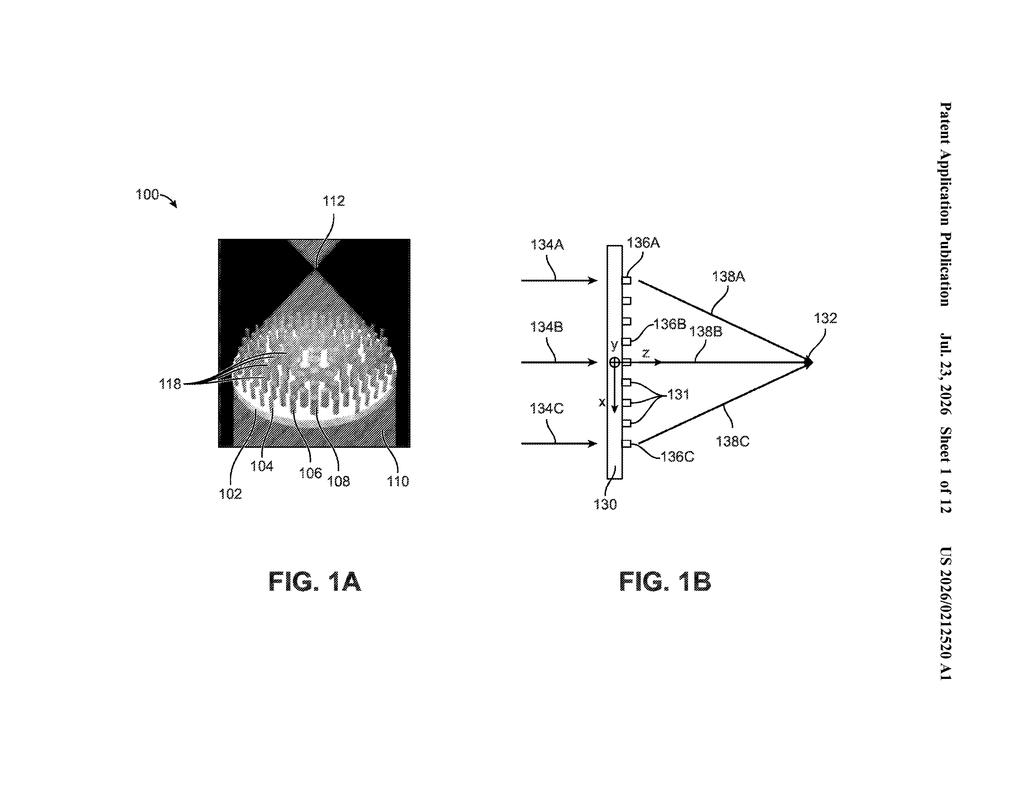
Qualcomm's patent describes a different approach: a flat grid of microscopic lenses (called a meta-lens array) placed in front of a single image sensor. Each tiny lens captures a slightly different angle of the same scene, producing a set of small sub-images all at once. The chip then compares those sub-images to calculate how far away things are, similar to how your two eyes give your brain enough information to judge depth.
The whole system is much thinner than traditional multi-camera depth setups because the meta-lenses are flat structures, not curved glass. That could matter a lot for slim phones, augmented reality glasses, or any device where physical space is tight.
How the meta-lens array builds a depth map from sub-images
The patent describes a camera system built around a meta-lens array, a grid of tiny, flat optical elements that bend light using microscopic surface patterns rather than curved glass. Because they're essentially flat, they can be manufactured more like a chip than a traditional lens.
That array sits in front of a conventional image sensor (the kind already found in phone cameras). As light hits the array, each individual meta-lens in the grid sends a slightly offset view of the scene to a small region of the sensor beneath it. The result is a set of sub-images, many small pictures of the same scene taken from slightly different angles simultaneously, similar to how a light-field or plenoptic camera works.
The on-device processor then analyzes the differences between those sub-images to calculate depth information, essentially a per-pixel distance map of the scene. Key processing steps include:
- Capturing all sub-images in one shot from the single sensor
- Comparing pixel-level differences across the sub-images (a technique called disparity analysis)
- Producing a depth map that downstream apps or features can use
The output can feed into any application that benefits from knowing how far away objects are: portrait-mode blur, augmented reality object placement, gesture recognition, or robotics-style scene understanding.
What this means for 3D sensing in phones and AR devices
Depth sensing right now comes at a cost: either you stack multiple cameras (which adds thickness and expense) or you add dedicated hardware like infrared projectors. A flat meta-lens array that extracts depth from a single sensor pass could shrink that footprint considerably, which matters most for thin form-factor devices like AR glasses or future ultra-slim phones where every millimeter counts.
Qualcomm supplies the processors and camera ISPs (image signal processors) inside many Android phones and AR headsets. If this system works at production quality, it could become a differentiating feature baked into future Snapdragon platforms, giving device makers 3D sensing without the extra hardware cost that currently makes depth cameras a premium feature.
This is a genuine engineering bet, not paperwork filler. Meta-lens optics have been a research topic for years, and Qualcomm filing a system-level patent that combines them with a real depth-mapping pipeline suggests the company thinks the manufacturing is close enough to matter. Whether meta-lenses can match the optical quality of glass at production scale is the unresolved question, but the direction is interesting.
There are more where this came from
We read every patent application Big Tech publishes and send you the ones worth knowing. Plain English, free, every week.
The drawings
12 drawing sheets from US 2026/0212520 A1 · click any drawing to enlarge


Want this weekly breakdown for a company we don't cover? Patentlyze Pro →