
Apple Files Patent for Pinning Digital Information to Specific Real-World Spots
Apple is working on a system that pins virtual objects to specific real-world locations, so what you see in augmented reality changes depending on exactly where you are standing.
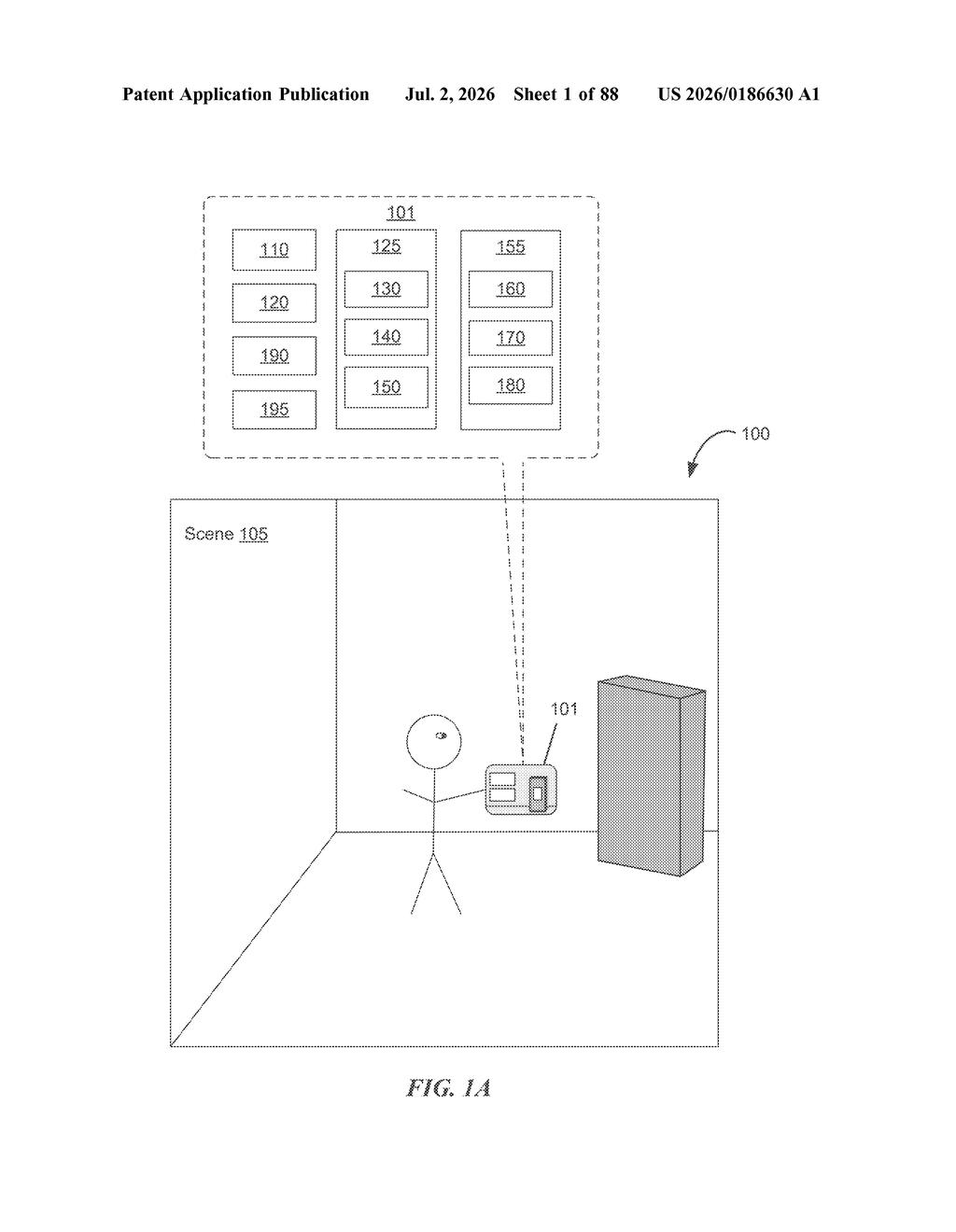
What Apple's location-linked virtual objects actually do
Imagine walking past a restaurant and your glasses or phone automatically surfaces a virtual menu floating above the door, or stepping into a museum where audio commentary kicks in the moment you stand in front of a particular painting. That's the general idea behind this Apple patent.
The system described here ties digital content to physical locations. As you move through the world, the device figures out where you are and surfaces relevant virtual objects, sounds, or interface elements tied to that specific spot. It also handles navigation, suggesting it could guide you toward a location while overlaying directions in your field of view.
The patent bundles several related features: adapting what's shown based on conditions (like time of day or what's nearby), playing spatial audio that feels like it's coming from a physical source, and surfacing content when a particular event is detected. It reads like a foundational layer for an AR experience built around the physical world.
How the system ties virtual content to physical spots
The patent describes a computer system (likely a headset, phone, or glasses) that manages virtual content across several interconnected behaviors:
- Location-triggered content: The system presents virtual objects or interface elements based on the user's physical position, so different spots in the real world show different digital content.
- Condition-based display: UI elements appear or change according to one or more "appearance conditions" (think: time of day, proximity to an object, or a detected event like arriving at a destination).
- Spatial audio: Sound corresponding to virtual content is played in a way that matches the position of the virtual object in 3D space, making it feel physically grounded.
- Navigation assistance: The system includes a component for guiding users through physical space, presumably using overlaid directions or cues.
The claims in the published filing are listed as canceled (claims 1 through 26), which typically happens during prosecution when claims are replaced or amended before a final grant. The abstract still outlines the core invention, but the specific enforceable scope is unresolved at this stage.
What this means for Apple Vision Pro and iPhone AR
For Apple, this kind of patent supports the foundation of Vision Pro and any future AR glasses. Anchoring virtual content to real places is one of the harder engineering and UX problems in augmented reality: the content has to feel like it belongs in the world, not just floating in front of your face. A system that handles location triggers, adaptive UI, and spatial audio together is exactly the infrastructure needed for that to work well.
For you as a user, this could eventually mean AR navigation that feels natural, or location-specific information that appears without you having to ask for it. It's also a clear signal that Apple is thinking about AR as a context-aware medium, not just a screen you hold up.
The canceled claims make this a tricky one to assess: there's genuine breadth in the abstract (location, audio, navigation, adaptive UI all in one system), but without active claims it's hard to know what Apple actually locked down here. The underlying direction is clear and consistent with Vision Pro's roadmap, but this specific filing looks like it's mid-revision rather than a finished patent.
Get our take in your Top Stories
Liked this breakdown? Add Patentlyze as a preferred source on Google, and our plain-English take shows up more often in your Top Stories the next time Apple patent news breaks.
There are more where this came from
We read every patent application Big Tech publishes and send you the ones worth knowing. Plain English, free, every week.
Want this weekly breakdown for a company we don't cover? Patentlyze Pro →