
Apple Patents Shared 3D Spaces Where Panels Rotate to Reveal Hidden Content
Imagine sitting across a virtual table from a colleague in Apple Vision Pro, and when they tap a floating panel, it physically rotates so you can both see what's on it. That's exactly what this patent describes.
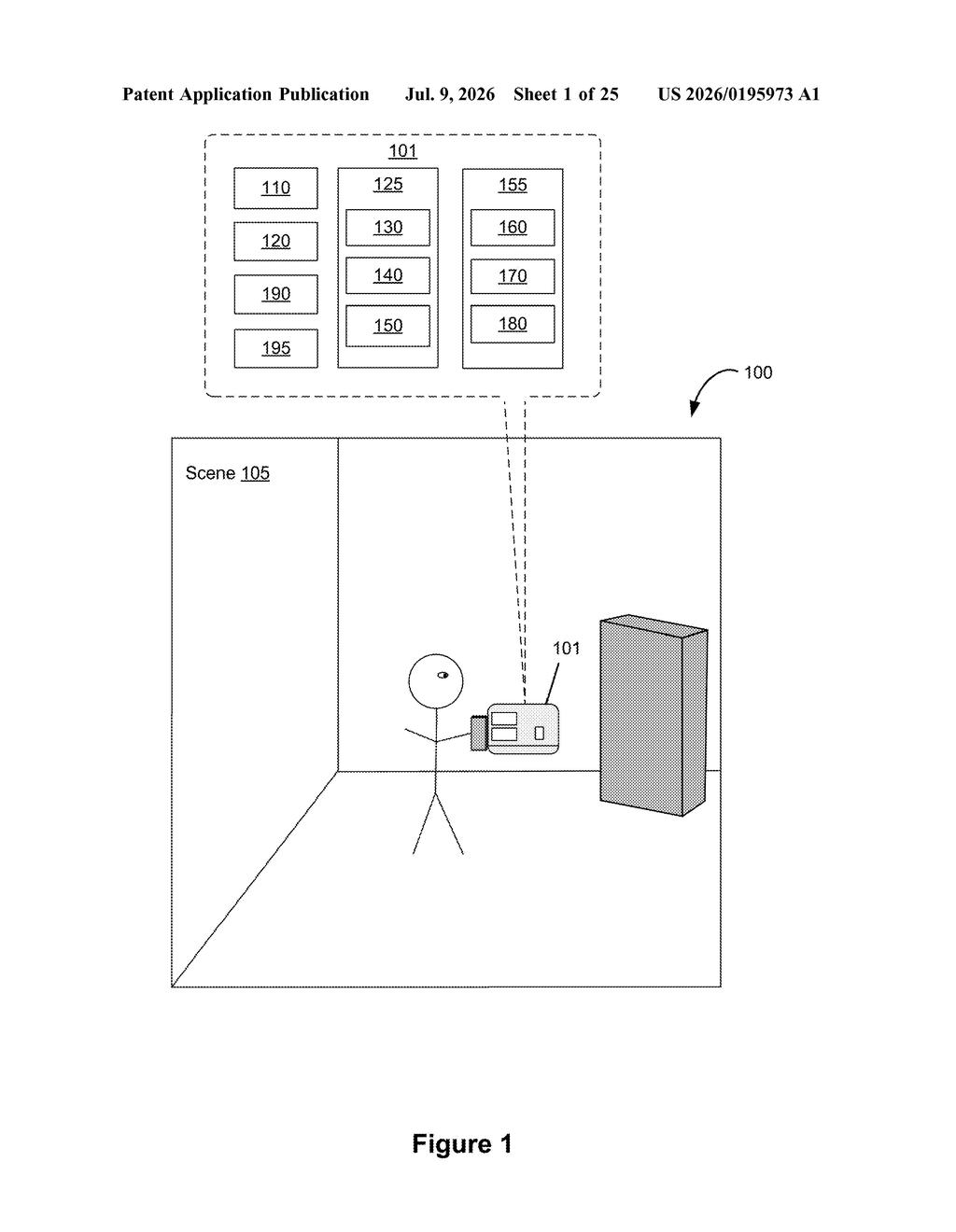
What Apple's rotating 3D panels actually do in shared spaces
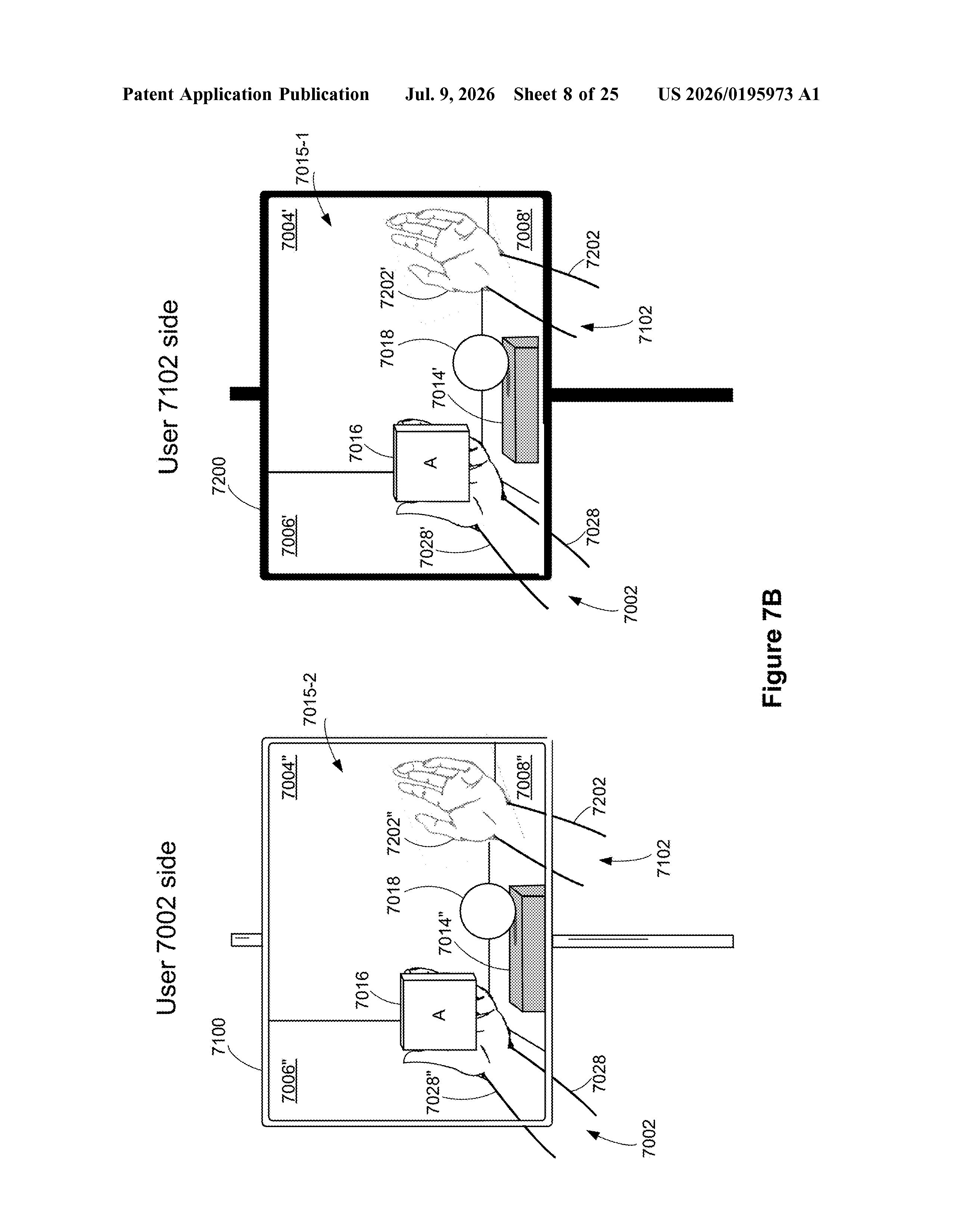
Picture two people wearing Apple Vision Pro headsets sharing the same virtual room. There's a floating digital panel between them, angled so only one person can read what's on the back of it. The other person sees only the front face, with certain content hidden from their view.
Now imagine that hidden person reaches out and taps the panel. Instead of both users getting a flat, static pop-up, the panel physically rotates in 3D space so the previously hidden content swings into view for the first user too. The interaction is spatial and shared, not just a private screen update.
This is Apple's idea for making shared spatial computing feel like you're genuinely in the same room with someone, where your actions have physical consequences visible to everyone present.
How the UI object flips when a second user reaches in
The patent describes a system for managing a three-dimensional environment that two users share simultaneously, each seeing it through their own display (think two Vision Pro headsets connected to the same session).
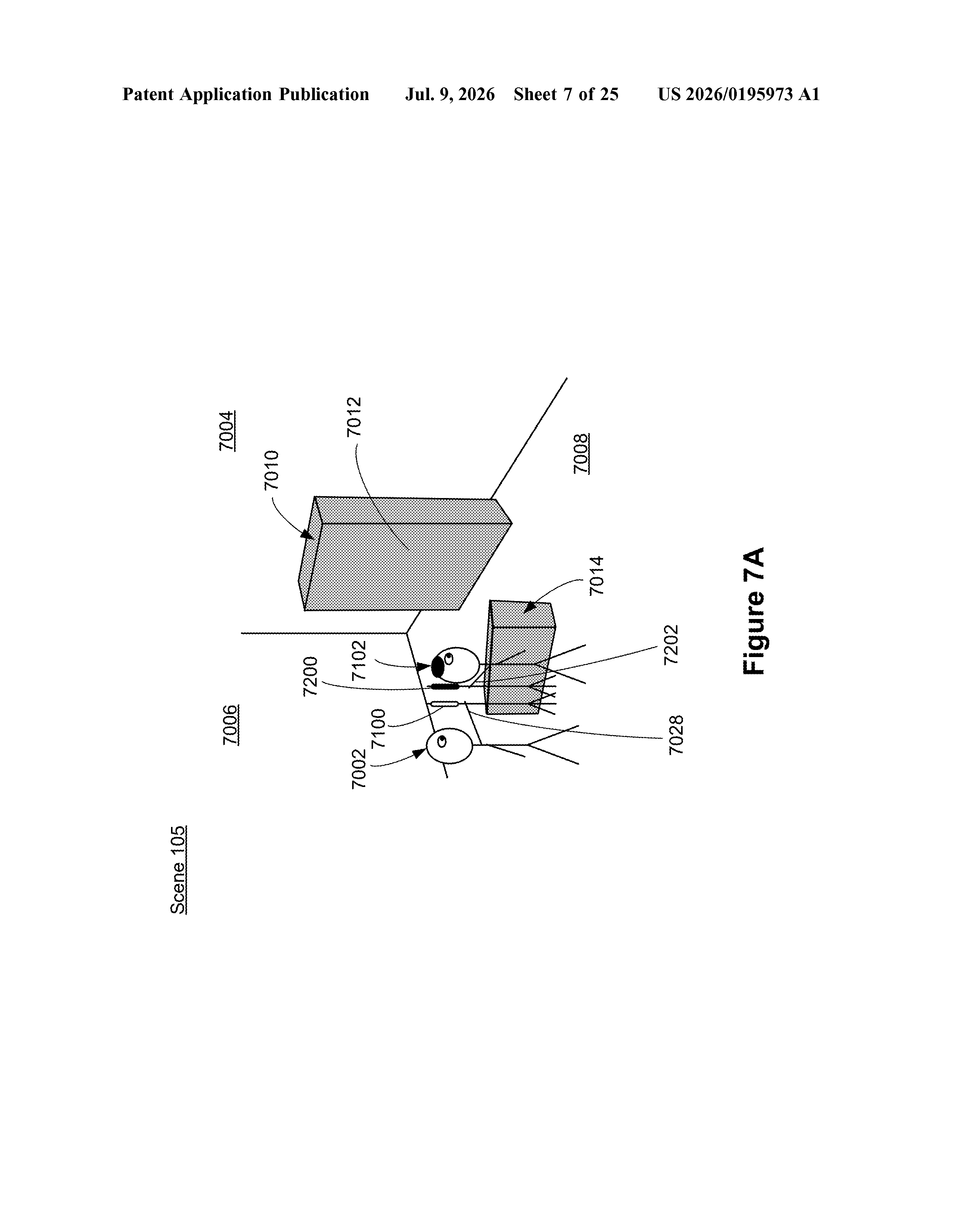
A user interface object (a floating panel, card, or window) starts with a specific orientation. In that starting position, one face of the object shows content to User 1, while other content on a different face is hidden from User 1's angle of view. Think of it like a playing card held at an angle where you can see the front but not the back.
When User 2 triggers an interaction with that object, the system responds by rotating the object to a new orientation. That rotation is the key move: the previously hidden content swings around and becomes visible to User 1 in their own view. It's not a cut or a fade; the object physically pivots in shared 3D space.
The claim covers:
- A first display generation component (a headset or display) showing the 3D environment
- Detection of a second user's interaction event
- A rotation response that changes the object's orientation for the first user's view
What this means for visionOS and shared spatial computing
Shared spatial computing is the obvious next frontier for Apple's Vision Pro platform, and right now most multi-user spatial experiences feel like two people looking at separate screens that happen to be in the same room. This patent describes interactions that feel genuinely physical, where what your collaborator does changes what you see, not just what they see.
The inventor list here is notable: Jony Ive, Alan Dye, and Evans Hankey are core design leadership names. That's not a patent from an obscure engineering team filing a defensive claim. It suggests this interaction model is something Apple's top design minds have thought through carefully, which makes it more likely to influence real products than a typical background filing.
This is a genuinely interesting spatial UI idea, and the design-team pedigree behind it makes it worth taking seriously. The rotating-panel mechanic solves a real problem in shared 3D spaces: how do you make one user's action feel consequential and physically real to the other person? Filing this now, while Vision Pro is still finding its footing, suggests Apple is building a library of interaction primitives for the long game in spatial computing.
Get our take in your Top Stories
Liked this breakdown? Add Patentlyze as a preferred source on Google, and our plain-English take shows up more often in your Top Stories the next time Apple patent news breaks.
There are more where this came from
We read every patent application Big Tech publishes and send you the ones worth knowing. Plain English, free, every week.
The drawings
25 drawing sheets from US 2026/0195973 A1 · click any drawing to enlarge
Want this weekly breakdown for a company we don't cover? Patentlyze Pro →