
Apple Patents Asymmetric Cellular Protocol That Treats Uploads and Downloads Differently
Your phone uploads and downloads data constantly, but it almost never does both in equal amounts — so why should the rules governing each direction be identical? Apple's new patent says they shouldn't be.
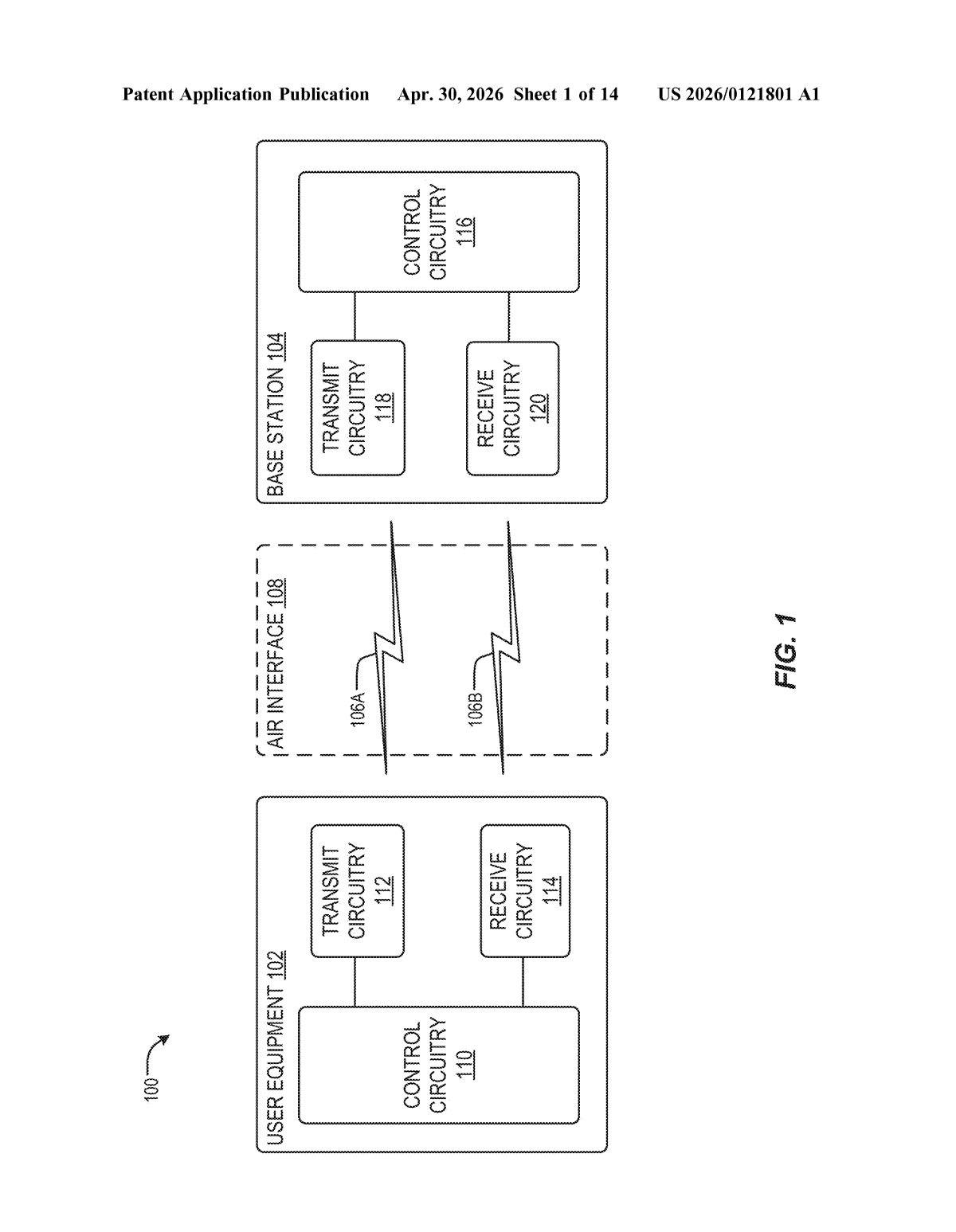
What Apple's asymmetric RLC protocol actually does
Think about how you use your phone's cellular connection. You're streaming a video (lots of data coming down to you) while occasionally sending a text or a photo (a little data going up). The traffic is lopsided — yet today's cellular protocols often apply the same basic rules to both directions.
Apple's patent describes an asymmetric RLC protocol — RLC stands for Radio Link Control, which is the layer of cellular software that manages how data packets are sent, received, and error-checked over the air. The idea is straightforward: let the network configure different parameters for uploading versus downloading, rather than forcing the same settings on both.
In practice, this means a base station could tell your iPhone to be very aggressive about retransmitting lost packets on the download side (where speed matters most to you) while keeping uploads leaner and simpler. It's a small but sensible tuning knob that could help carriers squeeze better performance out of the same spectrum.
How uplink and downlink parameters diverge in Apple's design
The patent centers on the Radio Link Control (RLC) layer — a standard piece of the cellular stack (think of it as the reliability manager sitting just above the raw radio hardware) responsible for segmenting data, detecting errors, and requesting retransmissions when packets go missing.
Currently, RLC is typically configured symmetrically: the same window sizes, acknowledgment modes, and retransmission rules apply whether data is flowing up or down. Apple's filing proposes that a base station send control signaling (a configuration message) that sets at least one parameter specifically for the uplink and a separate, potentially different parameter for the downlink.
The claim is intentionally broad — it covers:
- Receiving that asymmetric configuration from the network
- Transmitting an uplink packet under the uplink-specific rules
- Receiving a downlink packet under the downlink-specific rules
This asymmetry lets network operators optimize each direction independently. A carrier might, for example, allow a larger RLC window size (how many packets can be in-flight before waiting for an acknowledgment) on the downlink to boost throughput, while keeping a tighter window on the uplink to conserve device battery and radio resources. The device — presumably an iPhone or other Apple modem-equipped hardware — simply follows whatever asymmetric configuration the network hands it.
What this means for iPhone cellular performance
For everyday users, this is the kind of under-the-hood work that could mean slightly faster video buffering or more reliable upload speeds without requiring new spectrum or bigger antennas. Cellular networks are inherently asymmetric in practice — far more data flows downstream than up — so giving operators a formal protocol-level knob to match their configuration to real traffic patterns is genuinely useful.
It also lands at an interesting moment: Apple is reportedly building its own cellular modem (the C1 chip already ships in some iPhone 16e models), and tighter control over protocol-layer behavior is exactly the kind of advantage an in-house modem team can exploit. Whether this specific patent shapes that modem's firmware or ends up in a standards body proposal is an open question, but the direction is clear.
This is unglamorous but legitimate cellular engineering — the kind of incremental protocol work that accumulates into real-world performance gains over a product cycle. It's not a dramatic AI breakthrough, but if Apple's modem ambitions are serious, owning IP at the RLC layer is exactly the right kind of foundation to build on.
There are more where this came from
We read every patent application Big Tech publishes and send you the ones worth knowing. Plain English, free, every week.
Want this weekly breakdown for a company we don't cover? Patentlyze Pro →