
Apple Patents a Gain Curve System for Smarter HDR Image Sharing
Ever sent a photo that looked stunning on your iPhone but washed out or over-bright on someone else's screen? Apple's new patent targets exactly that problem — by bundling a mathematical 'gain curve' with every image so the receiving device knows how to display it correctly.
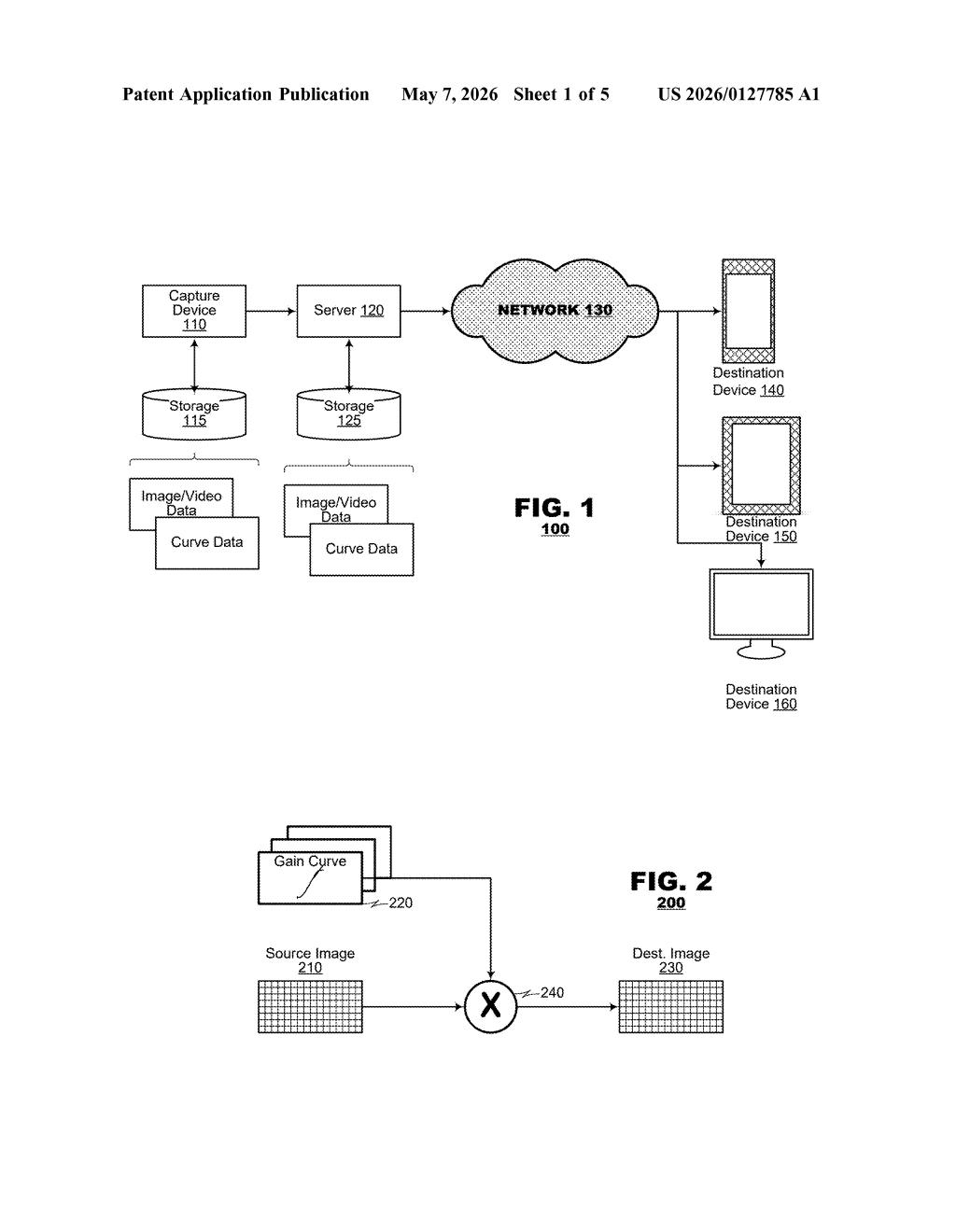
What Apple's gain curve image sharing actually does
Imagine you take a gorgeous HDR photo on your iPhone — all that rich shadow detail and bright highlights. You share it, and on your friend's older laptop it looks flat and blown out. The image data is all there; the receiving screen just doesn't know what to do with it.
Apple's patent describes a system where, when you capture an image, the camera also generates a gain curve — essentially a recipe that says 'here's how to translate the raw pixel values into something that looks right on a given display.' That curve gets saved alongside the image in the same file.
When the photo arrives on another device, that device reads the gain curve and applies it — or adapts it using what it knows about its own screen. The result: your photo should look as intended, whether it's opening on a high-end OLED TV or a budget Android tablet, without you having to do anything.
How Apple's gain curve transform pipeline works
At capture time, the camera sensor generates image data in a source representation — think of this as the raw or log-encoded pixel values straight from the sensor, which contain a wide range of light information but aren't ready to display directly.
Simultaneously, the system generates a gain curve — a mathematical function (similar in spirit to a tone curve in Lightroom) that defines how to map those source values to a destination representation suitable for a specific display or use case. This curve is then stored in the same image or video file as the pixel data itself.
On the receiving end, the destination device has two options:
- Apply the gain curve directly to the source image pixels to get the intended output.
- Combine the gain curve with additional device-specific knowledge (like the display's peak brightness or color gamut) to derive a custom transform that's even better suited to that particular screen.
The patent frames this as a networked exchange protocol — the gain curve is published alongside the image, and consuming devices know how to interpret it. This is essentially a standardized handshake for HDR tone mapping metadata, built directly into the file format rather than handled ad hoc by each app or platform.
What this means for cross-device photo and video quality
HDR photo and video sharing is a mess right now. Different platforms — iMessage, Instagram, web browsers — handle tone mapping inconsistently, which is why the same iPhone photo can look dramatically different depending on where you view it. A standardized, in-file gain curve approach could cut through that chaos by making the intended look travel with the content itself.
For you as a user, this could mean shared photos and videos that look consistent whether your recipient is on an iPhone, a Windows PC, or a smart TV — no more 'why does this look different on your phone?' moments. For Apple, it positions the company to influence how HDR image exchange works across the industry, which matters a lot as HDR displays become the norm everywhere, not just on flagship devices.
This is quiet but genuinely important infrastructure work. The HDR image interoperability problem is real and annoying, and Apple tackling it at the file-format level — rather than hoping apps and platforms converge on their own — is the right approach. Whether this becomes an open standard or an Apple-only format will determine how much it actually helps.
There are more where this came from
We read every patent application Big Tech publishes and send you the ones worth knowing. Plain English, free, every week.
Want this weekly breakdown for a company we don't cover? Patentlyze Pro →