
Apple Patents a Fix for When Your Hands Disappear Behind Virtual Objects
Anyone who has used a mixed-reality headset has run into this: you reach toward a virtual window or panel, and your hand seems to vanish behind it like it's been swallowed. Apple wants to fix that with a system that automatically fades virtual objects when your hand gets caught behind them.
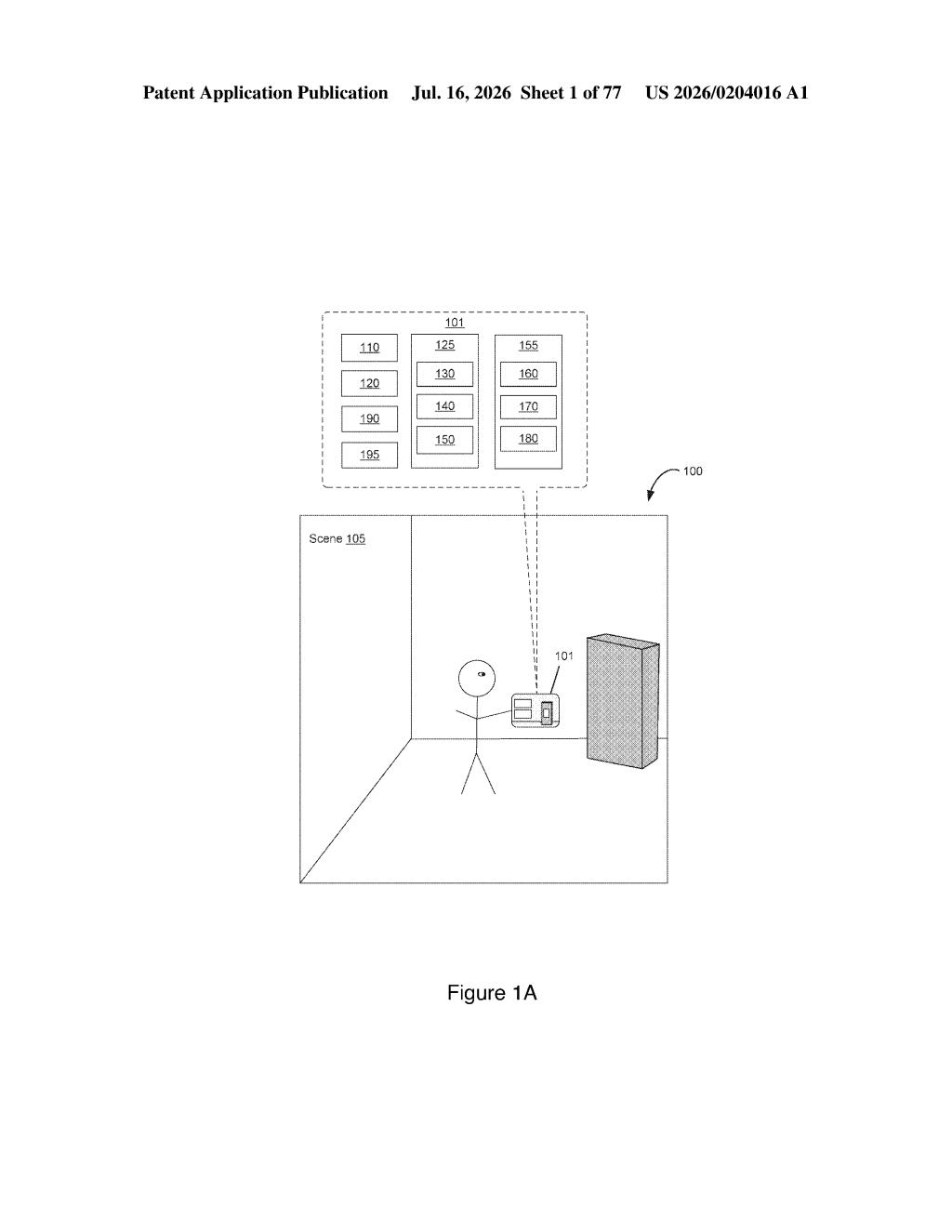
What Apple's hand-visibility fix actually does in AR
Imagine you're wearing Apple's Vision Pro and a virtual calendar is floating in front of you. You reach out to tap a date, but from your perspective, your hand disappears behind the calendar. It looks like your fingers have been cut off. That's disorienting, and Apple has a patent aimed squarely at solving it.
The idea is straightforward: the headset tracks where your hand is in space relative to any virtual object. The moment a conflict is detected, where your hand is physically behind the virtual item from your viewpoint, the virtual object goes slightly transparent in just the right spot. Your hand becomes visible through it, so your brain isn't confused about what's real.
The system also works the other way around: when your hand isn't overlapping with anything virtual, the objects stay fully opaque and normal. The fading only kicks in where and when it needs to, which is a subtle but important detail for keeping things looking clean.
How the system detects depth conflicts and applies fade effects
The patent describes a method that runs on a computer system connected to a display (like a headset) and sensors that track the user's body. The core sequence is:
- Display a virtual object in a three-dimensional environment.
- Detect a body part (a hand, a finger, an arm) using the device's input sensors.
- Check for a depth conflict, meaning: from your point of view, is your hand physically behind the virtual object?
- If yes, apply a visual fade effect to the part of the virtual object that overlaps with your hand, scaled in intensity to match the location of the overlap.
- If no conflict exists, show the virtual object normally with no effect applied.
The key phrase is "depth conflict", a situation where two things (one real, one virtual) occupy overlapping positions in your field of view, but at different physical depths. Your hand might be at arm's length; the virtual object is technically rendered at a different distance. Without correction, the rendering engine just picks one to show on top, and it's often not the right call.
The patent also mentions scaling the fade in proportion to how engaged you are with the virtual object, hinting at a system that gets more or less aggressive with the transparency effect depending on context.
What this means for the Vision Pro experience
For Apple's Vision Pro, and any future mixed-reality hardware, this kind of fix addresses one of the most common complaints people have when first trying spatial computing: the experience breaks the moment your own body starts clipping through virtual content. Depth conflicts are a well-known problem in the field, but most current solutions are blunt, either always showing your hands on top of everything, or always hiding them.
What this patent describes is a more context-aware approach, one that only fades virtual objects in the specific spots where your hands are actually obscured. That's a meaningful difference for everyday usability. If you're using virtual windows, keyboards, or panels for extended periods, your hands need to feel real inside that environment. A system that handles this automatically and locally, rather than globally, is the kind of polish that separates a functional headset from one that actually feels natural.
This is genuinely useful, unglamorous engineering. Depth conflicts in mixed reality headsets are a real and persistent annoyance that breaks immersion fast, and the fix here is thoughtful rather than a brute-force workaround. It won't make headlines the way a new form factor would, but it's exactly the kind of refinement that makes or breaks daily use of a spatial computing device.
There are more where this came from
We read every patent application Big Tech publishes and send you the ones worth knowing. Plain English, free, every week.
Want this weekly breakdown for a company we don't cover? Patentlyze Pro →