
Apple Patents a Self-Healing Wireless System That Fights Dropped Connections
When your phone's connection starts failing, most devices just retry and hope for the best. Apple's new patent describes a system that actively escalates its response — sending more copies of your data, over more radio channels, the moment it detects trouble.
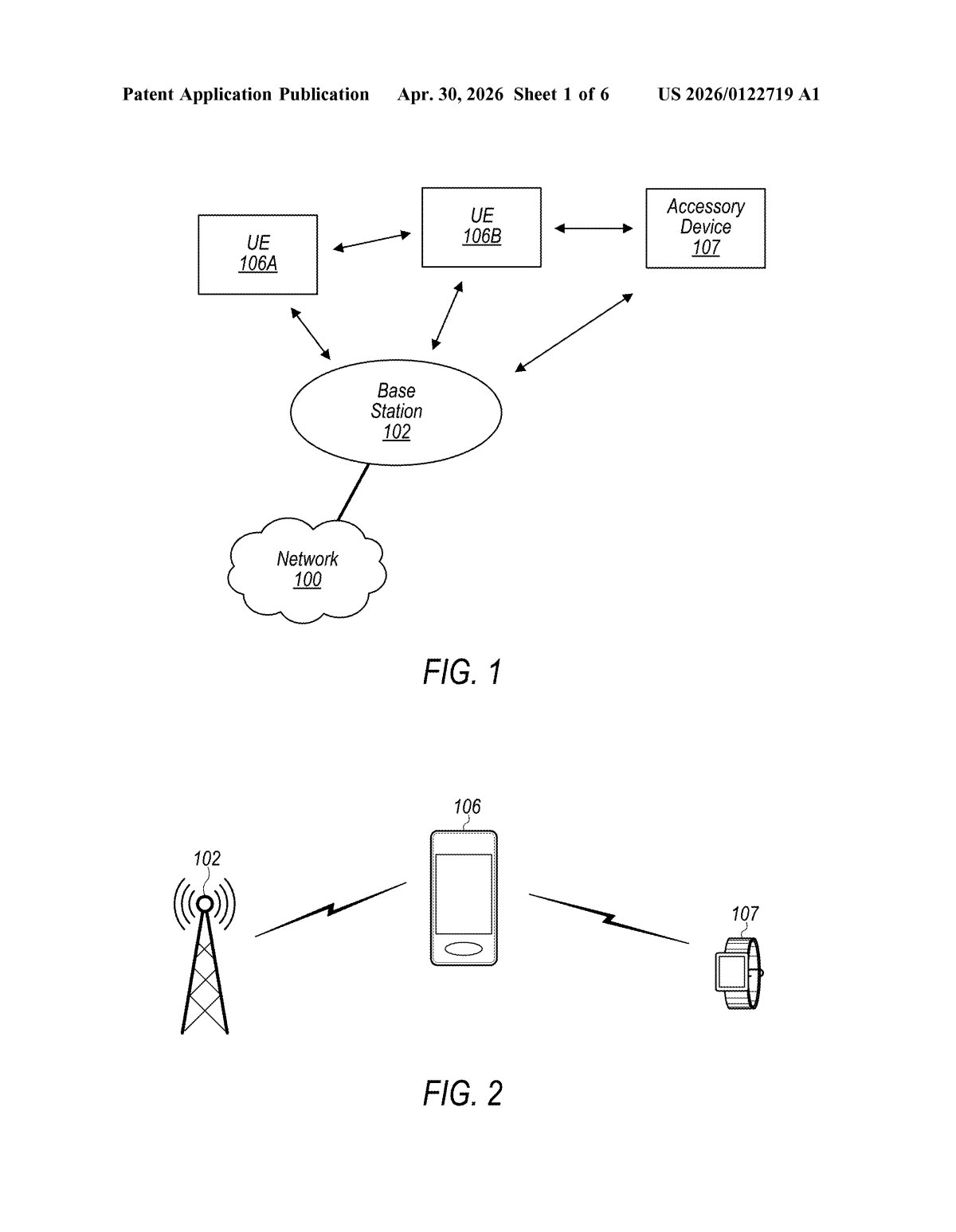
What Apple's automatic connection recovery actually does
Imagine you're sending a file from your phone and the connection stutters. Right now, your device quietly retries in the background, but it's doing the same thing over and over — which doesn't help much if the signal is just bad.
Apple's patent describes a smarter approach. The moment your phone detects it has to retry sending a chunk of data, it automatically kicks into a higher-reliability mode. That means it starts sending multiple copies of your data simultaneously, across more than one radio pathway, so that if one path drops, another gets through.
Think of it like mailing an important letter — except instead of sending one copy and crossing your fingers, your phone suddenly starts sending three copies via different routes the moment it suspects the first one got lost. The system can also boost transmit power and adjust internal timers to recover faster. All of this happens automatically, without you doing anything.
How Apple's PDCP duplication switching works under the hood
The patent centers on a protocol called PDCP duplication — PDCP stands for Packet Data Convergence Protocol, which is basically the layer in your phone's radio stack responsible for packaging and delivering data reliably. "Duplication" means the phone intentionally sends multiple copies of the same data packet across separate radio paths at once.
Normally, your phone might already have PDCP duplication turned on at a baseline level — sending, say, two copies. What this patent adds is dynamic escalation: the instant the phone detects an uplink retransmission (meaning a packet you sent wasn't acknowledged and needs to be resent), it automatically switches to a higher-duplication mode, sending even more copies over additional RLC entities (Radio Link Control entities — essentially separate logical radio channels that can carry traffic independently).
Beyond duplication, the patent also describes a toolkit of other escalation tactics the system can deploy:
- Boosting transmission power to punch through interference
- Adjusting internal timer durations so the phone waits longer or shorter before giving up or retrying
- Pulling in a different network node to help relay or recover the data
The switching logic is automatic and triggered by real-time detection of retransmission events — no user input required.
What this means for iPhone reliability in weak signal zones
For everyday iPhone users, this patent points toward a future where weak signal areas — think building basements, crowded stadiums, rural roads — cause fewer visible disruptions. Instead of your app freezing or a call dropping, the phone escalates its effort invisibly, buying enough reliability to keep things running.
For Apple strategically, this is about owning more of the modem stack. Since Apple is developing its own cellular modem (the C1 chip debuted in early 2025), having patented, proprietary reliability algorithms gives Apple direct control over behaviors that Qualcomm chips previously handled — a meaningful competitive lever as Apple pushes deeper into its own silicon.
This is a genuinely useful piece of radio engineering, not a flashy concept demo. The core idea — automatically escalating data duplication the moment a retransmission is detected — is a practical, well-scoped improvement that fits neatly into Apple's push to differentiate its in-house C1 modem. It's worth watching precisely because it's unglamorous: these are the kinds of real-world reliability wins that make or break modem reputation.
There are more where this came from
We read every patent application Big Tech publishes and send you the ones worth knowing. Plain English, free, every week.
Want this weekly breakdown for a company we don't cover? Patentlyze Pro →