
Apple Patents a Hybrid Magnetic Voice Coil to Squeeze Better Sound from Tiny Speakers
Apple is rethinking one of the oldest parts of speaker design — the voice coil — by weaving magnetic wire into it so the coil itself helps push the diaphragm, rather than fighting it.
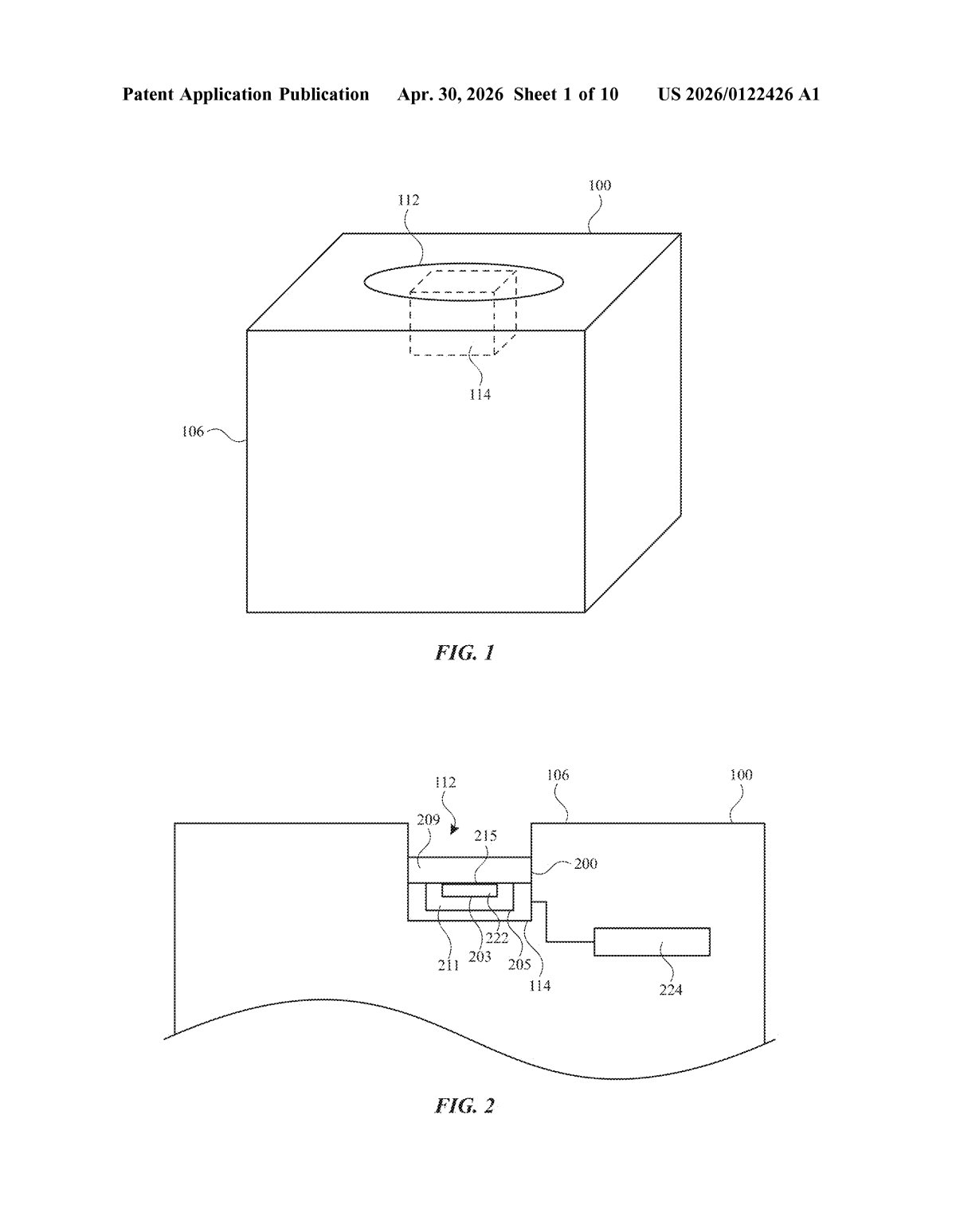
What Apple's magnetic voice coil trick actually does
Imagine a tiny speaker inside your phone or earbuds. At its heart is a thin coil of wire that vibrates back and forth to produce sound. The problem is that the suspension holding that coil in place is stiff — like a spring pushing back — and that stiffness limits how far the cone can move, especially at low frequencies like bass. The stiffer the system, the harder it is to get rich, full sound out of a small driver.
Apple's patent describes a voice coil built from two types of wire: the usual non-magnetic copper windings that carry the audio signal, and an additional set of windings made from a magnetic material. Those magnetic windings interact with the speaker's permanent magnets to actively assist — or counteract — the mechanical spring force, effectively reducing stiffness on demand.
The result, in theory, is a small speaker that can move more freely and go deeper into the bass range without needing a bigger, heavier driver. That's a meaningful engineering win when you're trying to fit great audio into something the size of an AirPod.
How magnetic windings cancel out speaker stiffness
A conventional voice coil is just a cylinder of copper wire sitting inside a magnetic gap. When audio current flows through it, the electromagnetic interaction with a permanent magnet drives the coil (and the attached diaphragm) back and forth. The mechanical suspension — the spider and surround — holds everything centered but introduces stiffness (a restoring force that opposes cone movement, analogous to how a stretched rubber band wants to snap back).
Apple's patent adds a second set of windings inside the same coil assembly, wound from a ferromagnetic or permanently magnetic material. These windings don't carry the audio signal — instead, their magnetic properties interact directly with the speaker's existing permanent magnets. The patent describes tuning this interaction to create a net negative stiffness effect: the magnetic attraction or repulsion partially cancels out the mechanical spring-back of the suspension.
The filing specifically mentions a tri-stable system — meaning the moving assembly can settle into three distinct equilibrium positions rather than just one. This is an unusual configuration borrowed from precision mechanics and MEMS research; it allows the designer to set up the magnetic geometry so the "negative stiffness" zone coincides with the coil's normal operating travel.
- First winding set: standard non-magnetic wire (e.g., copper) carrying the audio signal
- Second winding set: magnetic-material wire providing passive magnetic assist
- Permanent magnet(s): interact with both sets of windings, enabling the stiffness-reduction effect
What this means for iPhone and AirPod audio quality
Stiffness is one of the core constraints that keeps tiny speakers from sounding like bigger ones. Reducing it mechanically — without enlarging the driver or adding a separate actuator — means you could get meaningfully deeper bass or higher efficiency from the same physical footprint. For devices like AirPods, HomePod mini, or iPhone, where every cubic millimeter is contested, that's a real engineering lever.
This also fits a broader pattern: Apple has been quietly accumulating speaker and transducer patents for years, and its audio hardware (especially HomePod) has consistently punched above its weight. A passive magnetic stiffness-reduction system adds no extra power draw, no extra DSP load, and no new failure modes beyond the magnets themselves — which makes it an attractive option for a company that ships hundreds of millions of audio devices per year.
This is genuinely clever low-level physics applied to a problem every consumer audio engineer knows well. The tri-stable magnetic architecture is not a trivial idea — it has real precedent in precision sensing and MEMS, and applying it to a consumer voice coil is an interesting crossover. Whether it survives the cost and manufacturing tolerances of mass production is another question, but the underlying concept is solid.
There are more where this came from
We read every patent application Big Tech publishes and send you the ones worth knowing. Plain English, free, every week.
Want this weekly breakdown for a company we don't cover? Patentlyze Pro →