
Apple Patents a Fix for Smart Home Systems That Think You've Moved
Your phone knows your home address, but what happens when it gets confused and decides you've moved? Apple's latest patent is a small but sensible fix for that exact problem in home automation systems.
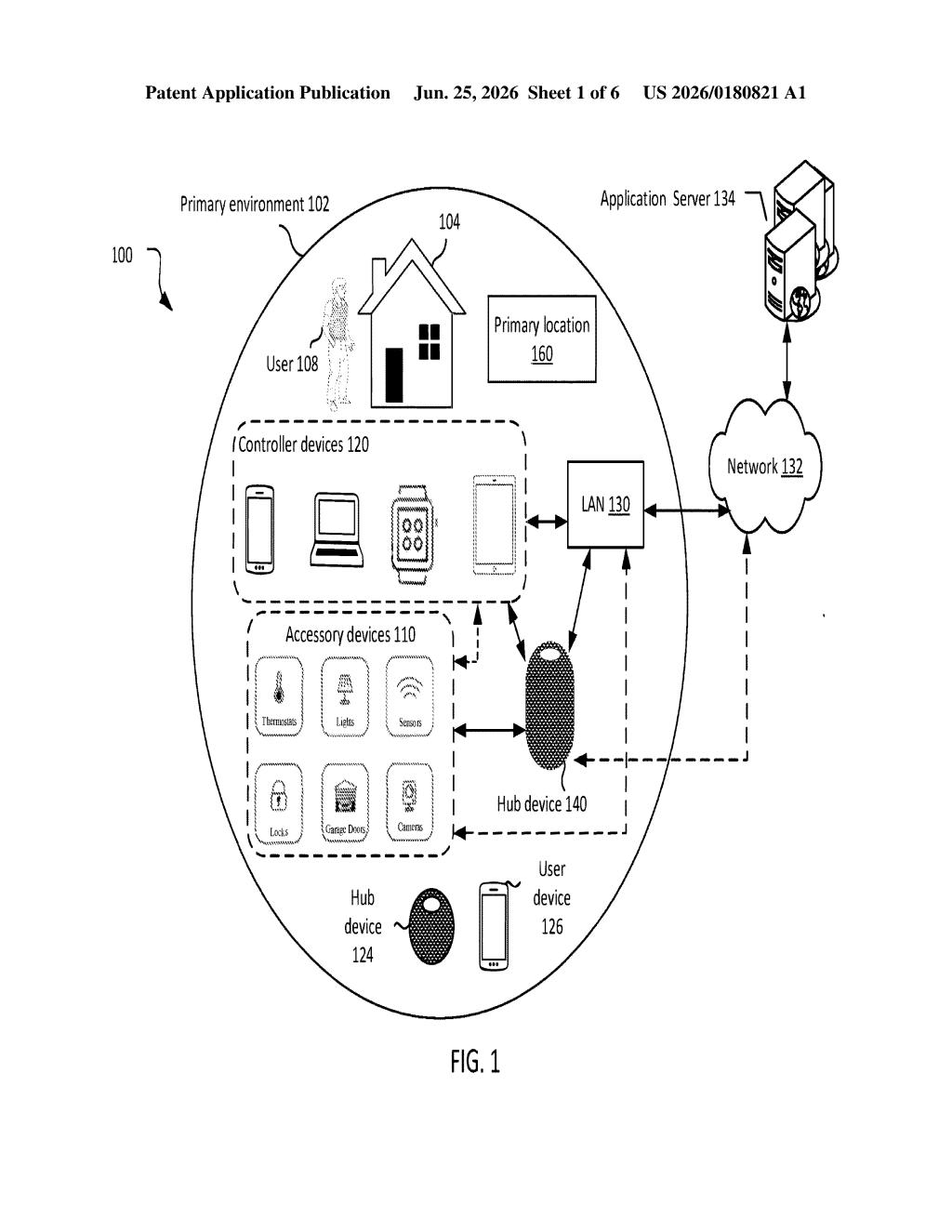
What Apple's home location lock-in actually does
Imagine your iPhone decides your smart home is located somewhere completely different from your house, maybe because you were at a friend's place for a few hours. Suddenly your lights, locks, and thermostat think "home" is the wrong address. That's the kind of quiet, frustrating bug this patent is designed to prevent.
Apple's solution is straightforward: before your device updates the registered address of your home automation system, it first checks whether there are familiar home devices visible on the current Wi-Fi network. If your home hub, your smart speaker, or another known device shows up, the update goes through. If nothing familiar is found, your phone holds off and keeps the original address locked in.
The check is also restricted to Wi-Fi only, not cellular, which makes sense because being on your home Wi-Fi network is one of the strongest signals that you're actually at home. It's a small guardrail, but one that prevents a real category of accidental misconfiguration.
How the resident device check prevents false location updates
The patent describes a method running on a user device (an iPhone or iPad, most likely) that governs when a home automation system's registered location is allowed to change.
Here's the sequence:
- The device is already associated with a home automation system at a known primary location.
- When the device is connected to a network, it sends out a discovery message to find a "resident device" on that same network. A resident device is any device that belongs to or lives at the home (think a HomePod, Apple TV, or smart home hub).
- If a resident device responds, the system treats this as confirmation that the user is at the actual home location and allows the primary location to update to match the current network's location.
- If no resident device responds, the system does nothing and keeps the original home address intact.
Critically, the patent specifies that the discovery and update message must be sent over Wi-Fi, not a cellular connection. This is a deliberate restriction: being on a Wi-Fi network is a much stronger indicator of physical presence than cellular data, which works everywhere.
The overall design is a two-factor check for location: network presence plus device presence, before any home address gets changed.
What this means for HomeKit and home automation reliability
For anyone using Apple's HomeKit or a similar home automation platform, your phone's registered home location controls a lot of things: automations that trigger when you arrive or leave, privacy zones, and regional settings for smart devices. If that address drifts to the wrong place, your automations can behave erratically and you might not even notice why.
This patent addresses a real edge case that becomes more likely as people carry their devices everywhere and connect to many different Wi-Fi networks. The fix is narrow and specific, not a platform overhaul, but it points to Apple tightening the reliability of HomeKit's location logic as home automation becomes a more central feature of its ecosystem.
This is a small, defensive patent that solves a genuine but niche problem. It's not the kind of filing that previews a new product category, but it does signal that Apple is sweating the details on HomeKit reliability. If you've ever had a smart home automation fire off at the wrong time for no obvious reason, you'll understand exactly why this guard rail matters.
There are more where this came from
We read every patent application Big Tech publishes and send you the ones worth knowing. Plain English, free, every week.
Want this weekly breakdown for a company we don't cover? Patentlyze Pro →