
Apple Patents Technology Letting Siri Complete Multi-App Actions With a Single Command
Say one phrase to Siri and watch it complete a chain of tasks across different apps, telling you how each one went. That's the idea at the center of Apple's latest voice-shortcut patent.
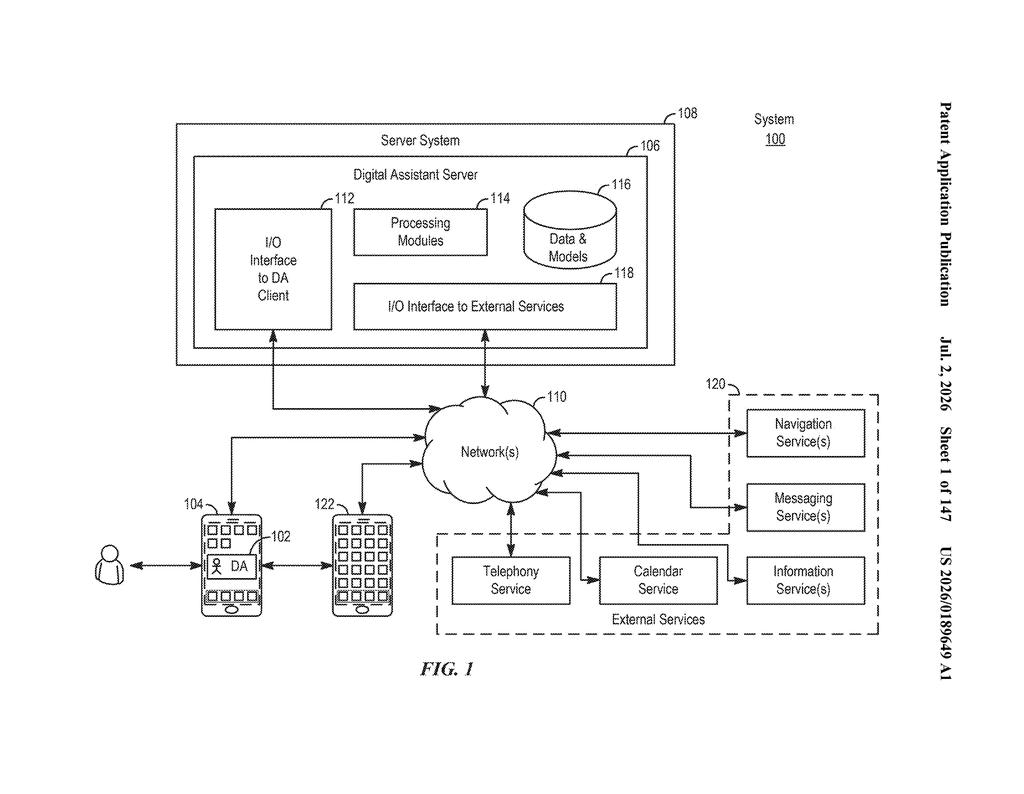
What Apple's multi-app voice shortcut system actually does
Imagine saying "start my commute" and having your phone automatically text your partner you're leaving, queue up a podcast in one app, and set your smart thermostat to away mode in another. Right now, Siri can do some of this, but the handoffs between apps are clunky and you usually can't tell what actually worked.
Apple's patent describes a system where a single voice phrase, called a voice shortcut, kicks off a series of tasks spread across multiple apps. Critically, the device reports back on each step individually: "Your message was sent." "Your podcast is loading." You're not left guessing which parts worked.
The patent also covers a smarter confirmation step. For tasks that are easy to undo, the device just does them. For tasks with bigger consequences, like sending money or deleting a file, it shows you a confirmation screen first. So the system tries to stay out of your way while still protecting you from costly mistakes.
How the device sequences tasks and reports back on each one
The core of the patent is a voice shortcut that maps to a set of tasks rather than just one. When the device hears a natural-language phrase that matches a saved shortcut, it checks whether the input meets the shortcut's criteria, then works through the task list one item at a time.
Each task is handled by a different app. The device performs the first task using the first app, then immediately gives you a status response (a spoken or on-screen confirmation that it succeeded or failed) before moving on to the second task in a second app. This sequential feedback loop is what the patent specifically highlights.
The system also applies a two-tier logic to simpler, single-tap suggestions:
- First-type tasks (low-risk or easily reversible): executed immediately with no interruption.
- Second-type tasks (higher-stakes or harder to undo): a confirmation screen appears first, requiring an explicit tap before anything happens.
The device uses a suggestion affordance (a button or prompt the system surfaces proactively) to present potential tasks to the user, which means the system isn't just waiting for commands but anticipating what you might want to do next.
What this means for Siri's role as a hands-free assistant
For everyday users, this is the difference between a voice assistant that feels like a party trick and one that actually handles multi-step work. Right now, automating tasks across apps on iPhone typically means building a Shortcuts workflow manually, which is something most people never do. A patent like this points toward a Siri that handles multi-app sequences from a single spoken phrase, no workflow editor required.
From Apple's strategic angle, this is about making Siri competitive with newer AI assistants that can chain actions across services. The step-by-step feedback design is also notable: it treats the user as someone who wants to stay informed, not just someone handing off control and hoping for the best. That's a meaningful design philosophy for any hands-free use case like driving or cooking.
This is a genuinely useful UX improvement, not a flashy AI demo. The per-task feedback loop is the real insight here: chaining actions across apps is only trustworthy if you know which steps succeeded. Apple is clearly trying to make Siri automation something normal people will actually use, and this patent suggests a concrete path toward that.
Get our take in your Top Stories
Liked this breakdown? Add Patentlyze as a preferred source on Google, and our plain-English take shows up more often in your Top Stories the next time Apple patent news breaks.
There are more where this came from
We read every patent application Big Tech publishes and send you the ones worth knowing. Plain English, free, every week.
Want this weekly breakdown for a company we don't cover? Patentlyze Pro →