
Apple Patents Screen Touch Detection That Keeps Working When Water Gets On It
Touchscreens and water have never gotten along well. Apple is working on a fix built directly into the display's light sensors.
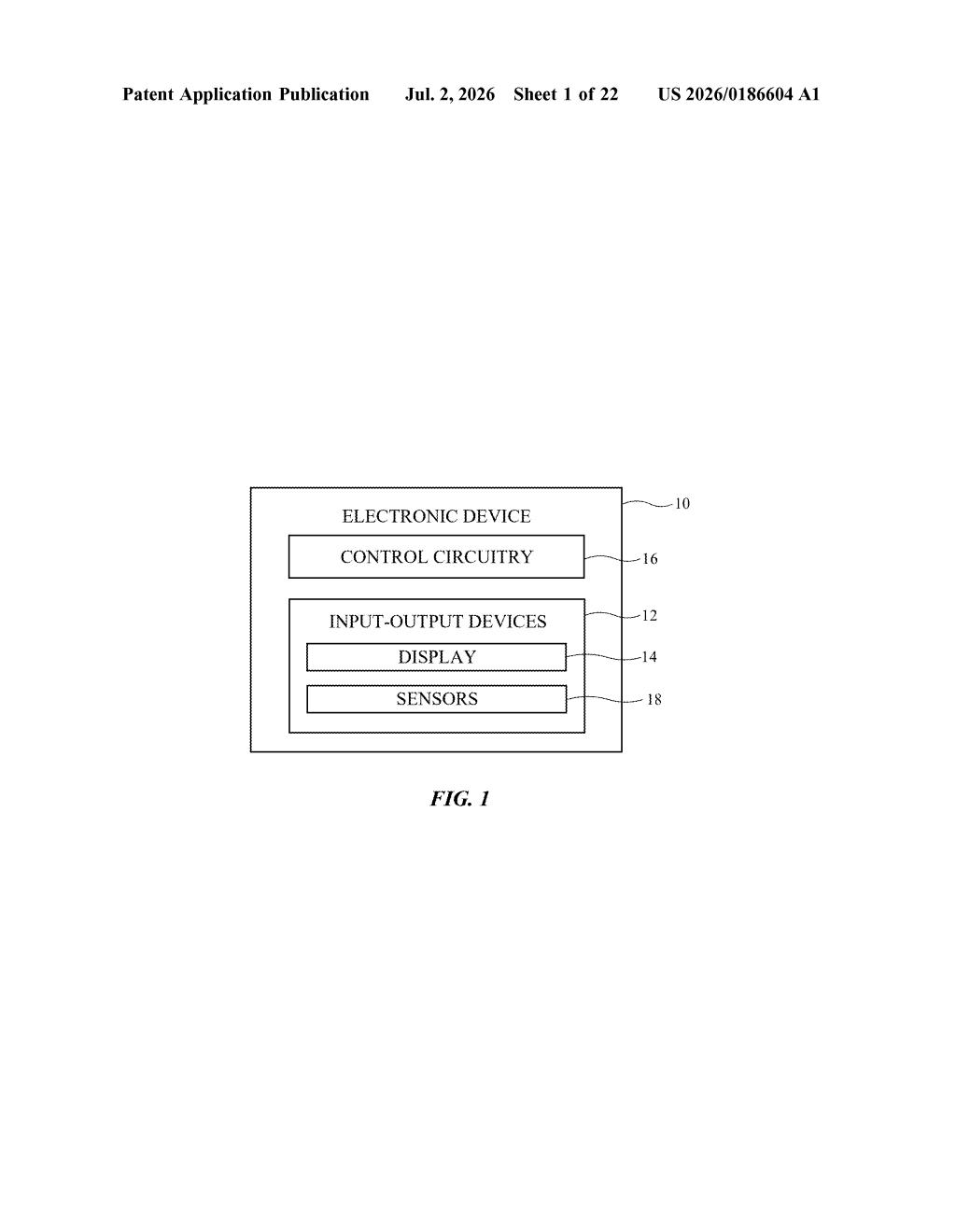
How Apple's display tells a wet finger from a water drop
Imagine you're trying to skip a song while your hands are wet from washing dishes, or you're using your phone in the rain. Most touchscreens can't tell the difference between your finger and a water droplet sitting on the glass, so they either freeze up or go haywire with phantom taps.
Apple's patent describes a new kind of optical touch sensor built into the display itself. Tiny light emitters and light detectors are embedded in the screen, and they shine light upward toward the glass surface. When something touches the screen, the light bounces back differently depending on whether it's a finger or water. The sensors are designed with physical shields (called baffles and masks) that only let light travel at very specific angles, so the detector only "sees" the kind of reflection that a real finger produces.
The clever part is an interference filter, a thin layer that only lets through light coming from angles above a specific threshold tied to the physics of how water sits on glass. A finger touches at one angle; a water droplet reflects at another. The display can tell them apart.
How the angled light filter separates finger touches from moisture
The patent describes a photodiode (a light-detecting chip) that has a built-in physical structure to control exactly which angles of incoming light it can detect. A standard photodiode would pick up light coming from almost any direction. This one has a light-blocking layer sitting above the sensor, with a precisely shaped inner baffle and an outer mask portion that together create a narrow aperture, basically a slot that only admits light traveling within a defined range of angles.
The display also uses interference filters placed over both the light sources and the detectors. These filters work by exploiting a physical rule called the critical angle, the specific angle at which light stops passing through a surface and instead bounces straight back. For a water-glass interface, this angle is fixed by the physics of the materials. A filter tuned to transmit light above that critical angle will respond strongly to a finger (which makes optical contact with the glass at steeper angles) while mostly ignoring water droplets (which sit on top of the glass and bounce light back at shallower angles).
The baffles and masks can be fabricated directly during the photodiode manufacturing process, so they aren't add-ons glued on later. This keeps the sensor compact enough to embed inside a display panel.
What this means for touchscreens in rain, kitchens, and pools
Current capacitive touchscreens use electrical fields to detect touch, which water disrupts because water conducts electricity. Optical touch detection sidesteps that problem entirely, but only if the sensors can reliably ignore water droplets. This patent's angle-filtering approach is a hardware-level answer to that challenge, meaning it doesn't rely on software guessing games.
If this makes it into a real product, it would mean your iPhone or iPad keeps working normally even when wet, without a special "wet hands" mode or extra calibration steps. That's genuinely useful in kitchens, bathrooms, outdoor workouts, and anywhere else water and screens currently don't mix.
This is solid, practical engineering work aimed at a real annoyance that millions of people hit every day. It's not glamorous, but solving the wet-screen problem at the hardware level rather than papering over it in software is the right approach. The physics-based filtering idea is genuinely clever.
Get our take in your Top Stories
Liked this breakdown? Add Patentlyze as a preferred source on Google, and our plain-English take shows up more often in your Top Stories the next time Apple patent news breaks.
There are more where this came from
We read every patent application Big Tech publishes and send you the ones worth knowing. Plain English, free, every week.
Want this weekly breakdown for a company we don't cover? Patentlyze Pro →