
Apple Patents a Way for Earbuds to Detect When You Put Them On
Your AirPods already pause when you yank one out, but Apple is working on a more power-efficient way to figure out whether you're wearing them at all, and it starts by just listening.
What Apple's wear-detection microphone trick actually does
Imagine pulling your AirPods out of the case and slipping them into your ears. Right now, your earbuds use sensors like proximity detectors or skin-contact detectors to figure out they're being worn. Those sensors can burn battery even when nothing is happening.
Apple's new patent describes a two-step approach. First, the device's microphone listens for specific sounds that suggest you're putting it on, like the rustle of fabric or the acoustic change that happens when an earbud moves toward your ear canal. That audio check costs very little power.
Only if the microphone picks up something interesting does the device wake up a second, more power-hungry sensor to confirm you're actually wearing it. Think of it like a light sleeper who only calls you when something is worth checking. The result is a device that knows its own donning state (on, off, or in the process of going on or coming off) while wasting as little battery as possible doing so.
detecting, using a microphone of a device, a first donning indicator that indicates that the device is being donned by a user; performing, based on the detecting, a donning detection operation with a sensor separate from the microphone; and setting an operational state of the device based on whether a second donning indicator is detected by the donning detection operation.
Translation: The earbuds first listen for you putting them on, then use another sensor to confirm before changing modes.
How the two-stage donning detection pipeline works
The patent describes a method with two distinct stages, each using a different sensor.
Stage 1 (microphone, low power): A microphone continuously listens for what the patent calls a donning indicator, an acoustic signal that suggests the device is being put on or taken off. This could be the sound of the device moving near an ear, a change in the ambient sound environment, or physical handling noise. Because a microphone can run in a low-power listening mode, this first check costs relatively little energy.
Stage 2 (secondary sensor, triggered): If the microphone detects that first indicator, the device wakes up a separate sensor, such as a proximity sensor or skin-contact sensor, to run a more definitive donning detection operation. That secondary sensor then looks for a second confirming signal before the device officially changes its operational state.
The final operational state (worn, unworn, being donned, or being doffed) is only set after both stages agree. This two-gate approach means the power-hungry sensor sits idle most of the time, only switching on when the microphone has already flagged a likely event.
- Microphone acts as a low-cost first filter
- Secondary sensor runs only when needed
- Device state updates based on both signals together
A microphone may be used to identify one or more acoustic indicators of whether a device is being worn, is unworn, or is in the process of being put on (donned) or taken off (doffed).
Translation: The device uses sound to figure out if you are currently wearing it, taking it off, or putting it on.
What this means for AirPods battery life and auto-pause
Auto-pause, transparency mode, active noise cancellation, and Siri activation all depend on a wearable knowing whether it's in your ear or sitting on your desk. Getting that detection wrong wastes battery, interrupts audio, or delays a feature kicking in. A smarter, staged detection system means fewer false positives and less idle power drain, which adds up noticeably over a full day of use.
For AirPods and other Apple wearables, this kind of efficiency work is where real-world battery life improvements actually come from. It's not a new chip or a bigger cell; it's being careful about when you wake things up. If this approach ships, you'd likely notice it as slightly longer battery life and more reliable auto-pause behavior, without any change to how you use the device at all.
This is quiet, unglamorous engineering that directly affects how long your earbuds last on a charge. Apple has already shipped wear-detection in AirPods, so this patent is clearly about making that existing feature less power-hungry, not inventing something from scratch. That's a good sign it's closer to shipping than a speculative concept.
There are more where this came from
We read every patent application Big Tech publishes and send you the ones worth knowing. Plain English, free, every week.
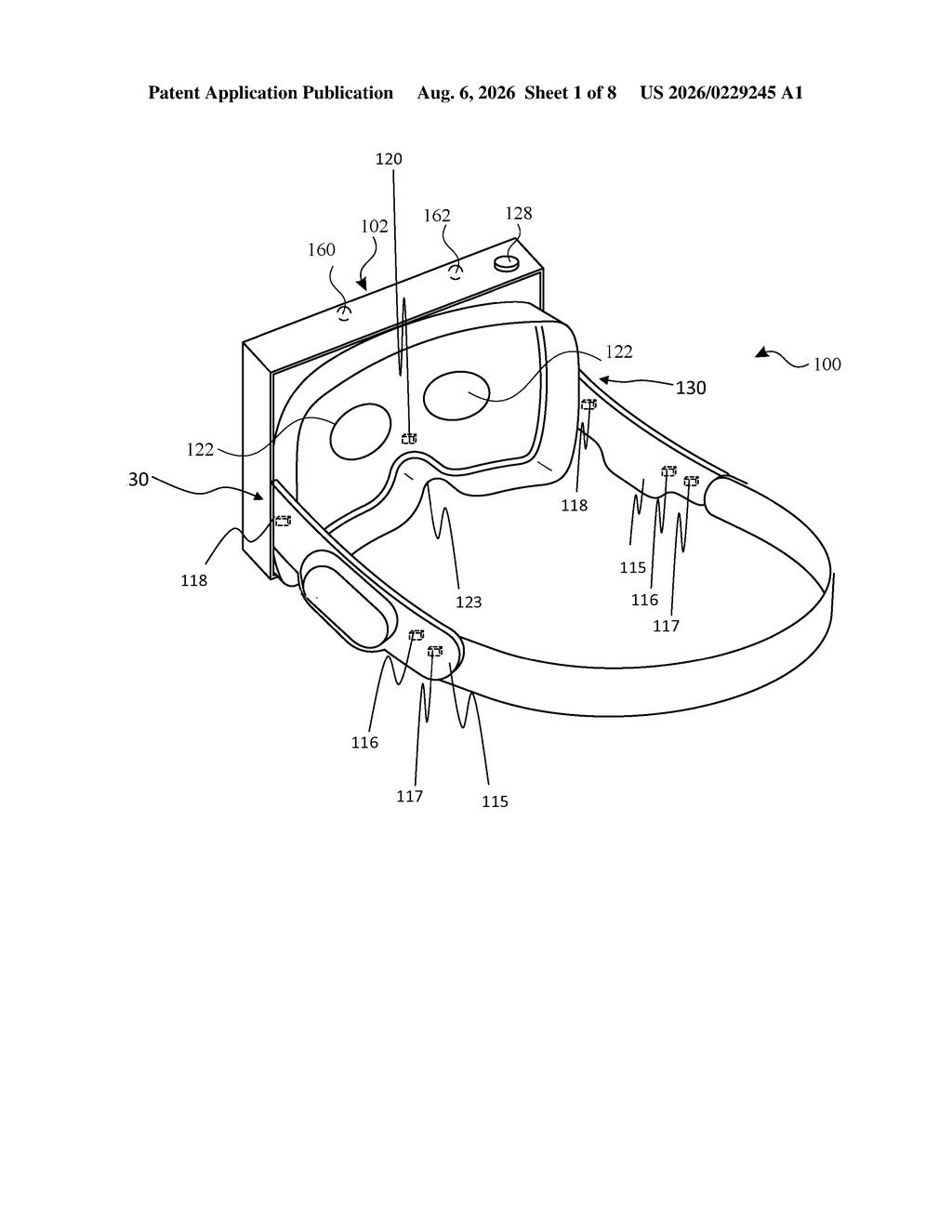
The drawings
8 drawing sheets from US 2026/0229245 A1 · click any drawing to enlarge


Want this weekly breakdown for a company we don't cover? Patentlyze Pro →
Be the first to weigh in