
Samsung Patents a System That Auto-Matches Colors Across Multiple Monitors
If you've ever plugged a second monitor into your PC and spent twenty minutes tweaking brightness and color temperature to make it look remotely like the first, Samsung's new patent is aimed squarely at that frustration — and it automates the whole process.
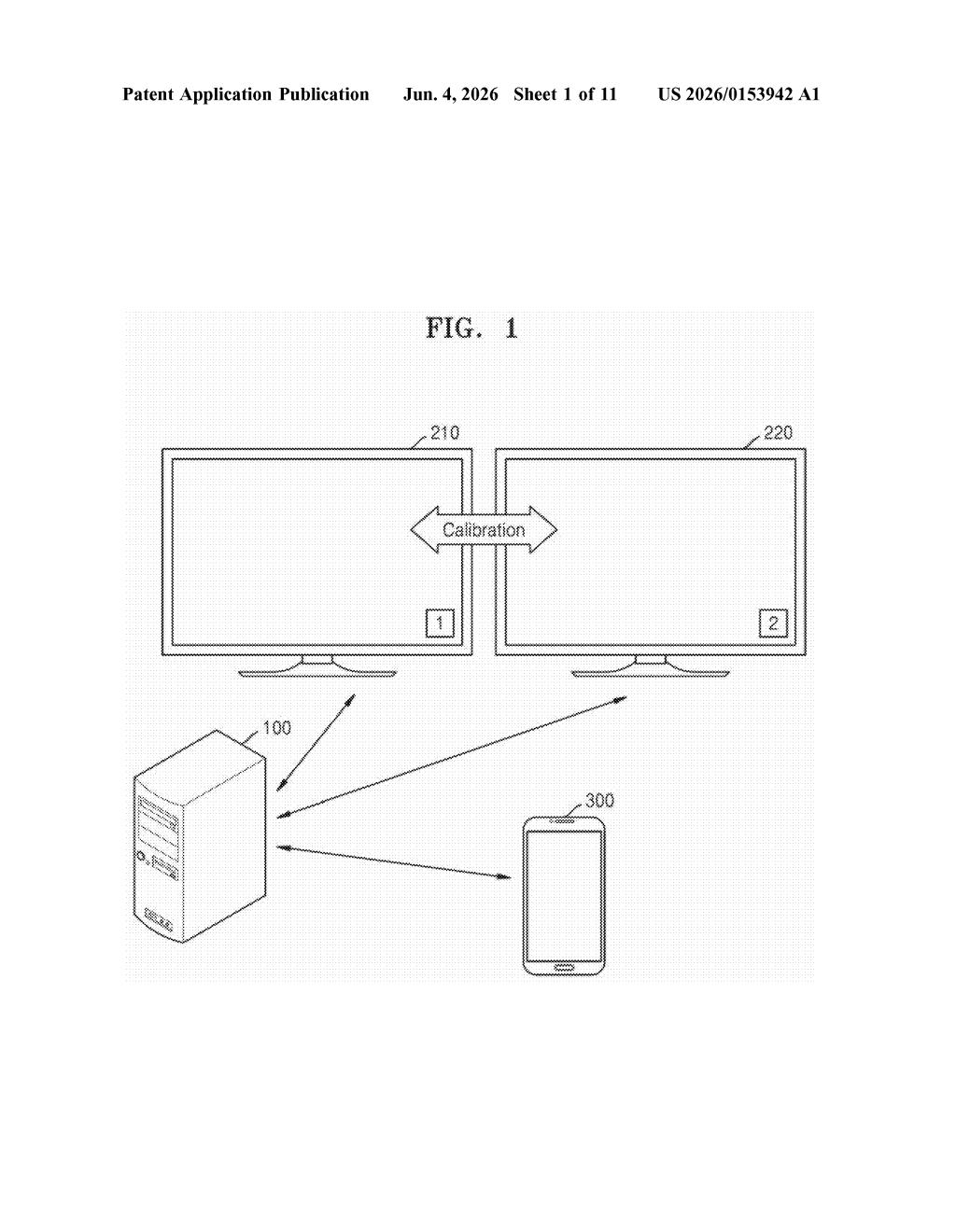
What Samsung's multi-monitor color calibration actually does
Imagine you have two monitors side by side. One looks warm and slightly yellow; the other looks cool and bluish. Getting them to match is usually a manual chore — you squint, adjust, compare, and repeat. Samsung's patent describes a system that does this automatically.
Here's the idea: an external device (think a camera or a color sensor) measures the color output of your reference monitor — the one you're happy with. Then, the system takes control of your second monitor and runs it through a series of color setting changes, measuring the result each time. When it finds the settings that produce the closest match to the first screen, it locks them in.
You don't have to touch a single slider. The device does the iterating, the measuring, and the selecting for you. For designers, photographers, or anyone who works across two screens, consistent color is genuinely important — and right now it's surprisingly hard to achieve without expensive calibration hardware and a lot of patience.
How the iterative color-matching loop works
The patent describes an electronic device — likely a PC or hub — that coordinates a multi-step color calibration loop between two monitors and an external measuring device (such as a colorimeter or camera).
The process works like this:
- The external device captures first color data from the reference display — a snapshot of what that screen is actually outputting.
- The host device then commands the second display to cycle through a set of screen setting configurations (brightness, color temperature, gamma, etc.) one by one.
- After each change, the external device captures a new color reading from the second screen — a piece of second color data corresponding to that specific configuration.
- Once all configurations have been sampled, the processor compares each reading against the reference and selects the configuration that produces the closest match.
- The winning configuration is then applied to the second display automatically.
The key technical insight is the iterative sampling loop — rather than relying on a look-up table or pre-programmed profiles, the system empirically tests each possible setting against real measured output. This approach can account for variance between individual display panels, ambient conditions, or cable signal differences that static profiles would miss.
What this means for multi-display desktop setups
Multi-monitor color consistency is a persistent pain point for creative professionals — photographers, video editors, and graphic designers who need their screens to agree on what a color actually looks like. Today, solving this properly requires dedicated calibration hardware and software that can cost hundreds of dollars. Samsung's approach embeds the coordination logic into the host device itself, which could make accurate calibration accessible without separate tooling.
For everyday users, even a basic version of this — automatically matching a new monitor to an existing one during setup — would be a meaningful quality-of-life improvement. If Samsung integrates this into its DeX platform or Galaxy Book lineup, it could become a quiet differentiator for productivity-focused setups where display consistency actually matters.
This is a practical, unsexy patent that solves a real problem. Color calibration across multiple monitors is genuinely annoying today, and automating it at the device level is a sensible direction. It's not a flashy AI play, but it's the kind of polish that professionals notice immediately — and Samsung shipping this in a future Galaxy Book or monitor driver would be a legitimate selling point.
There are more where this came from
We read every patent application Big Tech publishes and send you the ones worth knowing. Plain English, free, every week.
Want this weekly breakdown for a company we don't cover? Patentlyze Pro →