
Samsung Patents a Self-Correcting 3D Display That Fixes Its Own Sync Problems
If you've ever watched a 3D movie and noticed the image going slightly double or ghostly, you've experienced a sync problem between the screen and the polarizing filter. Samsung's new patent describes a display that catches and corrects that drift on its own.
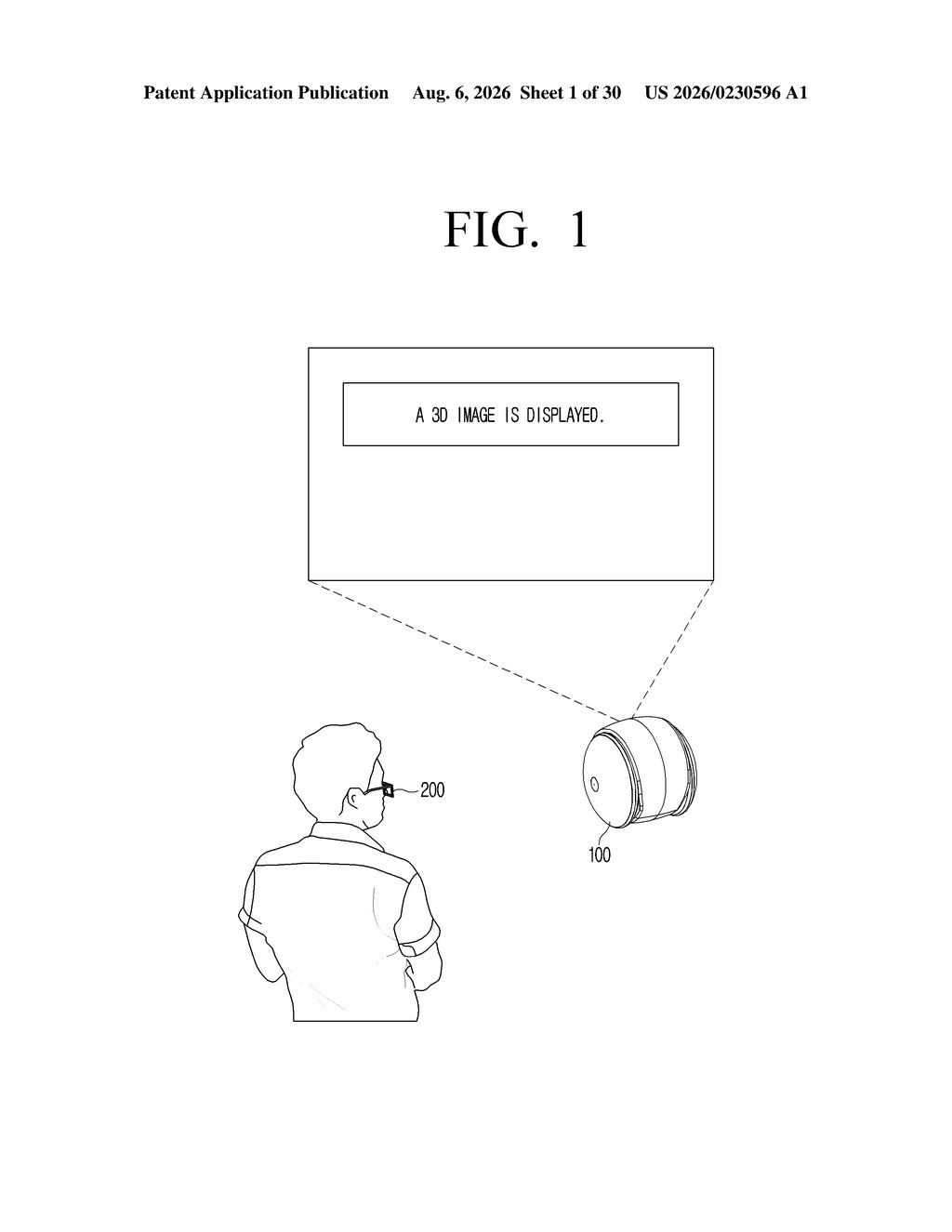
What Samsung's polarization timing fix actually does
Think about how 3D screens work: the display flickers back and forth between two slightly different images, one for your left eye, one for your right. A filter in front of the screen (or built into your glasses) switches in sync, blocking each image from the wrong eye. If the timing between the screen and the filter gets even slightly off, the 3D effect breaks down and you get that blurry, ghostly double image.
Samsung's patent describes a system that monitors its own timing using a built-in light sensor. While the display runs test images, the sensor reads how much light is coming through the polarizing filter. If those readings don't match what they should be, the system knows the timing is off and adjusts it automatically.
You wouldn't need to do anything. The display would detect and fix the problem in the background, keeping the left-eye and right-eye images cleanly separated so the 3D effect stays sharp.
… alternately change, based on the second timing information, the variable polarization film to a first state configured to transmit a light oriented in a first direction or a second state configured to transmit a light oriented in a second direction …
Translation: It rapidly switches the polarizing filter to direct light for different eyes.
How the light sensor catches a sync drift and corrects it
The patent describes an electronic apparatus (likely a TV or monitor) that combines four key components: an image output module (the screen), a variable polarization film (a filter that switches between two polarization states), an illumination sensor (a light detector), and a processor that coordinates everything.
The system holds two sets of timing data. First timing information controls when the screen switches between the two test images. Second timing information controls when the polarization film switches its orientation to match. Ideally these two clocks stay perfectly aligned.
Here's the self-correction part: while the test images are running, the illumination sensor collects a group of light readings. If the polarization film and screen are in sync, the sensor should see a predictable pattern of bright and dark values. A mismatch in those readings tells the processor the timing has drifted. The system then decides which set of timing data to adjust, the screen's schedule, the filter's schedule, or both, to bring them back into alignment.
The process is automatic and designed to run without any input from the user, catching drift before it becomes noticeable.
… obtain, through the illumination sensor, a first illumination value group, and determine whether to correct one of the first or second timing information based on the first illumination value group …
Translation: It measures light sensors to figure out if the display timing needs adjustment.
What this means for 3D TVs and glasses-based displays
Polarization-based 3D displays depend entirely on precise timing. Even a millisecond of drift causes crosstalk (the wrong eye seeing part of the other eye's image), which shows up as ghosting or blur. Right now, manufacturers typically calibrate timing at the factory and hope it stays stable. Temperature changes, component aging, and power fluctuations can all cause drift over time. A display that recalibrates itself in the background solves that in a way static calibration cannot.
This is most relevant for dedicated 3D display products like high-end TVs, cinema-style home theater screens, or professional visualization monitors. Samsung has been quieter on consumer 3D in recent years, so this filing may signal renewed interest in the category, or it could be aimed at commercial or medical imaging displays where 3D accuracy is critical.
This is a narrow but real engineering problem with a clean solution. Sync drift in polarization-based 3D displays is a known, annoying failure mode, and building a sensor-based feedback loop directly into the hardware is a more reliable fix than relying on factory calibration alone. It won't matter to most people today, but if Samsung re-enters the 3D display market in any serious way, this kind of automatic correction is exactly the infrastructure you'd want underneath it.
There are more where this came from
We read every patent application Big Tech publishes and send you the ones worth knowing. Plain English, free, every week.
The drawings
30 drawing sheets from US 2026/0230596 A1 · click any drawing to enlarge


Want this weekly breakdown for a company we don't cover? Patentlyze Pro →
Be the first to weigh in