
Samsung Patents a Photo Album Tool That Fills Gaps With Related Pictures
Ask your phone to build a photo album around 'beach trip' and only get three pictures back. Samsung's new patent describes a system that automatically finds related photos to fill the gap, so you get a real album instead of a near-empty folder.
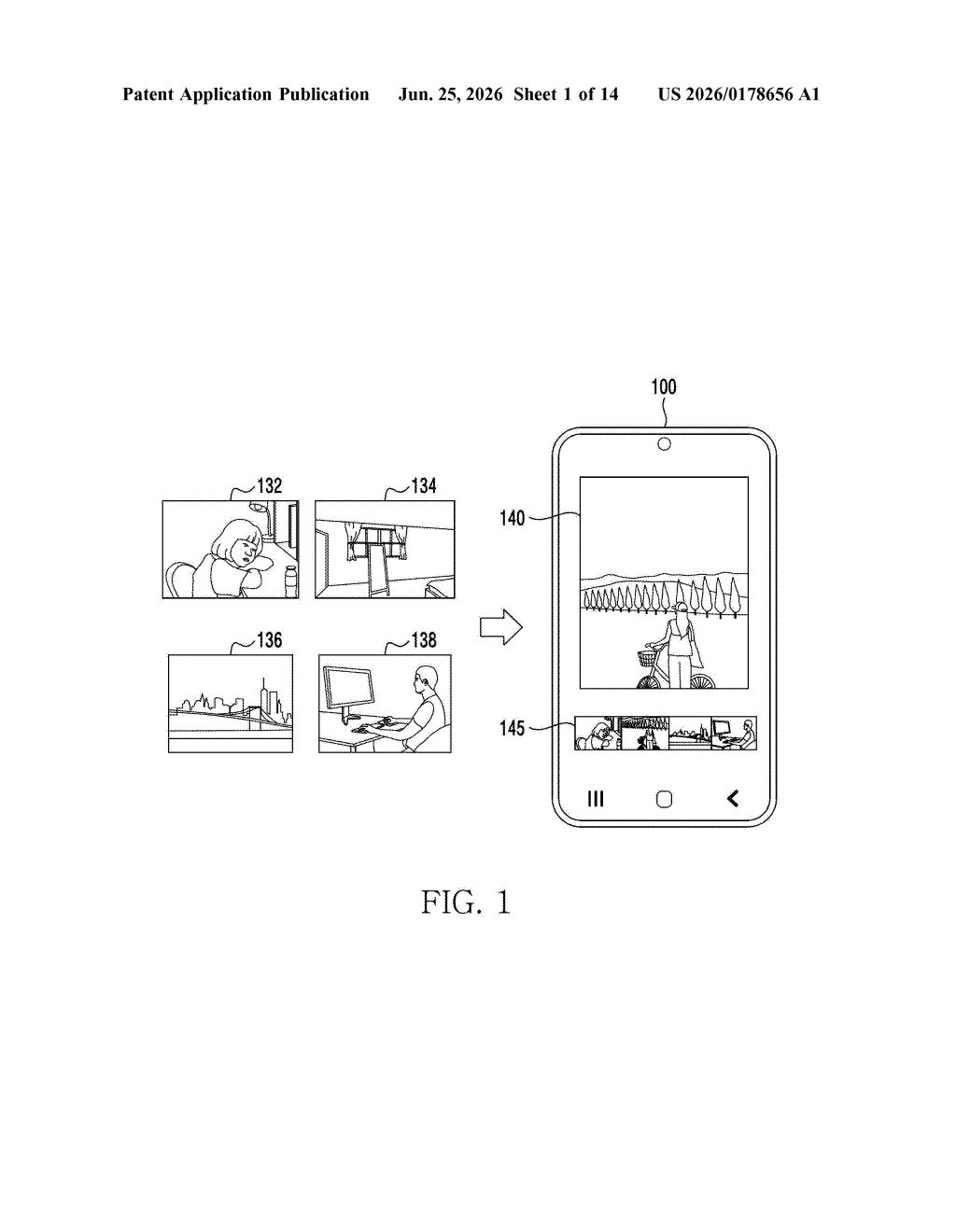
How Samsung's auto-fill album feature actually works
Imagine you ask your phone to make an album called 'summer vacation' but you only took a handful of photos that match those exact words. The album looks sparse and unfinished. Samsung's patent is a fix for exactly that problem.
The idea is straightforward: when your phone notices that a search for your chosen label turns up fewer photos than a useful album would need, it looks at the tags already attached to those photos and finds a related keyword. It then pulls in photos that match that keyword to round out the collection.
So if 'beach' only returns four shots, the system might notice those photos are also tagged 'sunset' or 'family,' then add other sunset or family photos until your album actually feels complete. You asked for one thing, and you get something genuinely useful back.
How the device picks a second keyword to pad the album
The patent describes a process built into an on-device gallery or media app. Here's the sequence:
- Step 1 (keyword match): The device searches its stored photos for anything tagged with the keyword the user typed, such as 'Paris' or 'birthday.'
- Step 2 (count check): If the number of matching photos falls below a set threshold (the 'reference number'), the system flags the album as too thin to generate on its own.
- Step 3 (secondary keyword discovery): Rather than failing or showing an empty result, the device looks at the metadata and tags already assigned to those few matching photos and picks a second keyword that appears frequently among them.
- Step 4 (expand and generate): Photos tagged with that second keyword are pulled in alongside the originals to build a complete media collection.
The patent is agnostic about how keywords get assigned in the first place, so the system could work with auto-generated AI tags, user-added labels, or location and date metadata. The core invention is specifically the fallback logic: detecting a thin result and bridging the gap with a derived keyword rather than returning nothing.
What this means for Galaxy gallery and album features
For Samsung Galaxy users, this kind of logic shows up most naturally in the Gallery app's auto-album and 'Memories' features. Right now, those features can produce weak or empty results if your photo library doesn't have enough content tagged exactly the way the app expects. A fallback keyword system like this one would make those features feel more reliable day-to-day, especially for people who don't manually tag their photos.
The broader signal is that Samsung is investing in making its on-device photo AI feel less brittle. When a feature fails silently or returns an empty result, most people just stop using it. A patent like this is less about flashy AI and more about filling in the rough edges that make built-in gallery tools frustrating to trust.
This is a genuinely useful, if unglamorous, patent. The problem it solves is real: auto-album features have a well-known failure mode where thin results just disappoint users into ignoring the feature. The fallback-keyword approach is a sensible fix. It's not a headline feature, but it's exactly the kind of polish that separates a gallery app people actually use from one they ignore.
There are more where this came from
We read every patent application Big Tech publishes and send you the ones worth knowing. Plain English, free, every week.
Want this weekly breakdown for a company we don't cover? Patentlyze Pro →