
IBM Patents a System That Scrubs Sensitive Chat History Before New Users Can See It
Ever scrambled to delete a message before someone with the wrong clearance level joined a work call? IBM is patenting a system that does that automatically — before the new person even arrives.
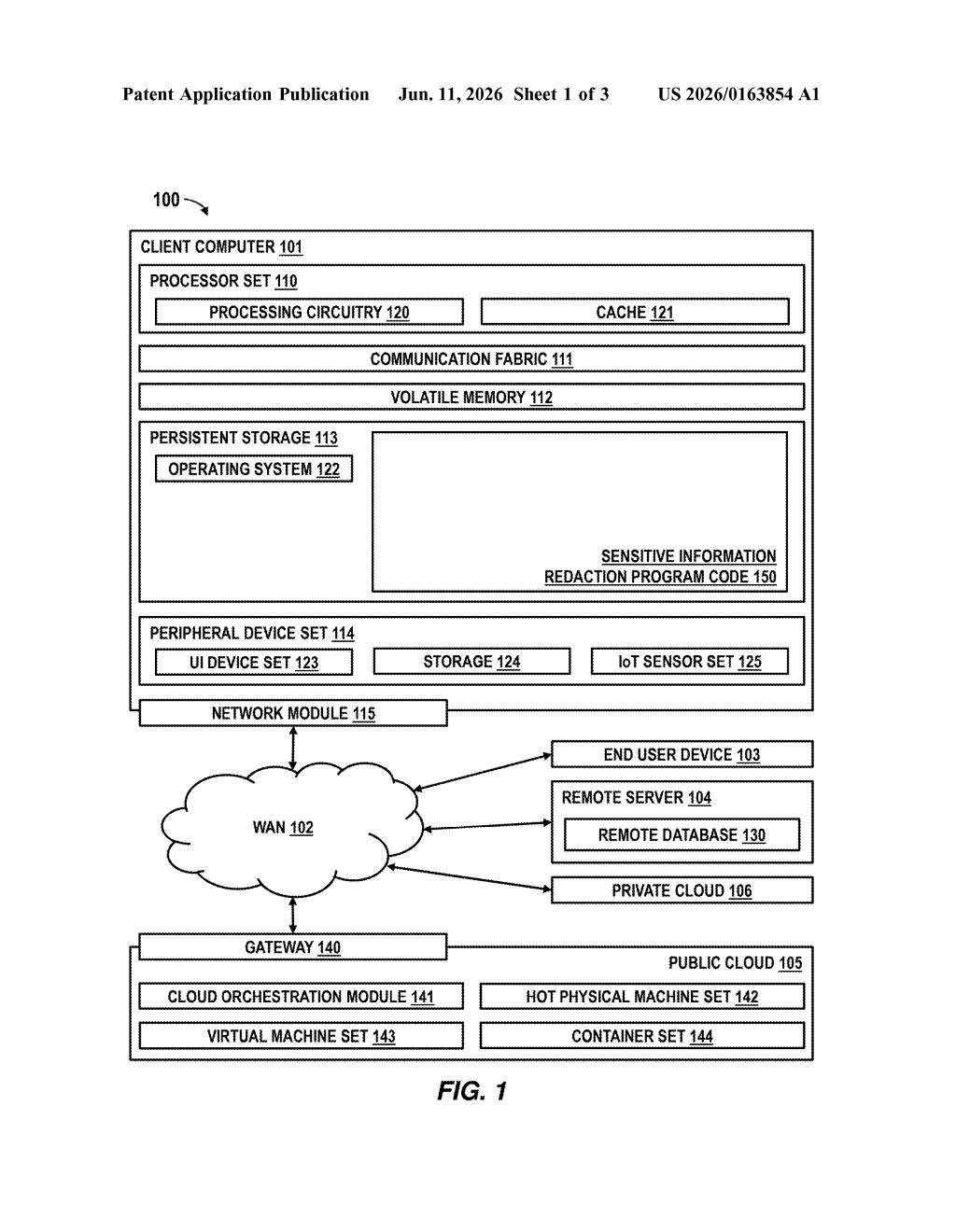
What IBM's auto-redaction for group chats actually does
Imagine your team is in a group chat discussing a confidential contract. A junior colleague is about to be added to the conversation. Before they can see a single word, the system automatically detects that some of the earlier messages are sensitive — and quietly hides or removes them from that person's view.
That's the core idea behind this IBM patent. It watches ongoing multi-user conversations in real time, figures out which messages contain sensitive information, and checks the clearance level of anyone who's about to join. If the incoming person doesn't have the right access, the system pauses the conversation and scrubs the sensitive parts before they arrive.
This isn't just about human-to-human chat. IBM's filing specifically frames it around multi-agent interactions — meaning it's designed for scenarios where AI assistants or bots are participants too, which makes the privacy problem both more complex and more urgent.
How IBM's system classifies, pauses, and redacts in real time
The patent describes a four-step automated process:
- Monitoring: The system watches an active conversation continuously, analyzing messages as they're sent.
- Classification: Content is automatically sorted into sensitivity tiers based on predefined rules — think of it like an automated security label applied to each message.
- Inference and pause: When a new user is about to join, the system runs a rule-based check (a structured decision process, not guesswork) to determine whether that person's clearance level is below the threshold for the sensitive content already shared. If so, it pauses the conversation.
- Redaction: Before the new user gains access, identified sensitive messages are redacted — removed or obscured — from what they'll see.
The system is built to handle multi-agent environments, meaning conversations that include AI bots or automated agents alongside human users. That's a meaningful design choice: AI agents can generate or relay sensitive content at machine speed, making manual oversight impractical.
The underlying clearance model is role-based — users are assigned thresholds, and the system enforces those thresholds dynamically as group membership changes.
What this means for enterprise chat and AI-agent workflows
In large enterprises, accidental disclosure of sensitive information in group chats is a genuine compliance risk — and existing tools mostly rely on humans to catch it. IBM's approach shifts that burden to automation, which matters most in environments where conversations move fast and include AI participants that don't know when to stop talking.
The framing around multi-agent interactions is the telling detail here. As companies deploy AI assistants inside collaboration tools like Slack, Teams, or their own internal platforms, those agents will regularly participate in conversations spanning multiple clearance levels. A system that can dynamically enforce information boundaries in that context has real enterprise security value — and positions IBM squarely in the growing market for AI governance infrastructure.
This is a genuinely useful idea for enterprise environments, and the timing is right — companies are actively wrestling with how to govern AI agents that participate in sensitive conversations. It's not flashy research; it's the kind of practical compliance tooling that IBM has always been good at, and it fills a real gap that most collaboration platforms haven't addressed.
There are more where this came from
We read every patent application Big Tech publishes and send you the ones worth knowing. Plain English, free, every week.
Want this weekly breakdown for a company we don't cover? Patentlyze Pro →