
Samsung Patents a Blockchain-Backed File Sharing System for Registered Devices
Samsung is exploring a file-sharing method that wraps transfers between your devices in a blockchain ledger — so every encrypted handoff is logged, verifiable, and tied to a registered identity.
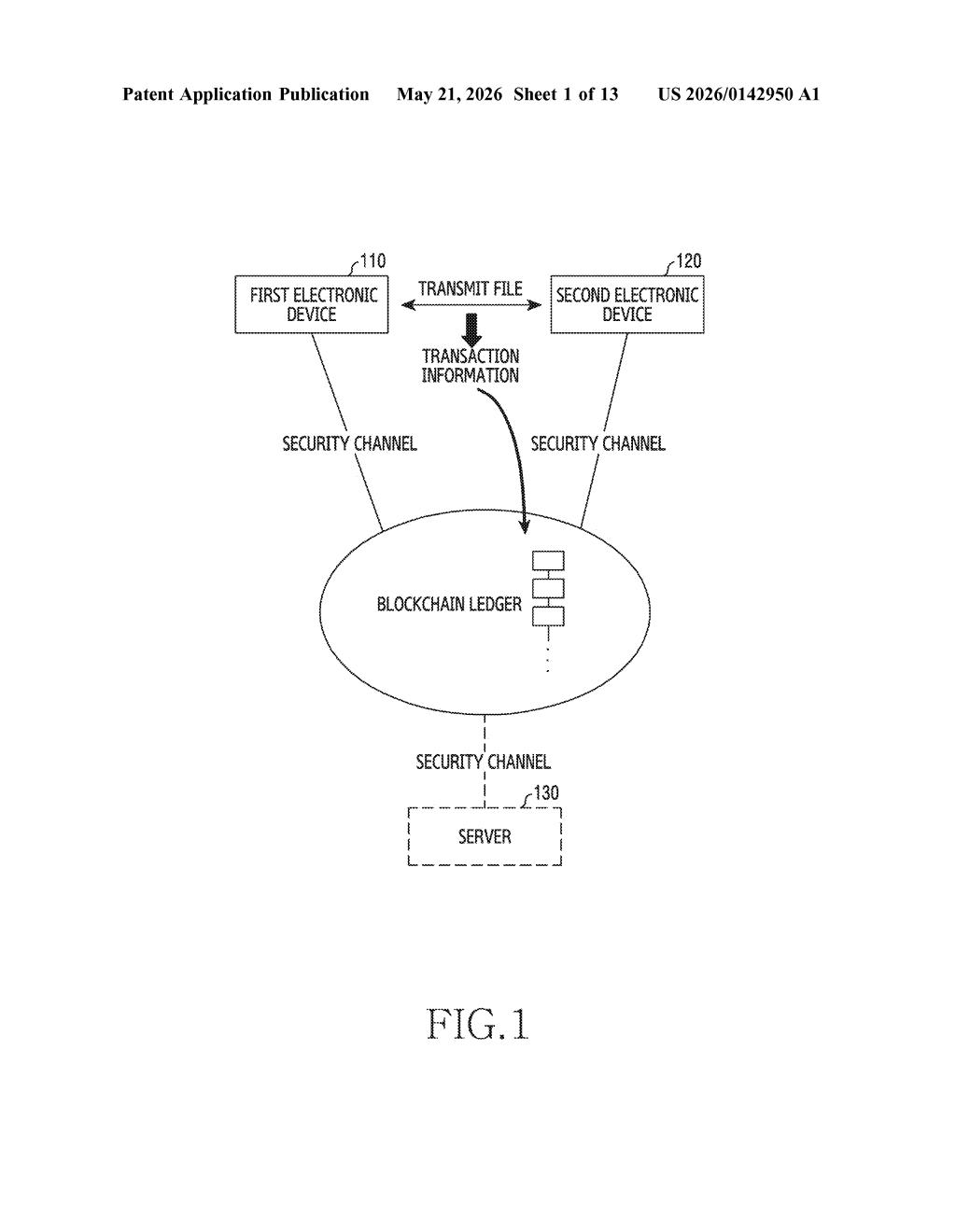
What Samsung's blockchain file-sharing actually does
Imagine you want to send a sensitive document from your Samsung phone to a Samsung tablet. Today, you might use Bluetooth, Quick Share, or cloud storage — and you mostly just trust it worked. Samsung's patent describes a more locked-down version of that process.
Before the file even moves, your phone checks whether the receiving device is registered with a security service and whether its network connection and system clock meet certain requirements. If everything checks out, the file gets encrypted and sent — but that's not the end of the story.
At the same time, a private blockchain ledger is created between your two devices over a secure channel. Every detail about the transfer — what was sent, when, and the keys needed to decrypt it — gets recorded there. Think of it like a tamper-evident receipt that both devices hold a copy of, so there's a verifiable trail that the right file reached the right device.
How the security channel and ledger work together
The patent describes a multi-step handshake before any file moves. The sending device first confirms the recipient is enrolled in the same secure sharing service via a central server — so random, unregistered devices can't participate.
Next comes a health check: the system verifies the receiving device's network state (is it on a trusted connection?) and its system time setting (is its clock synchronized?). Time synchronization matters because blockchain transactions are timestamped — if clocks are too far apart, the ledger entries become unreliable or exploitable.
Once those conditions are met, the sender encrypts the file and transmits it. Simultaneously, a security channel is established between the two devices specifically for blockchain communication — essentially a private, authenticated pipe that neither device can be spoofed on.
- Transaction information about the transfer is generated (file identity, timestamp, encryption metadata)
- That transaction is recorded on a blockchain ledger shared over the security channel
- The ledger entry itself contains the information the receiving device needs to decrypt the file — tying the decryption key lifecycle to the immutable log
The result is an audit trail that's cryptographically hard to tamper with, where proof of delivery and the means of decryption are bound together.
What this means for Samsung's device ecosystem
For most casual file transfers, this level of overhead would be overkill — and Samsung presumably knows that. The likely target here is enterprise and regulated-industry use cases: healthcare workers sharing patient files between approved tablets, or corporate environments where IT needs a verifiable chain of custody for sensitive documents. Samsung has been pushing Knox-based enterprise features for years, and a blockchain-backed audit log fits that roadmap.
For everyday users, the more immediate signal is that Samsung is thinking carefully about how decryption keys are managed — storing them in the ledger rather than just handing them over directly adds a layer of accountability. Whether that translates into a consumer Quick Share feature or stays deep in enterprise territory remains to be seen.
This is a solid, well-scoped enterprise security patent — not flashy, but it solves a real problem in regulated industries where 'trust me, I sent it' isn't good enough. The clever bit is binding the decryption key lifecycle to the blockchain ledger rather than treating encryption and logging as separate concerns. Samsung's Knox ecosystem gives this a plausible home.
There are more where this came from
We read every patent application Big Tech publishes and send you the ones worth knowing. Plain English, free, every week.
Want this weekly breakdown for a company we don't cover? Patentlyze Pro →