
IBM Patents Technology to Catch Errors in Self-Teaching Software as It Learns
AI models are only as trustworthy as the data they learn from — and right now, there's no standard way to prove that training happened cleanly. IBM wants to use a blockchain network to audit each step of an AI's training as it happens.
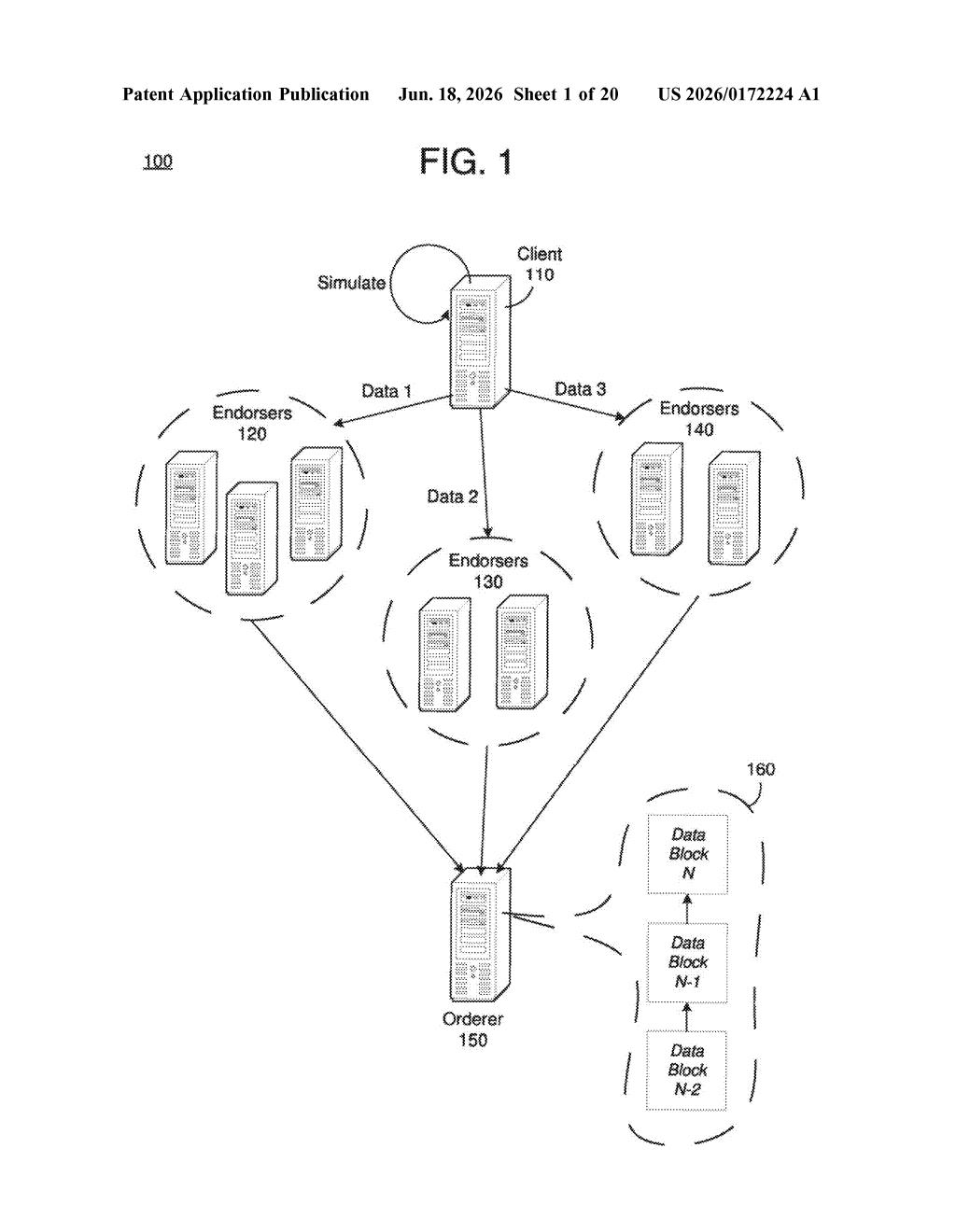
How IBM wants to verify what an AI learns, step by step
Imagine a factory where every product coming off the assembly line gets stamped and checked by an independent inspector before moving on. IBM is proposing something similar for AI: as a machine learning model trains itself, each piece of data it processes gets sent to a blockchain network for verification.
The blockchain — the same kind of record-keeping technology behind cryptocurrencies, but used here purely as a tamper-proof log — runs those checks in parallel using multiple independent nodes called "peers." Each peer confirms a different data point at the same time, so the verification keeps pace with the training rather than slowing it down.
The end result is a time-stamped, independently confirmed record of exactly what the AI learned and in what order. If someone later questions whether the model was trained fairly or correctly, there's a verifiable trail to check — not just the company's word for it.
How the parallel endorsement process works across blockchain peers
The patent describes an apparatus — essentially a computing system — that trains a machine learning model iteratively (meaning it runs through training data many times, each pass producing a new data point that represents the model's updated state).
Instead of logging those data points internally in a way only the training organization controls, the system routes them to a blockchain network for external validation. A blockchain is a distributed ledger: multiple independent computers each hold a copy of the record, and they must agree before anything is written. That agreement process is called endorsement.
The key engineering move here is parallelism. Rather than sending each sequential training output to one validator and waiting, the system fans out: a first blockchain peer endorses one data point while a second blockchain peer simultaneously endorses another. Both results then get transmitted to a blockchain node (a full participant in the network that records the final agreed-upon state).
This design tries to solve a real tension: blockchain consensus is thorough but slow, while AI training produces data points rapidly. Running endorsements in parallel means the validation can keep pace with the model's learning loop without creating a bottleneck.
What this means for AI accountability and enterprise trust
For enterprises using AI in regulated industries — finance, healthcare, insurance — being able to prove how a model was trained is increasingly important. Regulators in the EU and US are beginning to require documentation of AI decision-making, and "we trained it responsibly" isn't going to hold up without records. A tamper-proof blockchain log of each training step is exactly the kind of paper trail those rules are pushing toward.
For IBM specifically, this fits squarely into its long-running bet on enterprise AI governance and its existing blockchain infrastructure business. The company has positioned itself as the vendor organizations trust when the stakes are high — this patent is another brick in that wall, though whether it becomes a shipping product or stays on the shelf is a separate question.
This is a genuinely interesting intersection of two technologies IBM has been pushing for years — AI governance and enterprise blockchain — applied to a real problem: how do you prove an AI was trained honestly? The parallel endorsement approach is the technically clever part, since it addresses the speed mismatch between blockchain validation and model training. That said, the patent covers a fairly narrow apparatus claim, and IBM's record of turning blockchain patents into widely adopted products is mixed at best.
There are more where this came from
We read every patent application Big Tech publishes and send you the ones worth knowing. Plain English, free, every week.
Want this weekly breakdown for a company we don't cover? Patentlyze Pro →