
Samsung Patents a Context-Aware Camera That Shifts Frame Rates While Moving
Samsung is patenting a system that lets a moving device — think a robot, a drone, or an autonomous vehicle — automatically change how fast its camera captures frames based on what's happening in its environment. The idea is simple: not every situation needs the same camera throughput, and burning processing power on high frame rates when you don't need them is wasteful.
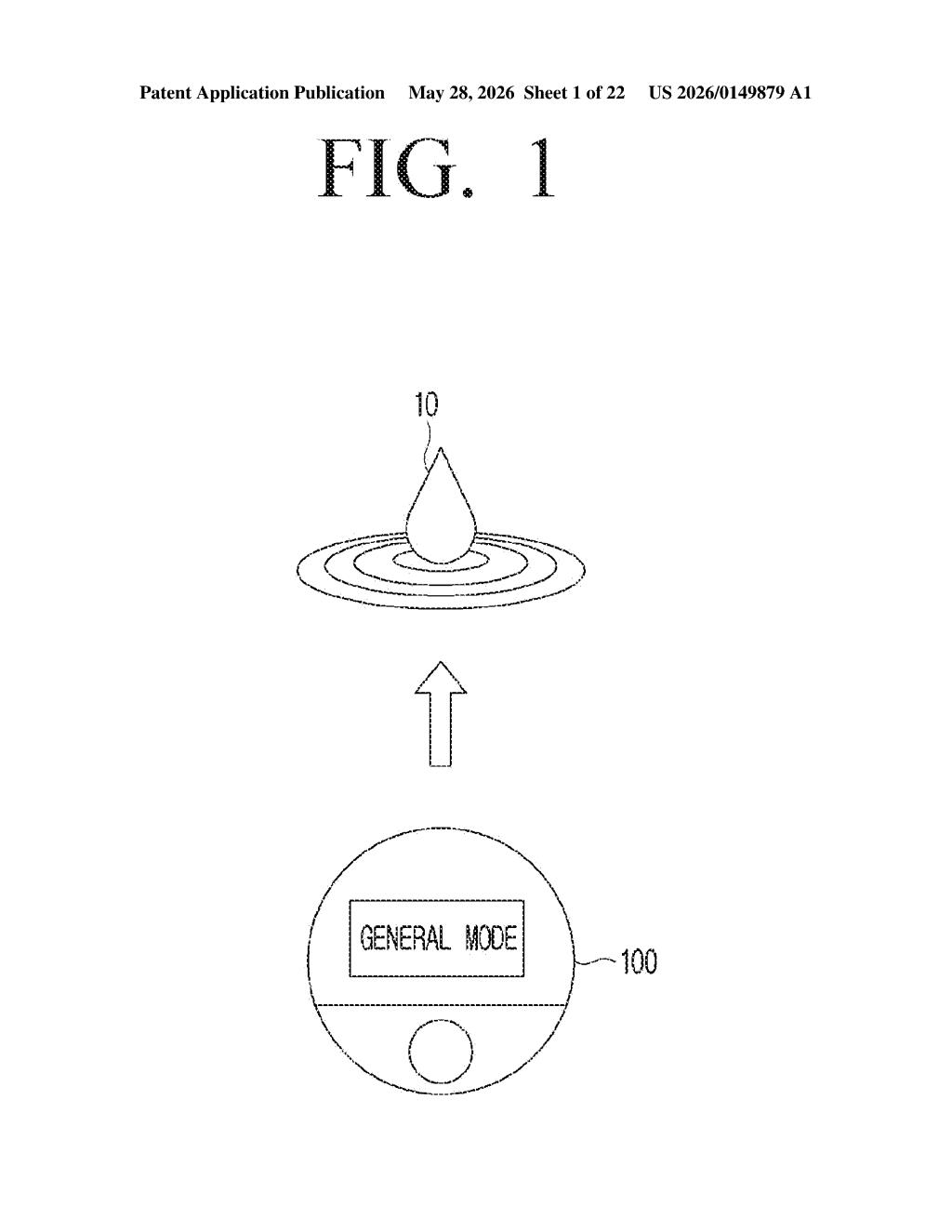
What Samsung's traveling-device frame rate switch actually does
Imagine a delivery robot cruising down an empty hallway. It doesn't need to capture 60 frames per second — nothing's changing that fast, and doing so wastes battery and computing resources. But the moment it approaches a busy intersection or a cluttered room, suddenly capturing more frames per second becomes critical for safe navigation.
Samsung's patent describes exactly this kind of adaptive system. The device monitors context information about its surroundings — essentially cues about what kind of environment it's in — and uses that to decide which "operation mode" to run in. Each mode has its own camera frame rate. When the context changes, the device switches modes and adjusts the frame rate accordingly.
This isn't about making photos look better. It's about making a moving machine more efficient and situationally aware — capturing more visual data when the environment demands it, and dialing back when it doesn't.
How context information triggers Samsung's mode switch
The patent describes an electronic apparatus — a device that physically moves through a space — equipped with at least one camera sensor and a processor that manages two distinct operation modes.
In Mode 1 (the baseline), the camera captures frames at a rate suited to low-complexity or low-risk environments. When the processor detects a change in context information — environmental signals like obstacle density, location type, or sensor readings that describe the traveling space — it switches to Mode 2, which uses a different (likely higher) frame rate.
The key technical element is the context-driven mode switch. The patent doesn't lock in a single frame rate; it allows for multiple frame rates within each mode, giving the system flexibility. The switch is triggered not by a manual input but by environmental intelligence — the device figures out on its own that the situation has changed.
- First camera sensor captures frames at mode-specific rates
- Processor evaluates context information about the traveling space
- Mode switch triggers a frame rate change automatically
- Second operation mode can use one or more different frame rates
What this means for robots, drones, and autonomous devices
For any device that moves autonomously — robots, drones, robotic vacuums, autonomous vehicles — camera efficiency is a real engineering constraint. Running a camera at maximum frame rate continuously drains power and floods the processor with data it may not need. A system that intelligently scales frame rate to the environment is a practical power and compute optimization.
Samsung is a major player in robotics and has been expanding into autonomous home and service robots. This patent fits that trajectory — a smarter vision pipeline for moving devices is table stakes for making those products work reliably in real-world, unpredictable environments.
This is a solid, practical engineering patent — not flashy, but the kind of low-level optimization that actually ships in real products. Adaptive frame rates for autonomous systems are a genuine power and compute problem worth solving. It's narrow enough in scope that it reads more like a building block than a headline feature.
There are more where this came from
We read every patent application Big Tech publishes and send you the ones worth knowing. Plain English, free, every week.
Want this weekly breakdown for a company we don't cover? Patentlyze Pro →