
Samsung Patents Switching Between AI Assistants Mid-Conversation With a Single Word
Samsung is working on a way to let your device run multiple voice assistants at once, and switch between them mid-conversation using a single spoken trigger. Think of it as a switchboard for AI helpers built right into your phone.
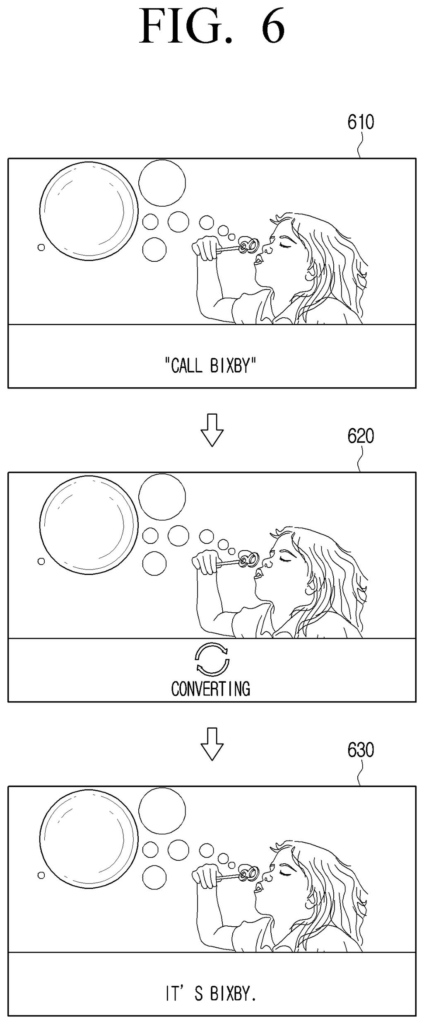
What Samsung's multi-assistant handoff actually does
Imagine asking your phone a question and realizing the assistant you're talking to isn't the best one for the job. Right now, switching means going into settings, maybe downloading a different app, and starting over. Samsung's patent describes a device that stores instructions for several voice assistants at the same time and can jump from one to another based on what you say.
The key idea is a "predetermined voice command", basically a trigger phrase you speak while one assistant is already active. That phrase tells the device to hand the conversation off to a second assistant without you having to tap a single button.
This could mean your device runs, say, Bixby by default but switches to Google Assistant or another AI the moment you say the right words. The display would then show the new assistant's response, keeping everything visible and in one place.
… based on a predetermined voice command received during a first voice assistant operation, activate a second voice assistant operation corresponding to the predetermined voice command.
Translation: You can trigger a brand new digital assistant just by speaking a specific trigger phrase while the first one is running.
How the device decides which assistant takes over
The patent describes an electronic device (most likely a phone or tablet) with three key components working together: a display, a memory bank that stores configuration instructions for multiple voice assistants, and a processor that manages which assistant is active at any given time.
When you give a voice command, the active assistant generates a response and shows it on screen. That's standard. The new part is what happens if you speak a predetermined voice command, a specific trigger phrase, while the first assistant is still running. The processor recognizes that trigger and activates a second assistant, handing control over without interrupting the flow of the conversation.
In plain terms, each voice assistant in the system has its own set of "instructions" stored in memory, so the device knows exactly how to wake each one up and how it should behave. The processor acts as a traffic controller, deciding which assistant should be "on" based on the commands it hears.
- Multiple stored assistant profiles, the device holds configuration data for several assistants simultaneously.
- Active/inactive state management, only one assistant runs at a time, but others stay ready.
- Trigger-based handoff, a spoken phrase, not a button press, causes the switch.
What this means for Galaxy devices and AI assistant wars
For everyday users, this is about reducing friction. Right now, no single voice assistant is best at everything. Bixby handles Samsung-specific device controls well, while other assistants may be stronger at general knowledge or third-party app integrations. A device that lets you flip between them by voice alone could make all of them more useful without forcing you to pick just one.
For Samsung specifically, this patent signals a strategy of staying neutral in the AI assistant competition rather than betting everything on Bixby. As Google, Amazon, Apple, and a wave of newer AI companies all compete for the "default assistant" slot on your phone, Samsung may be positioning its hardware as a platform that works with any of them, which could be a real selling point as AI assistant quality becomes a deciding factor in phone purchases.
This is a sensible, practical idea rather than a flashy one. The real interest here is strategic: Samsung is essentially patenting a way to avoid being locked into any single AI partner, which matters a lot right now as the assistant landscape shifts fast. Whether it ever ships in a recognizable form is another question, especially since claim 1 through 18 are listed as canceled in this publication.
There are more where this came from
We read every patent application Big Tech publishes and send you the ones worth knowing. Plain English, free, every week.
The drawings
12 drawing sheets from US 2026/0229236 A1 · click any drawing to enlarge


Want this weekly breakdown for a company we don't cover? Patentlyze Pro →
Be the first to weigh in