
Sony Patents a Two-Camera 3D Scanning System That Keeps Its Data Aligned
Getting a clean 3D model of an object is harder than it looks. Sony's new patent tackles one of the most tedious parts: making sure scans from two different cameras or passes actually agree on where things are in space.
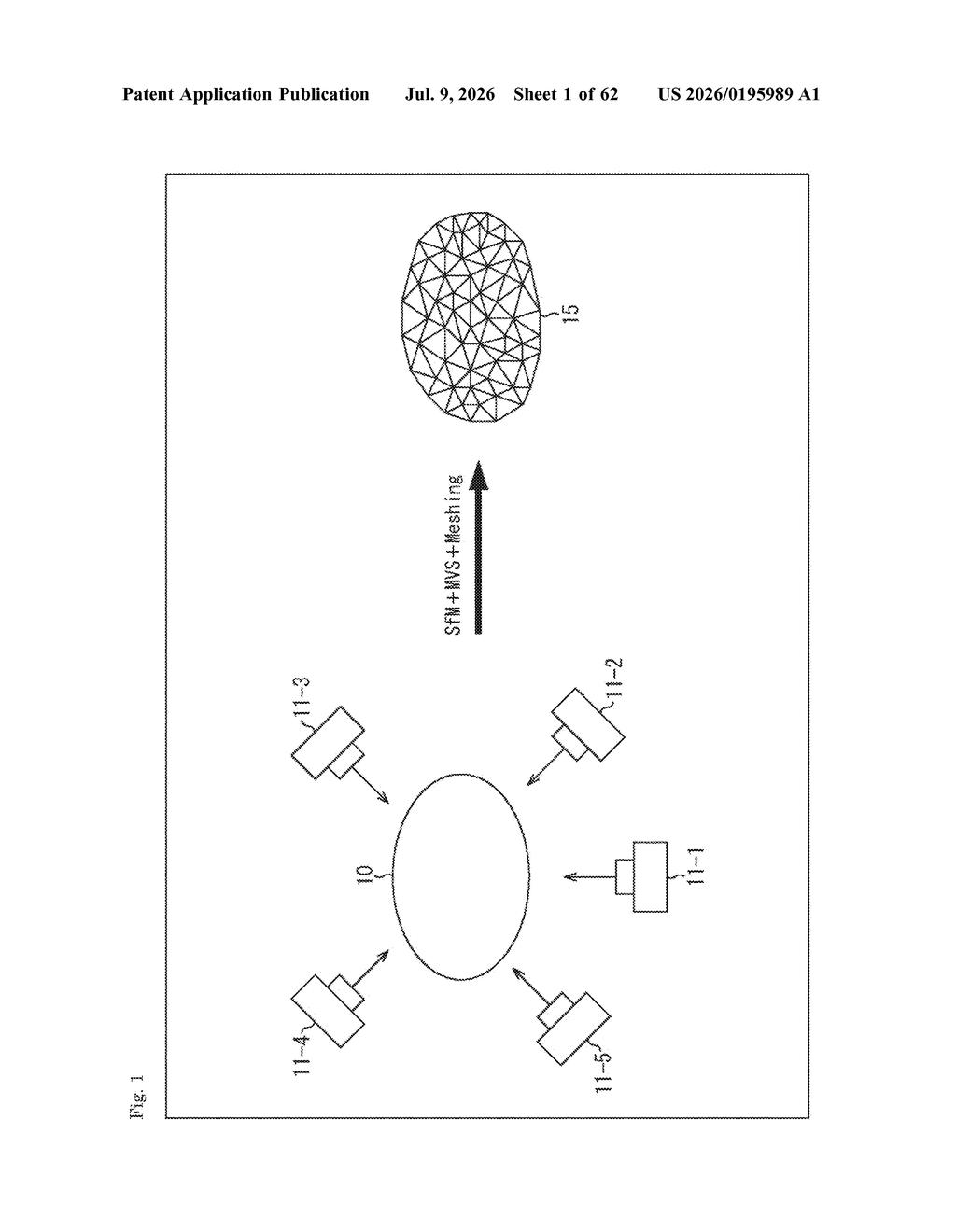
What Sony's linked 3D scanning setup actually does
Imagine you want to create a 3D digital copy of a sculpture. You photograph it from one angle with one camera, then photograph it again from a different angle with another camera. The problem is that each camera has its own sense of 'where things are,' so stitching the two scans together usually requires a lot of manual fiddling.
Sony's patent describes a system where the first camera's scan actively guides the second camera's scan. The first camera captures the object and builds a rough 3D model. That model then tells the second camera how to position its own coordinate grid, so both scans are speaking the same spatial language from the start.
The result is that combining the two scans into one complete 3D model becomes far less work. You don't need to manually realign them after the fact, because the system has already ensured they share a common frame of reference during capture.
How Sony's coordinate system bridges two separate scans
The patent describes an information processing device with two main components: a first 3D modeling processing unit and a coordinate control unit.
Here's the flow:
- A first camera captures images of the target object and feeds them into the first 3D modeling unit, which generates an initial three-dimensional shape.
- The coordinate control unit takes that first shape and establishes its coordinate system (think of it as the spatial grid that defines where every point in the model sits).
- A second camera then photographs the same object, but its scan is guided by the first 3D model's data. Crucially, the coordinate system of this second scan is tied to the first scan's coordinate system from the outset.
The key invention is the coordinate association step. In traditional multi-camera or multi-pass 3D scanning, each scan produces data in its own local space, and merging them requires a separate alignment process called registration. Sony's system bakes that alignment into the capture process itself, so the two scans are inherently compatible rather than needing to be reconciled afterward.
What this means for 3D capture in consumer devices
3D scanning is increasingly important across gaming, film, e-commerce product photography, and augmented reality. The friction point has always been the post-processing work required to combine data from multiple viewpoints. A system that coordinates scans at capture time rather than editing time could make 3D modeling accessible to people who aren't trained in software like Blender or Photogrammetry tools.
For Sony specifically, this fits a broader push around spatial content creation, particularly given the company's investments in camera hardware, PlayStation's 3D audio and graphics work, and its professional imaging division. If this kind of technology lands in a consumer camera or a mobile device, it could make building 3D assets for games or virtual environments something ordinary people do without specialist knowledge.
This is a solid, focused engineering patent rather than a flashy concept. The problem it solves, coordinate misalignment between multi-camera 3D scans, is real and genuinely annoying for anyone who has tried photogrammetry. Sony is building infrastructure for a world where capturing 3D objects is as easy as taking a photo, and this patent is a concrete step in that direction.
Get our take in your Top Stories
Liked this breakdown? Add Patentlyze as a preferred source on Google, and our plain-English take shows up more often in your Top Stories the next time Sony patent news breaks.
There are more where this came from
We read every patent application Big Tech publishes and send you the ones worth knowing. Plain English, free, every week.
Want this weekly breakdown for a company we don't cover? Patentlyze Pro →