
Sony Patents Virtual Lockers That Change Based on What Happens in Your Game
Sony is patenting a digital clubhouse where the lockers aren't just decoration. They shift and change based on what's actually happening in a game, making a familiar sports-world space feel genuinely alive.
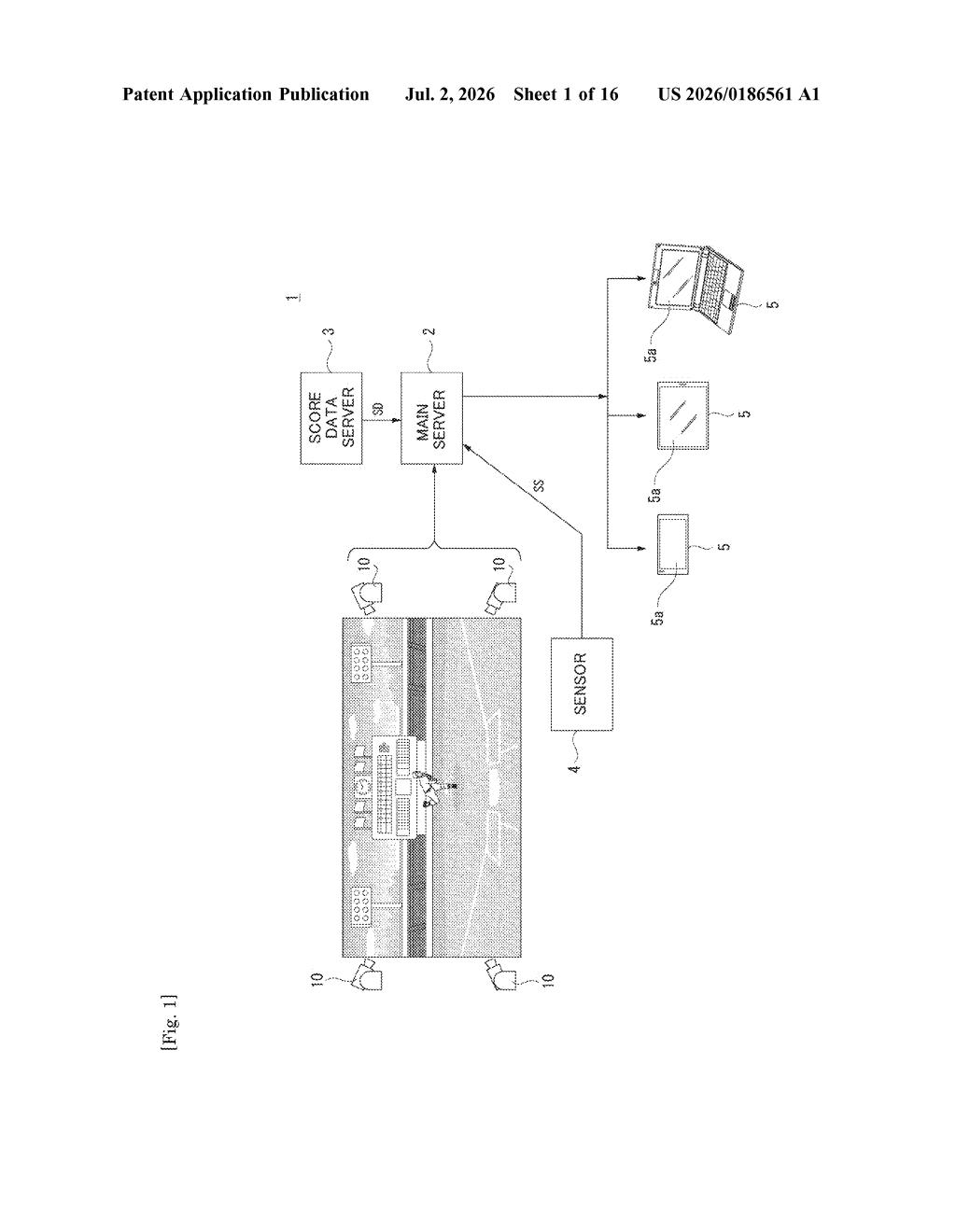
What Sony's dynamic virtual locker system actually does
Picture a locker room in a sports video game. Right now, those rooms are mostly set dressing: nice to look at, but they don't respond to anything you do. Sony's new patent describes something different.
The idea is a virtual clubhouse containing one or more lockers that change their appearance based on live game data. Win a big match, go on a scoring streak, or hit a milestone, and your locker (or your teammate's) could visually reflect that. The locker becomes a kind of live scoreboard built into the environment.
The patent doesn't name a specific product, but the concept fits naturally into team-based sports games or social hubs inside gaming platforms. It's a small idea with a clear purpose: make the shared space feel like it actually belongs to you and your record.
How game data drives the virtual locker's appearance
The patent describes an information processing device with an arithmetic unit (essentially a processor or logic engine) that reads game information and uses it to alter the shape or form of a virtual locker inside a virtual clubhouse space.
- Virtual clubhouse: a shared in-game room, similar to a team dugout or locker room, that players can occupy or view together.
- Virtual lockers: individual in-game objects, one per player or one for the team, positioned inside that clubhouse.
- Form changes: the locker's appearance (which could mean shape, decorations, displayed items, or visual state) updates based on incoming game data.
The phrase "game information" is left broad in the patent, which means it could cover match results, individual stats, achievements, or real-time in-game events. The arithmetic unit is what ties those inputs to the visual output.
The core technical idea is a feedback loop: something happens in the game, data is generated, the processor reads that data, and the locker changes form accordingly. The patent does not specify whether changes are cosmetic only or whether they affect gameplay.
What this means for sports and social gaming spaces
Sports and team-based games have leaned heavily on social spaces in recent years, from FIFA's clubhouses to battle royale lobbies. The problem is those spaces rarely feel like they reflect your actual history. A locker that visually tracks your performance could give players a stronger sense of identity and progression without adding a separate menu or stats screen.
For Sony, this fits a broader push to make PlayStation social spaces feel more personal. If this shows up in a sports title or in a future PlayStation social layer, it's the kind of small, atmospheric detail that players notice even if they never read a patch note about it.
This is a modest but coherent idea. A locker room that reacts to game events is not a technical feat, but it is a thoughtful UX concept: embedding player history into the environment instead of burying it in menus. Whether it ever ships depends entirely on whether Sony's game studios find it worth building, and a patent this narrow could easily sit unused.
There are more where this came from
We read every patent application Big Tech publishes and send you the ones worth knowing. Plain English, free, every week.
Want this weekly breakdown for a company we don't cover? Patentlyze Pro →
Be the first to weigh in