
Foldable Screen Patent Tackles the Stubborn Crease Issue
The weakest point on any foldable phone isn't the hinge or the screen itself, it's the glue holding everything together. Samsung Display is patenting a new adhesive formula designed to survive thousands of folds without failing.
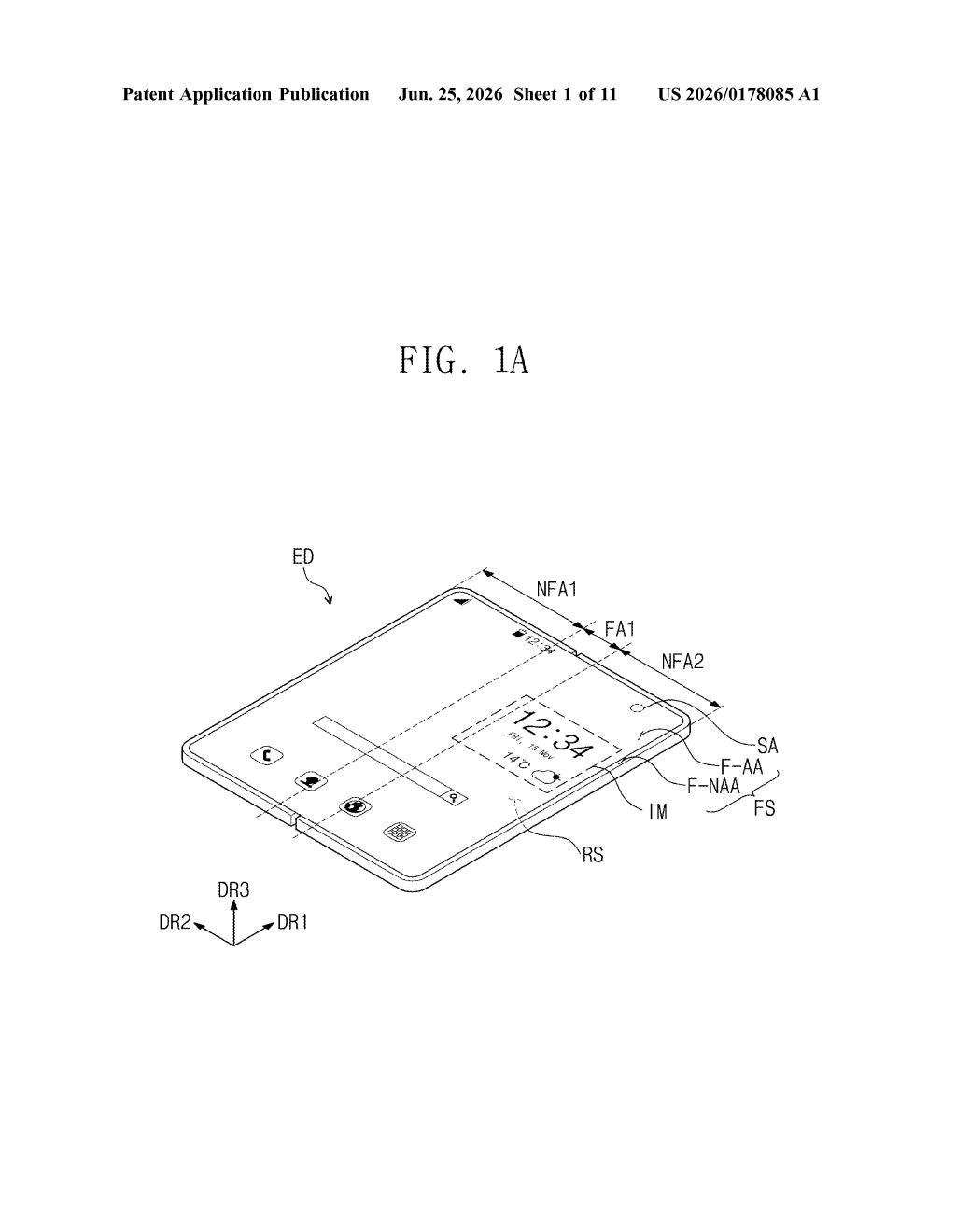
What Samsung's new foldable adhesive actually does
Imagine folding a piece of paper in half a hundred thousand times. Eventually the paper tears right at the crease. Foldable phones face a similar problem: the adhesive layers sandwiched between the screen and its protective cover take a beating every time you open and close the device, and over time they can crack, bubble, or delaminate.
Samsung Display's patent describes a new approach to those adhesive layers. Instead of standard glue, the adhesive contains tiny engineered particles made from a blend of three materials (acrylic, silicone, and urethane) that together stay flexible under repeated stress. The idea is that these particles absorb the mechanical strain at the fold point rather than letting it travel through and damage the glass or display underneath.
The patent covers two adhesive layers: one between the outer protective cover and the window layer, and another between the window and the actual light-emitting display panel. Either layer, or both, can use this particle-based formula.
Inside the acrylic-silicone-urethane particle layers
The patent describes a foldable display stack with several distinct layers. From the outside in, you have a window protecting layer (the hard outer surface you touch), a window made from an elastomer (a rubber-like flexible material that can bend without shattering), and the display module itself containing the light-emitting elements.
Between those layers sit two adhesive films. The key innovation is adding acrylic-silicone-urethane-based organic particles to at least one of those films. Each of those three material names describes a different property the particles bring:
- Acrylic provides optical clarity and adhesion strength
- Silicone contributes flexibility and temperature resistance
- Urethane adds toughness and resistance to mechanical deformation
By combining all three into a single particle type dispersed through the adhesive, Samsung aims to create a glue layer that bends freely at the fold zone without cracking or separating from the surfaces it bonds. The folding region (the crease area) and the surrounding non-folding regions place very different physical demands on the adhesive, and a particle-based formula can potentially handle both.
What this means for the next Galaxy Z Fold or Flip
Every foldable phone on the market today grapples with long-term durability at the crease. Adhesive failure is one of the less visible but most common causes of display delamination and screen damage after extended use. A better adhesive formula doesn't just affect whether a phone survives three years of daily folding, it affects how thin the overall display stack can be, because stronger materials can be applied in thinner layers.
For Samsung's Galaxy Z Fold and Z Flip lines, any improvement to fold durability directly addresses one of the most common consumer complaints about foldable phones. If this adhesive chemistry makes it into production, you might simply get a foldable phone that holds together longer without the protective film peeling or the screen developing a visible crease bubble.
This is unglamorous materials science, but it's exactly the kind of incremental engineering that separates foldable phones people actually keep for three years from ones that end up in a drawer. Samsung Display files a lot of adhesive and lamination patents, and most never ship in recognizable form, but the specific chemistry here (combining three polymer types into a single particle) suggests real lab work rather than a defensive filing.
There are more where this came from
We read every patent application Big Tech publishes and send you the ones worth knowing. Plain English, free, every week.
Want this weekly breakdown for a company we don't cover? Patentlyze Pro →