
Qualcomm Patents a Camera That Follows Your Eyes to Decide What to Capture
What if your camera already knew what you were about to look at — and started focusing there before you even pressed the button? That's the idea behind Qualcomm's latest camera patent.
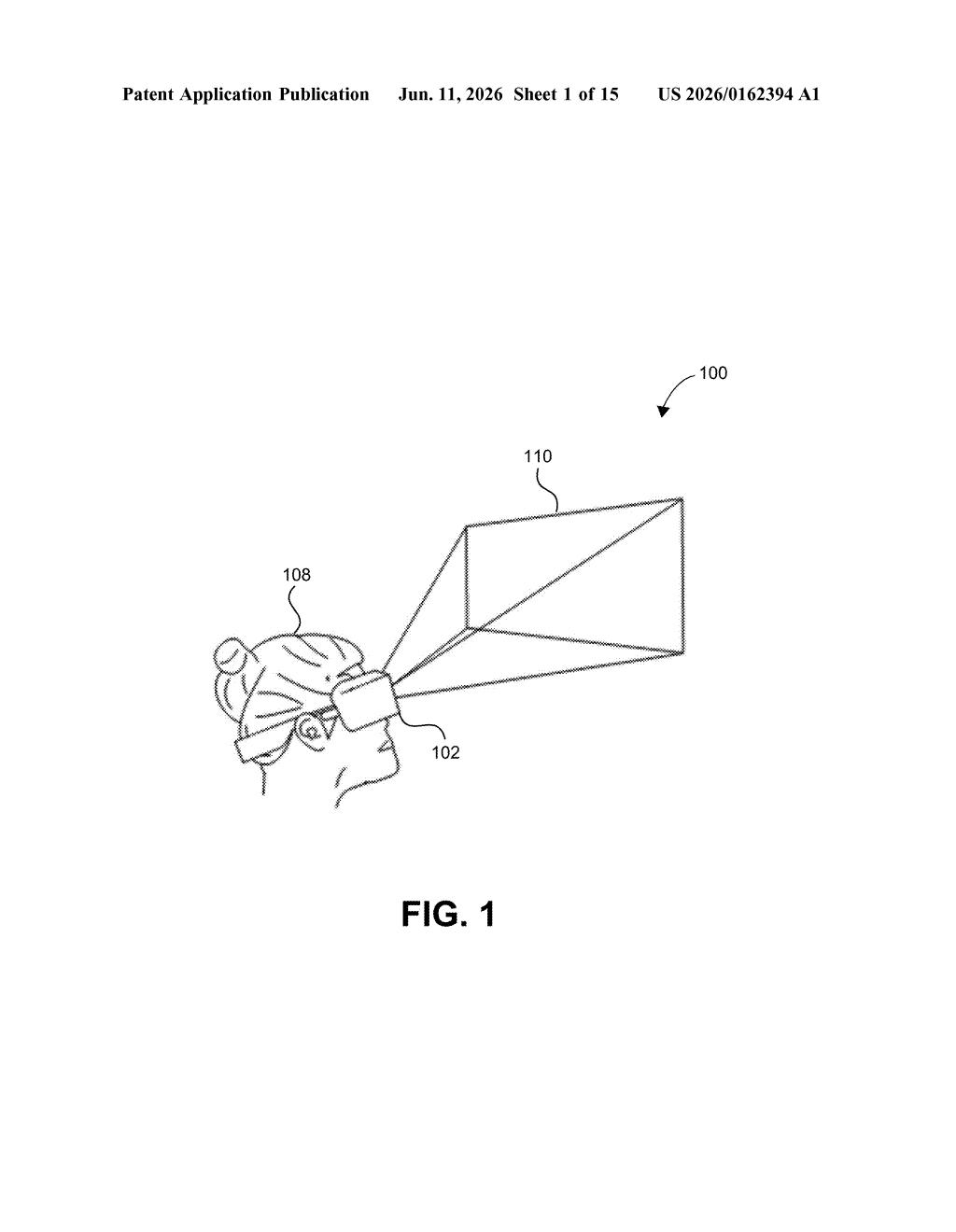
How Qualcomm's eye-tracking camera focus actually works
Imagine you're wearing AR glasses or holding up your phone to take a photo. Right now, your camera has to guess what you want in focus, or you have to tap the screen to tell it. Qualcomm's patent describes a system that watches where your eyes are looking and uses that to decide what part of the image matters most.
Here's the clever part: it works in two steps. First, your gaze tells the processor which region of the current frame to pay attention to when it's processing. Then — and this is the key move — it predicts where you'll be looking in the next frame, and tells the camera sensor to start capturing that area before you even consciously shift focus.
This kind of ahead-of-the-moment thinking could make cameras feel much more responsive, especially in wearables where you can't exactly reach up and tap a screen to pick your subject.
How gaze data drives the image sensor and processor
The patent describes a pipeline with two distinct stages, both driven by gaze data (information about where a person's eyes are directed, typically from an eye-tracking sensor).
- Stage 1 — Current frame processing: The system identifies a Region of Interest (ROI) — basically a bounding box around the part of the image the user is looking at — and passes that to the image processor. The processor then focuses its computational work on that zone, rather than treating every pixel equally.
- Stage 2 — Next frame prediction: Before the next image is even captured, the system uses the same gaze data to predict where the ROI will be. It sends that predicted region directly to the image sensor, which can then prioritize capturing that area with higher fidelity or faster readout speed.
The key distinction here is the predictive element. Most camera systems react to what the user did; this one tries to anticipate what they're about to do, using eye movement as an early signal. By telling the sensor what to expect ahead of time, the system can potentially reduce processing lag and avoid wasting bandwidth on parts of the frame the user isn't looking at.
What this means for AR glasses and mobile cameras
The obvious home for this technology is AR and XR headsets — devices like smart glasses where eye tracking is already built in, and where tapping a screen to pick a focus point isn't an option. Qualcomm's Snapdragon XR chips power a large chunk of the headset market, so a patent like this fits squarely into that roadmap.
But the implications stretch to smartphones too. If your phone's selfie or rear camera knew where your gaze was landing, it could cut down on the fraction-of-a-second delay between when you see your subject and when the camera locks on. For sports, pets, or fast-moving kids, that gap matters more than most people realize. It also opens up efficiency gains — if the sensor only works hard on the part of the frame you're actually watching, there's less heat, less power draw, and potentially better low-light performance where it counts.
This is a genuinely useful idea, not a paper patent. Eye-tracking-driven camera pipelines solve a real problem in AR wearables — the lack of a touchscreen to direct focus — and Qualcomm is the right company to file it, given how deeply embedded its chips are in the headset ecosystem. The predictive ROI angle is the part worth watching: if it works reliably, it's a meaningful step toward cameras that feel like they're reading your mind.
There are more where this came from
We read every patent application Big Tech publishes and send you the ones worth knowing. Plain English, free, every week.
Want this weekly breakdown for a company we don't cover? Patentlyze Pro →