
Sony Patents a Context-Aware Eye-Tracking System That Knows What You're Trying to Select
Picking things with your eyes sounds simple — until you realize your gaze wanders constantly and the wrong item keeps getting highlighted. Sony's new patent tries to fix exactly that by adding situational context to every eye-tracking decision.
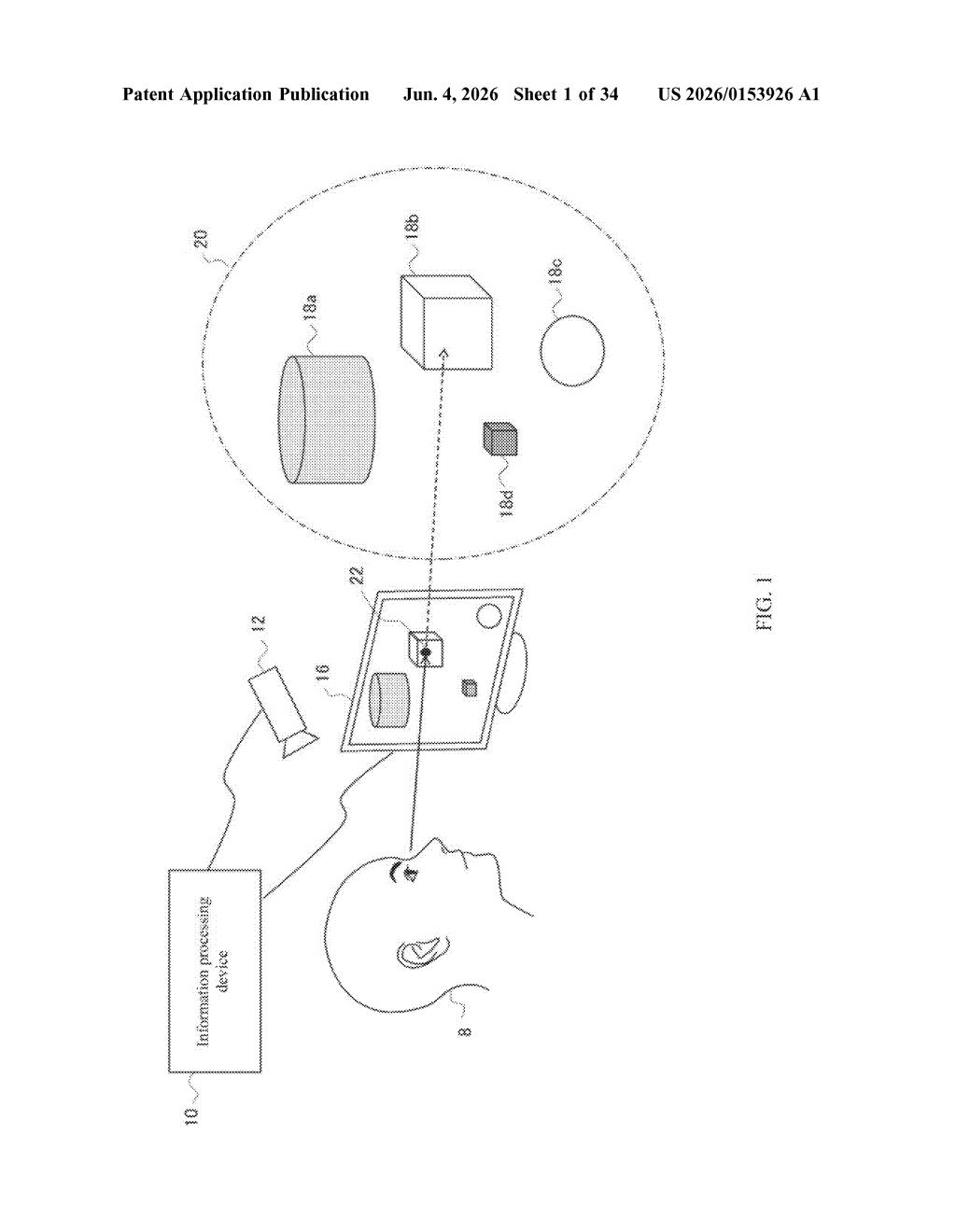
What Sony's gaze-based selection system actually does
Imagine you're in a VR menu and you glance at a button — but you were just scanning the screen, not actually trying to press it. A basic eye-tracking system would trigger the button anyway. That's the problem Sony is trying to solve here.
This patent describes a system where your device doesn't just ask where you're looking — it asks whether this is really a selection moment. If your line of sight lands on a target, the system first flags it as a selection candidate, then checks the surrounding context (things like how long you've been looking, what was happening just before, or the state of the interface) before committing to an actual selection.
The result is meant to feel more like a system that understands your intent rather than one that just reacts to your eyeballs. For anyone who's accidentally dismissed a dialog or triggered the wrong menu item in a gaze-driven UI, that's a meaningful difference.
How the system reads 'selection situation' to confirm intent
The patent describes a pipeline with three core steps: acquire a line-of-sight vector from the user, detect a selection candidate by comparing that vector to the positions of available targets, and determine whether to promote that candidate to an actual selection target.
The third step — the determination — is where the novel logic lives. Rather than immediately selecting whatever the user's gaze intersects, the system evaluates "conditions according to a selection situation." This phrase is deliberately broad in the patent language, but it implies the system can factor in dynamic context: dwell time, prior gaze history, motion state, UI mode, or any other variable that signals whether a look is intentional.
This is essentially a gaze-intent filter. Think of it like the difference between a touchscreen that fires on any contact versus one that waits to distinguish a tap from an accidental brush.
- Line-of-sight vector: A directional ray cast from the user's eye position into the scene
- Selection candidate: Any target whose spatial relationship to that ray meets a proximity threshold
- Selection situation: The contextual state evaluated before confirming a candidate as the final selected target
What this means for PlayStation VR and gaze-driven UI
For PlayStation VR2 and any future Sony headset, accurate gaze-driven selection isn't a luxury — it's core UX infrastructure. Eye tracking is one of the main ways users navigate without physical controllers, and false positives (selecting things you didn't mean to) erode trust in the interface quickly. A system that reads situational context before committing to a selection would make gaze-driven menus feel dramatically less frustrating.
More broadly, this patent signals that Sony is investing in the decisional logic layer of eye tracking, not just the sensor hardware. That's the harder problem — and the one most companies have quietly under-solved.
This is foundational plumbing for gaze-controlled interfaces, and it's the kind of thing that makes or breaks the usability of a VR headset. Sony filing this in late 2025 suggests they're actively refining the selection UX for future hardware — probably the next iteration of PSVR. It's not flashy, but anyone who's fought with bad eye-tracking UI will immediately understand why it matters.
There are more where this came from
We read every patent application Big Tech publishes and send you the ones worth knowing. Plain English, free, every week.
Want this weekly breakdown for a company we don't cover? Patentlyze Pro →