
Sony Patents a Gaze-Aware XR System That Processes Your View at Different Speeds
Sony is quietly working on an XR gaming system that pays attention to where your eyes are pointed — and throws more processing power at whatever you're actually looking at, in real time.
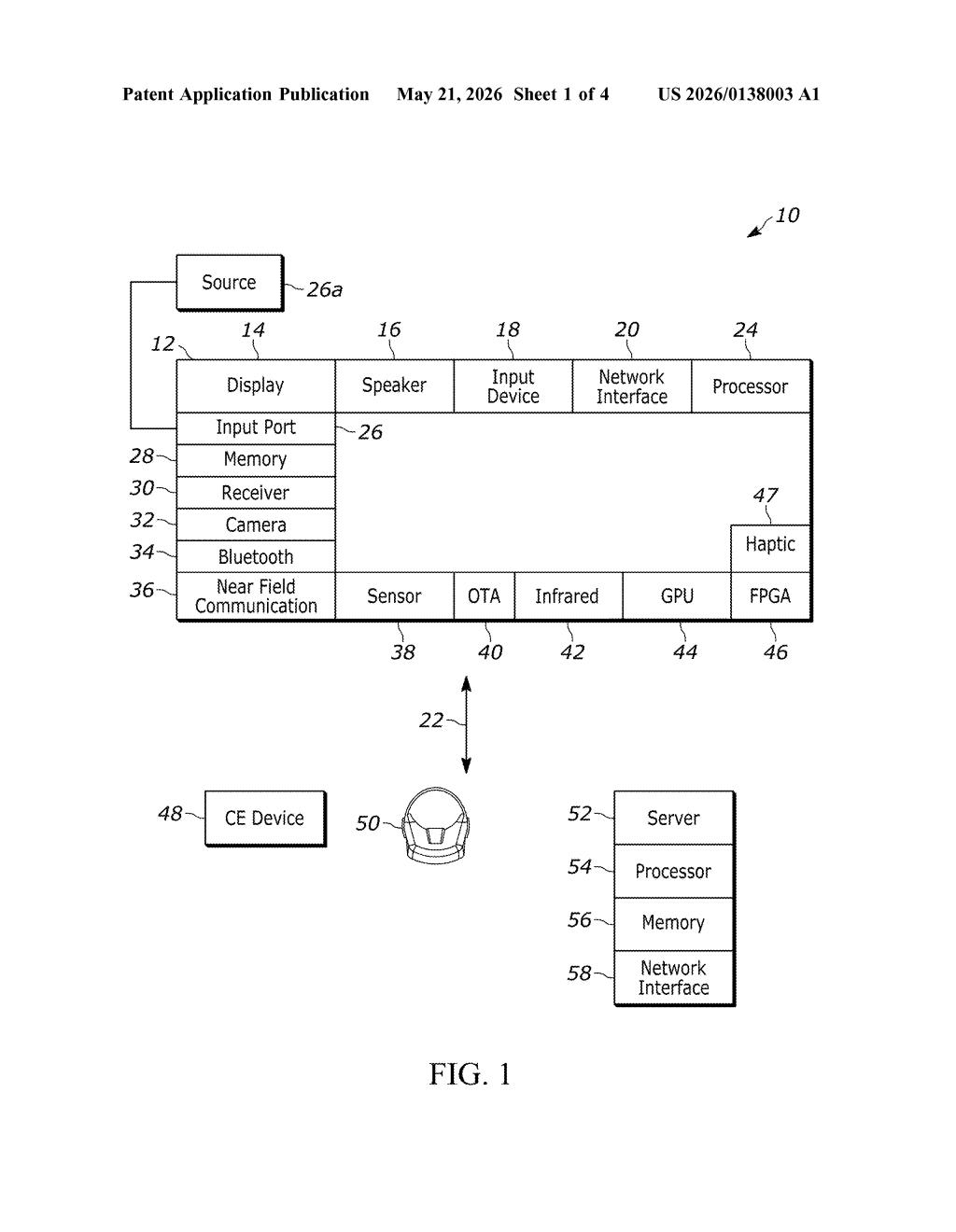
What Sony's variable-rate gaze tracking actually does
Imagine you're playing a mixed-reality game in your living room. Your couch, the window behind you, the lamp in the corner — most of that background doesn't need to be analyzed 60 times a second. But the interactive object you're staring at right now? That needs instant, high-detail tracking.
Sony's patent is essentially a smart prioritization system for XR cameras. It watches where your eyes are focused, where your hands are positioned, and even listens to what you're talking about — then routes extra processing power to the parts of the camera feed that actually matter to you in that moment.
The result is that your headset or camera doesn't have to crunch every pixel of every frame at the same speed. The thing you're looking at gets the royal treatment; everything else gets a cheaper pass. That means your device can deliver crisp, low-latency XR overlays where they count, without melting its own battery trying to do everything at once.
How the system splits image frames by attention priority
The patent describes a processor system that receives image frames from a camera and divides them into regions based on user attention signals — gaze direction, hand position, and voice cues. Regions the user is actively engaging with get processed at a higher rate (more frames per second, more detailed feature extraction). Regions the user isn't focused on get processed at a slower, cheaper rate.
- First-pass setup: Before gameplay starts, the system scans the environment and populates a local database with objects that might be interactive during the session.
- Real-time attention detection: During play, the system continuously identifies the "area of user interest" — basically wherever your gaze or hands are directed.
- Tiered processing: The high-priority region gets full-fidelity feature extraction (precise edge detection, depth mapping, object recognition). Lower-priority regions get a lighter treatment, just enough to monitor for changes.
- XR rendering: The high-fidelity processing output is used to precisely place and render extended reality objects at the exact location the user is focused on.
The database layer is worth noting: previously interacted objects and gameplay-relevant items in the environment are tracked at a medium priority even when you're not directly looking at them, so they're ready to snap into focus instantly.
What this means for PlayStation XR gaming performance
XR and mixed-reality gaming is bottlenecked as much by compute power as by display quality. Processing every pixel of every camera frame at maximum fidelity is expensive — it eats through battery, generates heat, and introduces latency. This patent is Sony's answer to that tradeoff: don't try to do everything equally, do the right things really well.
For you as a player, this could mean sharper, more stable XR object placement in the spots you actually care about, with less jitter and lag, on hardware that doesn't require a nuclear reactor to run. It also signals that Sony is thinking seriously about gaze-input as a core interaction primitive — not just a novelty — for whatever comes next in PlayStation's XR lineup.
This is a genuinely practical engineering patent, not a moonshot. The core idea — prioritize compute resources based on where the user is looking — is the kind of unglamorous optimization work that separates a comfortable XR experience from a sweaty, jittery one. Sony filing this now, in late 2024, suggests they're deep in the hardware iteration cycle on a device that actually needs this kind of efficiency trick to ship well.
There are more where this came from
We read every patent application Big Tech publishes and send you the ones worth knowing. Plain English, free, every week.
Want this weekly breakdown for a company we don't cover? Patentlyze Pro →