
Samsung Patents a Way to Route Electrical Wiring Through a Foldable Phone's Display Backing
Foldable phones have a wiring problem: every time you bend the device, cables crossing that hinge take a beating. Samsung's latest patent tucks those connections inside the display's own backing plate, potentially cleaning up one of the messiest engineering headaches in foldable design.
What Samsung's hidden-wiring foldable display actually does
Imagine folding a piece of paper in half, but there are wires taped across the crease. Every time you fold and unfold it, those wires flex, stress, and eventually fail. That's roughly what's happening inside today's foldable phones, where separate circuits in each half of the device need to talk to each other across a moving hinge.
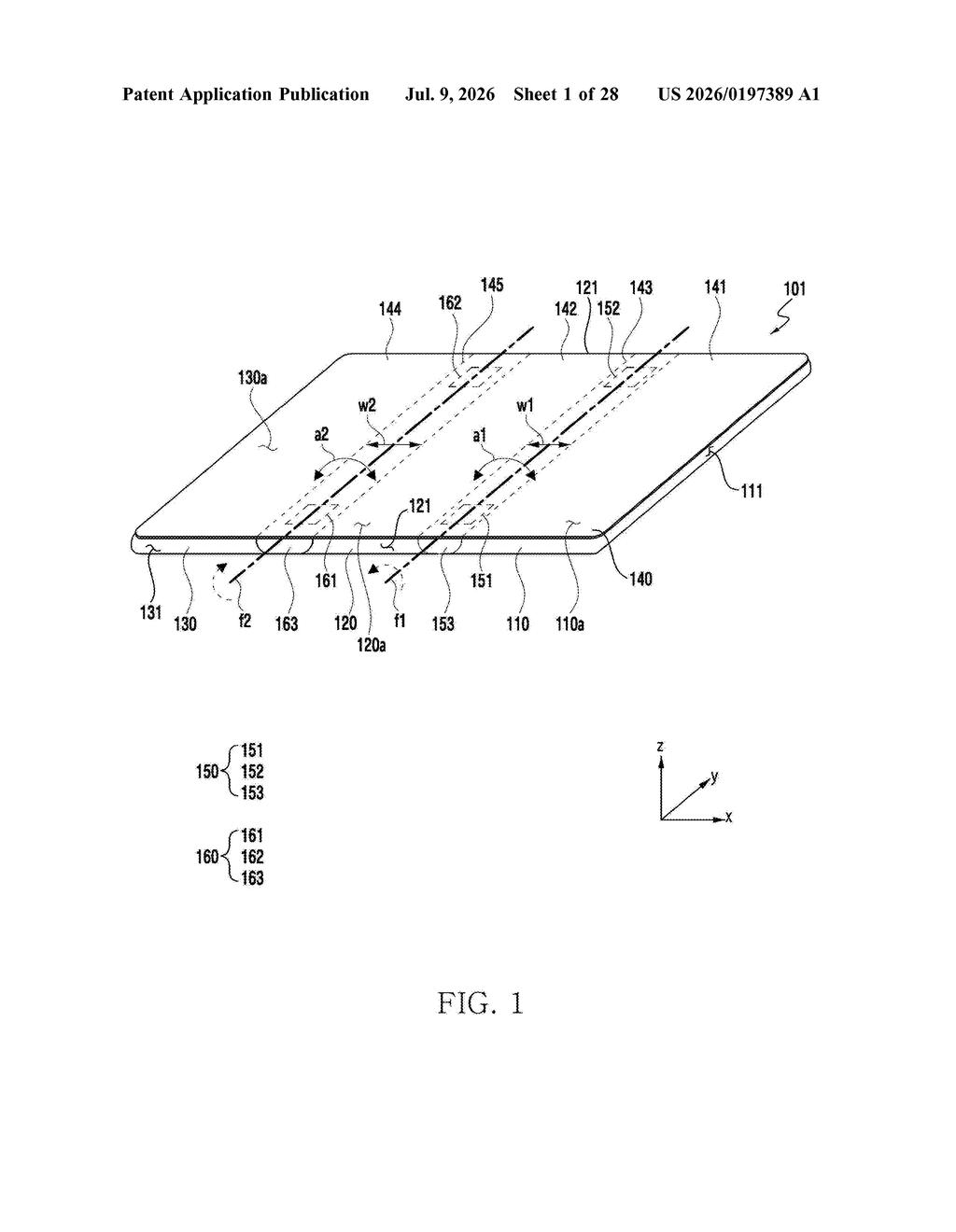
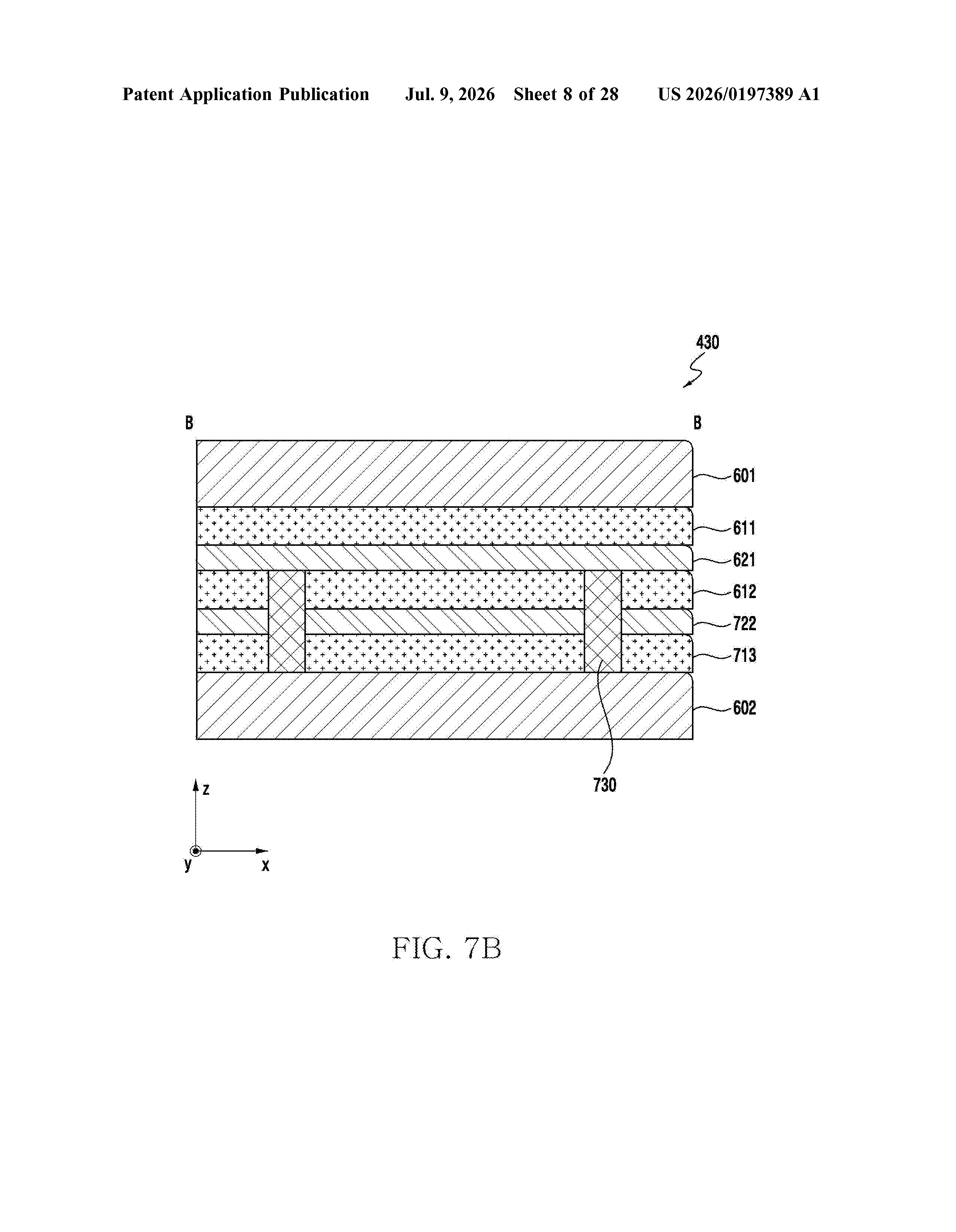
Samsung's patent describes a different approach: instead of running separate cables across the hinge, the device embeds at least one electrical pathway directly into the stiff backing plate that already sits behind the flexible screen. That plate is there anyway, keeping the screen from buckling. Samsung's idea is to make it do double duty as a wiring path connecting the circuit boards on each side.
The result could be a foldable phone with fewer loose cables inside, less mechanical stress at the fold point, and potentially a slimmer, more durable design. It's an internal plumbing fix, not a flashy feature, but these kinds of structural choices determine whether a foldable holds up after two years of daily folding.
How the conductive layer connects both phone halves
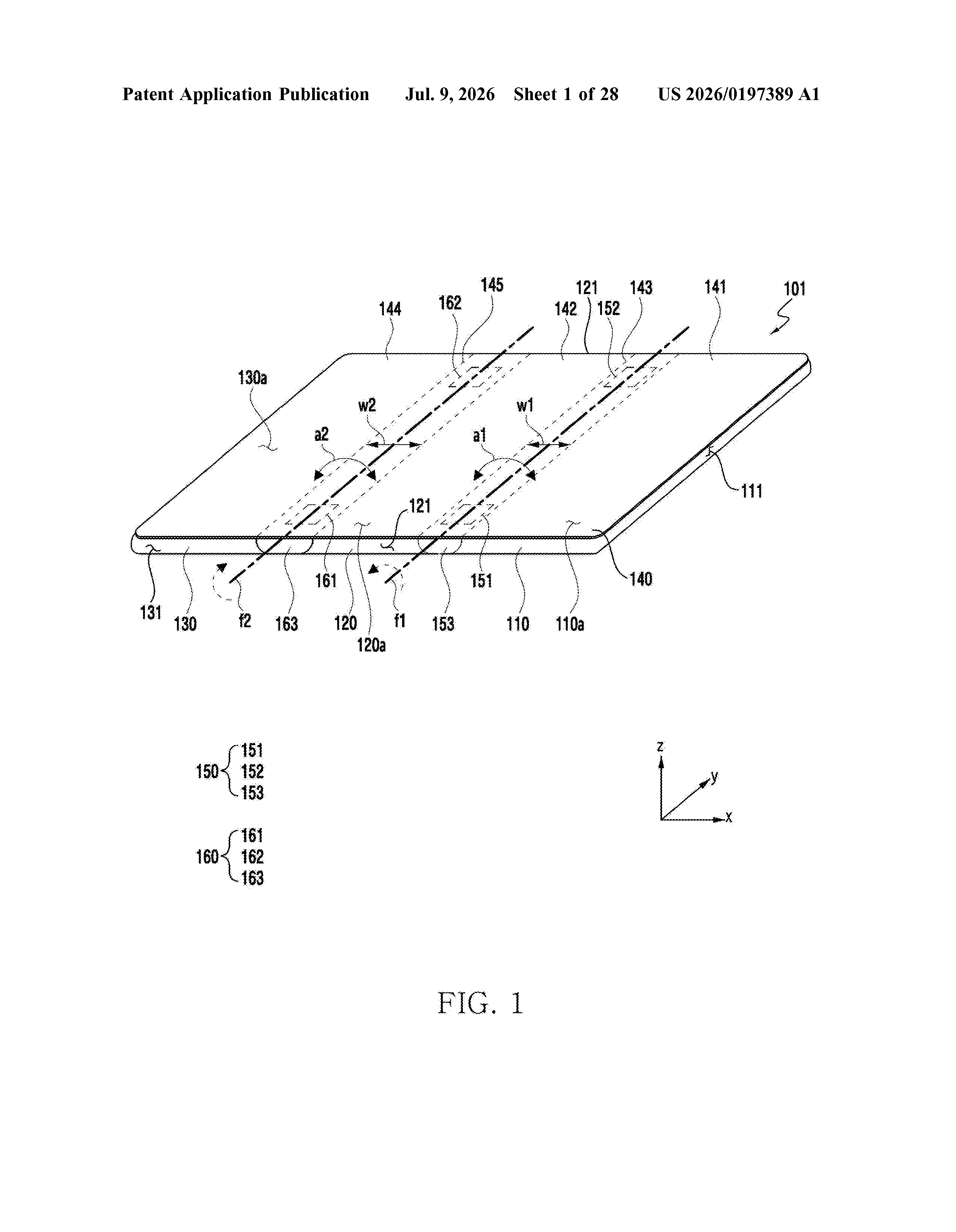
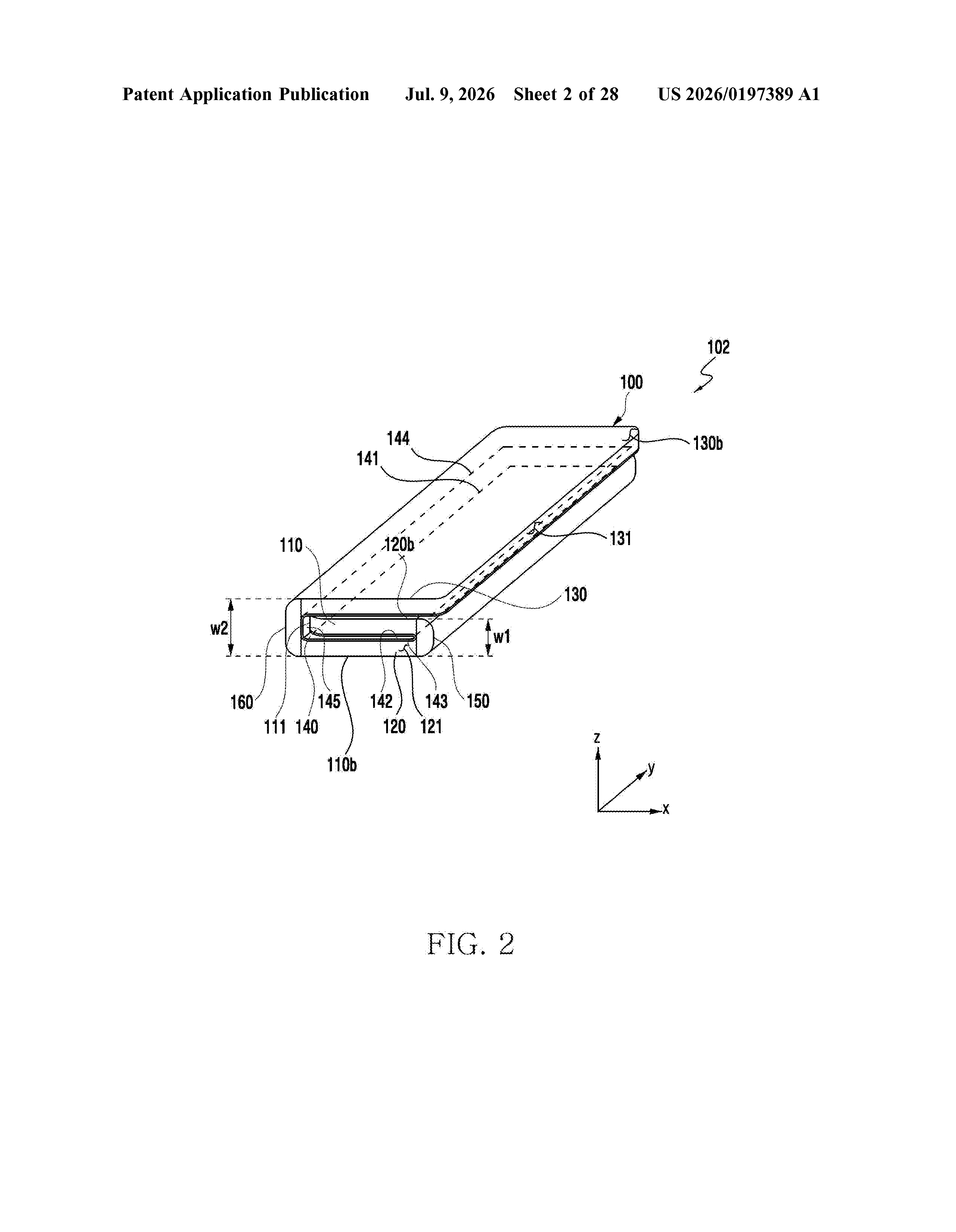
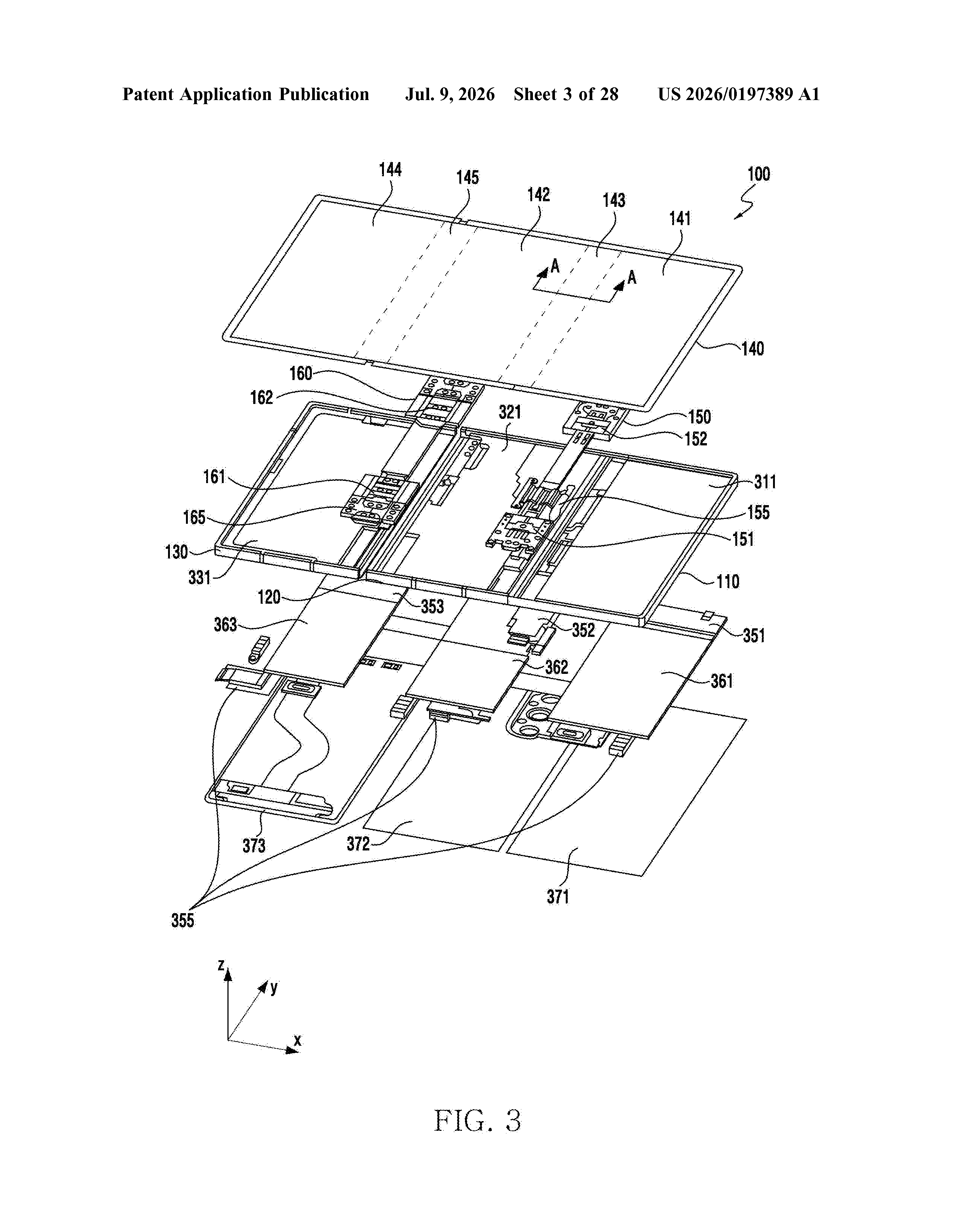
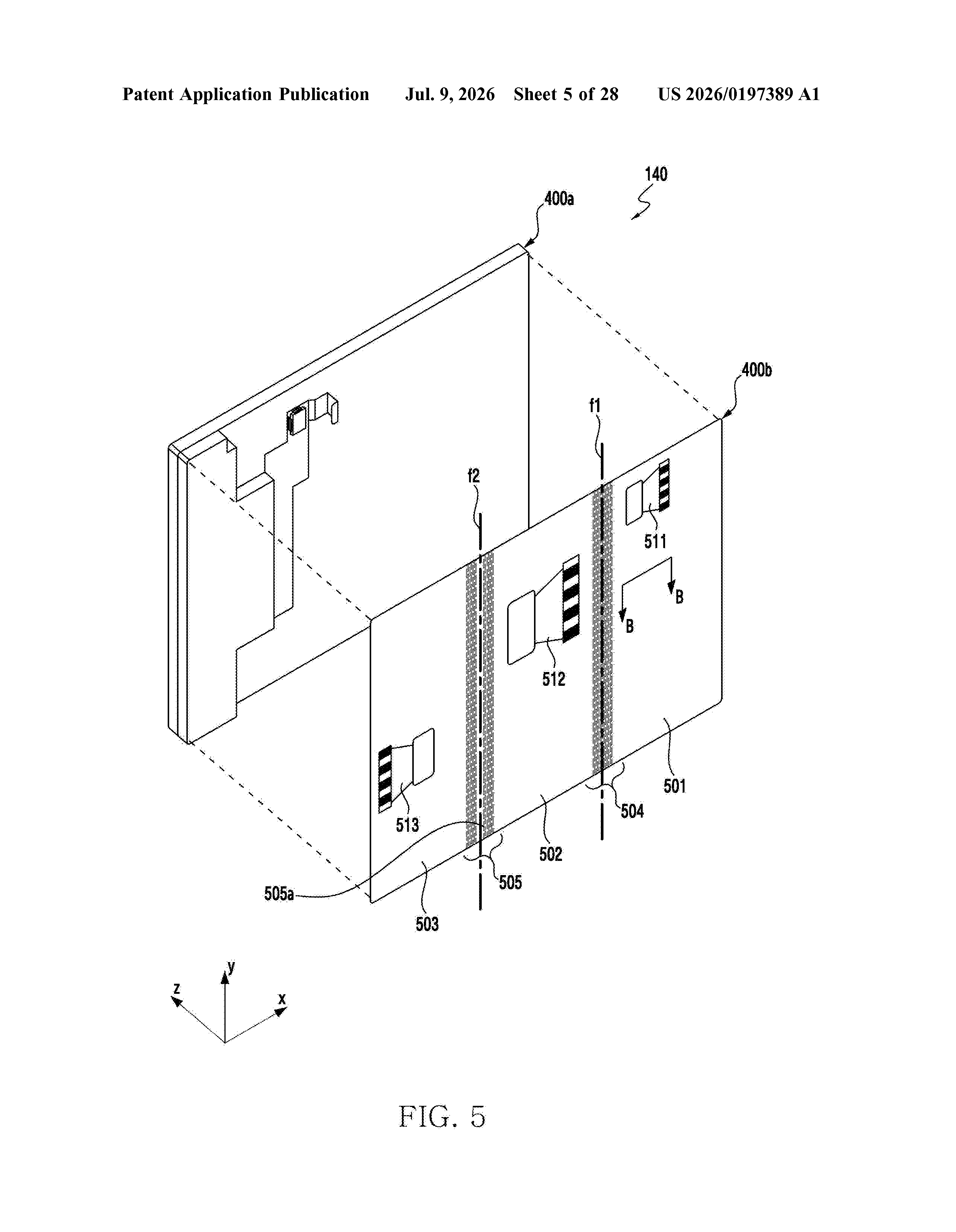
The patent covers a foldable phone (or multi-fold phone) with two housing halves connected by a hinge. Each half contains its own printed circuit board (PCB), the main logic board that controls the electronics in that section. Normally, those two PCBs need physical wiring between them to share data and power.
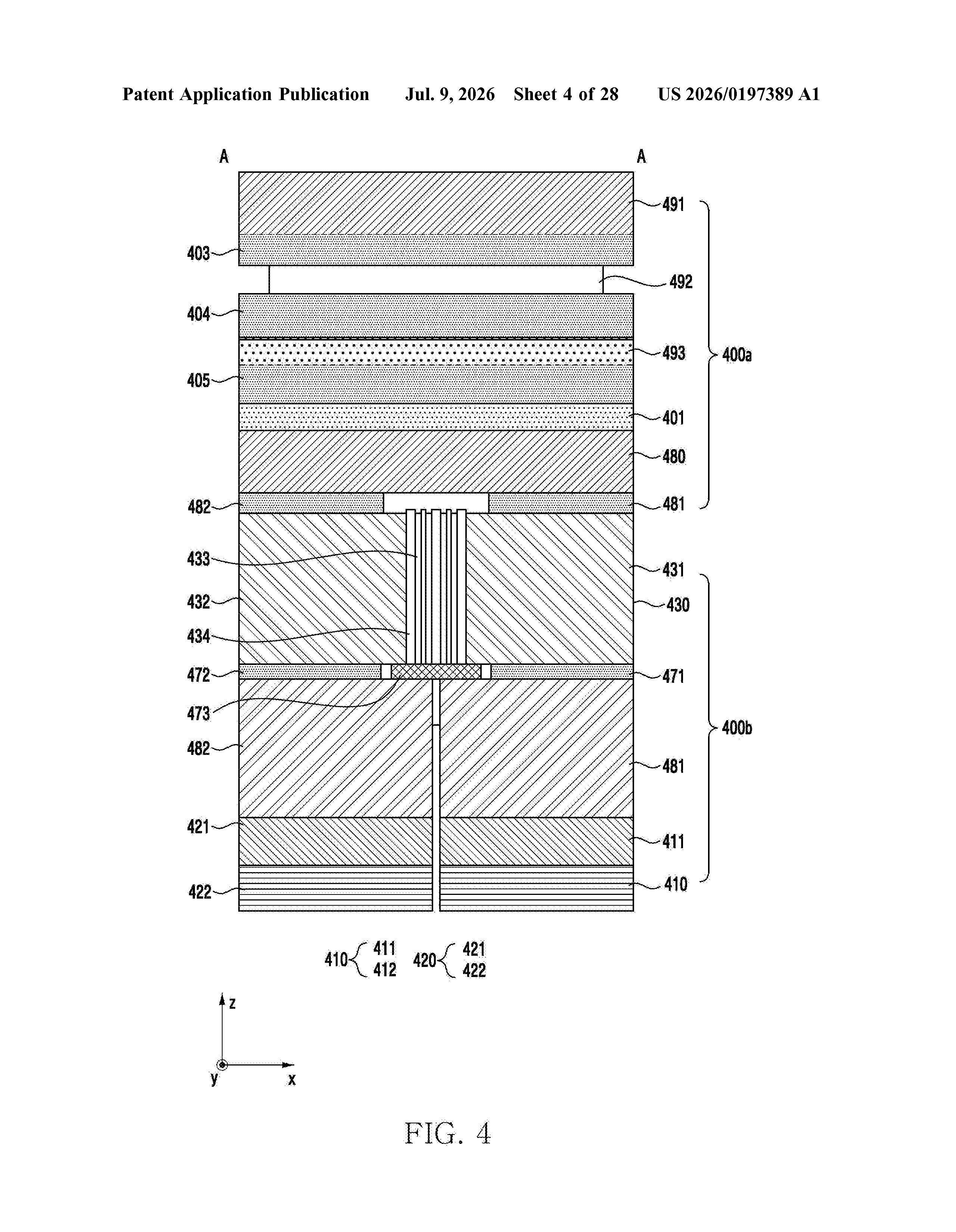
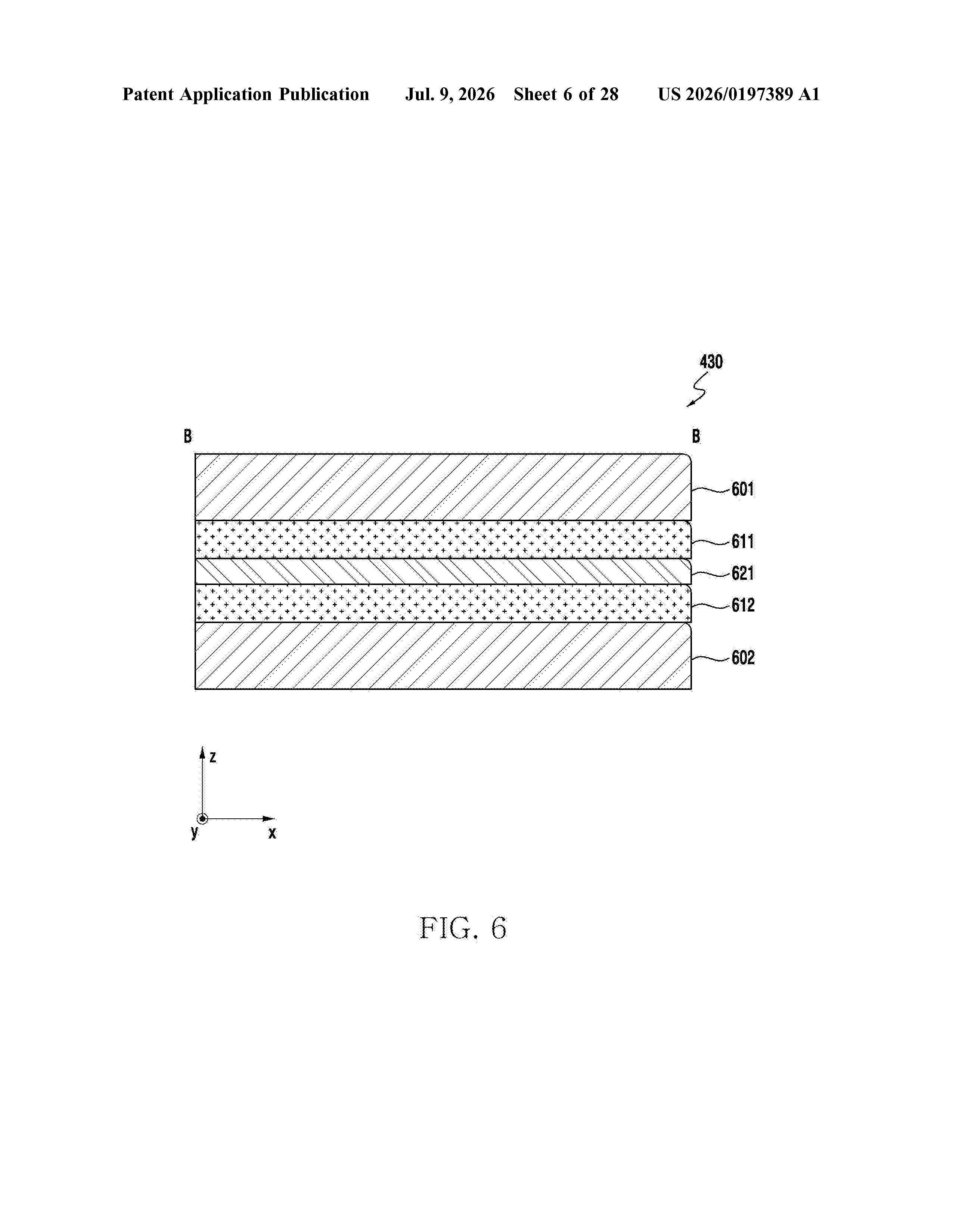
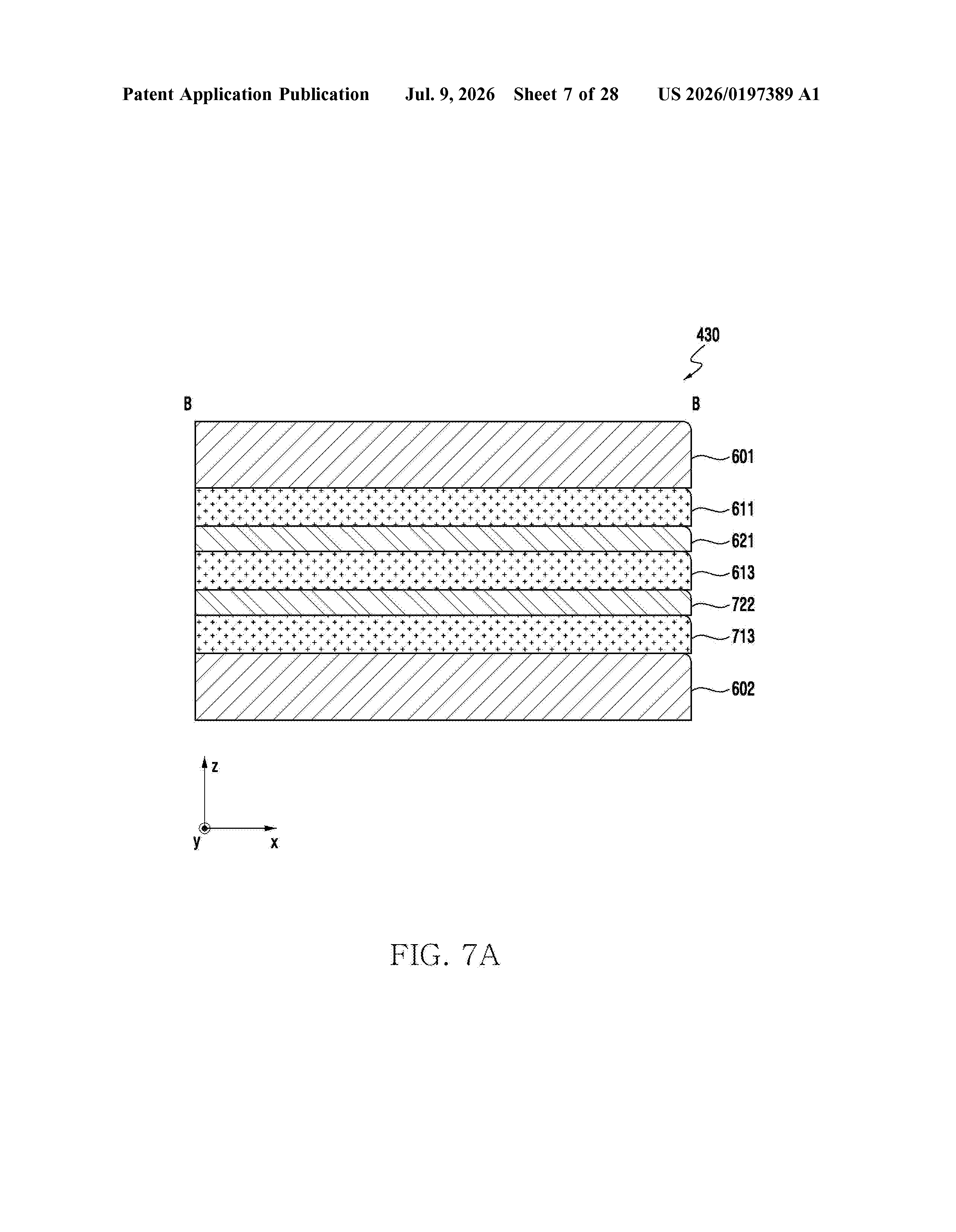
The key idea here is embedding at least one conductive layer (an electrically conducting path, like a thin copper trace) directly inside the support plate that backs the flexible display panel. That support plate is a structural component that already spans across the hinge area to keep the screen rigid where it needs to be and bendable where it needs to bend.
By making that plate also carry electrical signals, Samsung eliminates the need for separate ribbon cables or flex cables snaking across the hinge. The conductive layer connects electrically to the PCB in the first housing half on one end, and to the PCB in the second housing half on the other.
- Fewer discrete cables crossing the hinge means fewer failure points at the most mechanically stressed part of the device.
- The support plate already needs to flex and recover with every fold, so integrating wiring there keeps all the bending stress in one engineered component rather than distributed across separate parts.
- The approach also applies to multi-fold devices, which have even more hinge crossings to manage.
What this means for thinner, cleaner foldable phones
Hinge reliability is one of the biggest engineering questions surrounding foldable phones. Every cable that crosses a hinge is a potential crack or failure after tens of thousands of folds. By building the wiring into a structural layer that the device already needs, Samsung could reduce the cable count inside its Galaxy Z Fold and Z Flip lines, or future multi-fold devices, which would directly affect long-term durability.
For you as a buyer, that could mean a foldable that holds up longer without developing dead spots or intermittent connection problems. It could also let Samsung shave a fraction of thickness off the device, since consolidated components take up less room than separate ones. This isn't a screen or camera upgrade you'd notice in a store, but it's the kind of internal engineering that separates a phone that lasts from one that doesn't.
This is unglamorous infrastructure work, but it's exactly the kind of problem Samsung has to solve if foldables are going to compete with traditional phones on durability. Hiding wiring inside the display backing is an elegant answer to a real structural weakness, and the extension to multi-fold devices suggests Samsung is already designing for hardware that goes beyond two panels. Worth watching as a signal of where the Galaxy Z line's internals are headed.
Get our take in your Top Stories
Liked this breakdown? Add Patentlyze as a preferred source on Google, and our plain-English take shows up more often in your Top Stories the next time Samsung patent news breaks.
There are more where this came from
We read every patent application Big Tech publishes and send you the ones worth knowing. Plain English, free, every week.
The drawings
28 drawing sheets from US 2026/0197389 A1 · click any drawing to enlarge
Want this weekly breakdown for a company we don't cover? Patentlyze Pro →