What the filings show
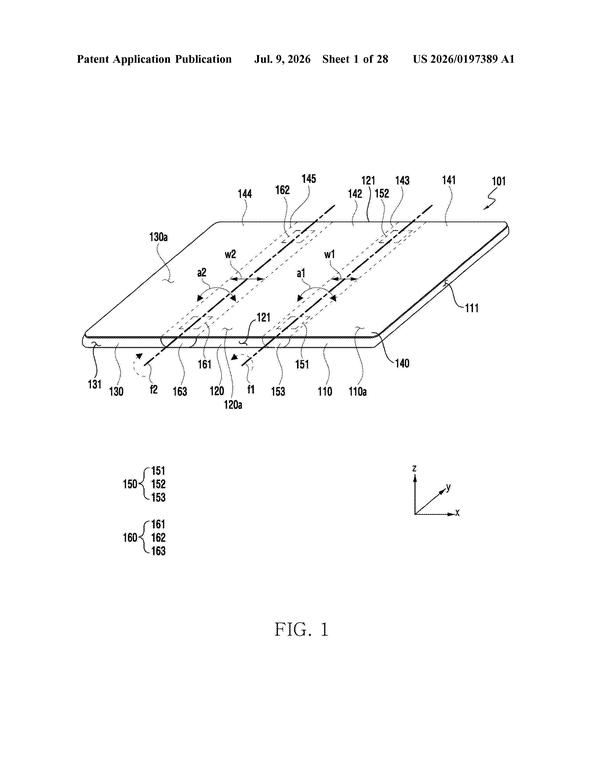
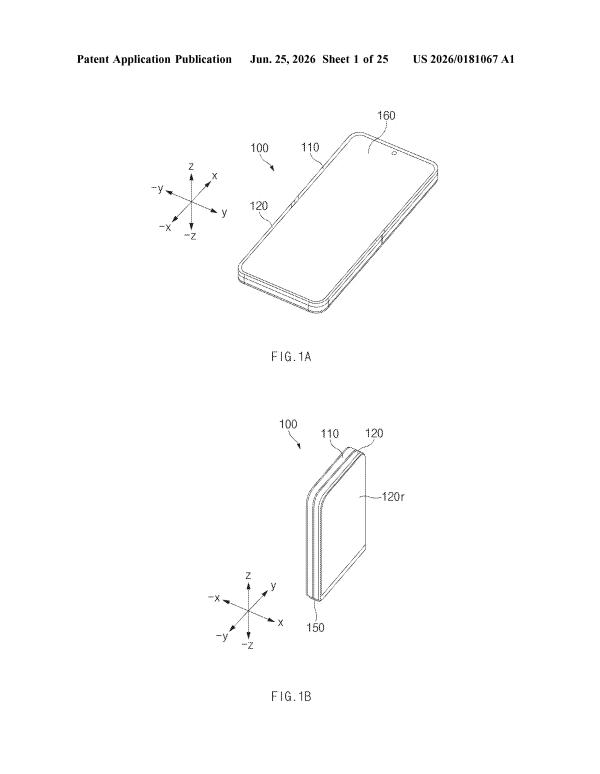
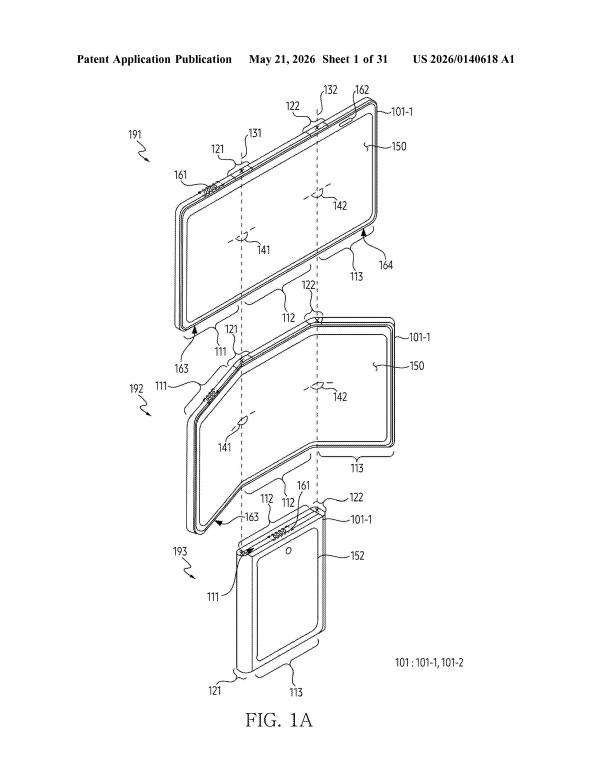
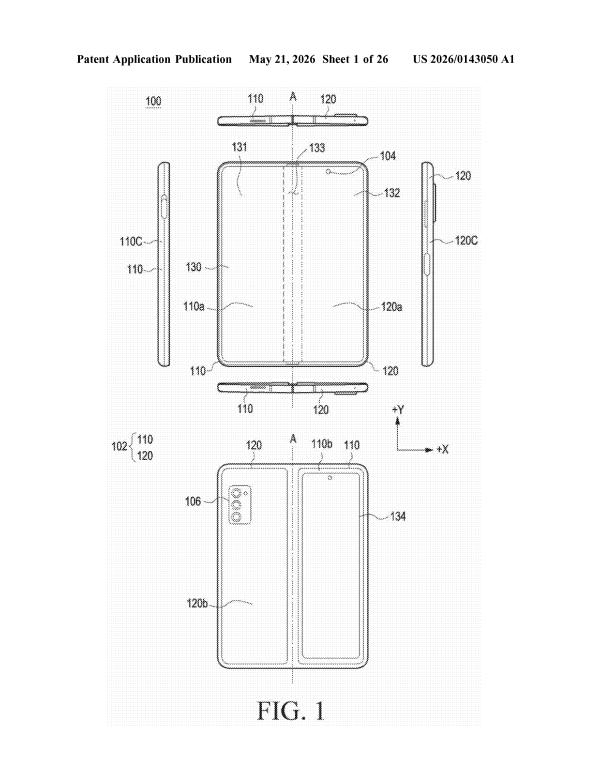
Much of the engineering effort in this storyline goes into the hinge itself. Samsung has filed on a hollow-shaft hinge assembly with an inner rotating spool, a spiral-driven hinge mechanism, and a linear guide system for sliding expandable displays. These are different approaches to the same recurring problem: keeping a moving mechanical joint from wearing out or letting the screen ripple, sag, or crease unevenly over years of folding, sliding, or rolling.
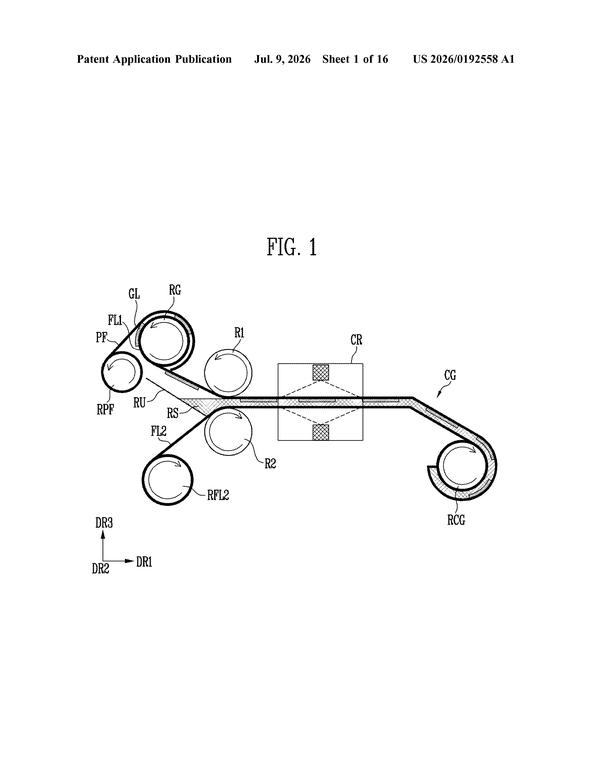
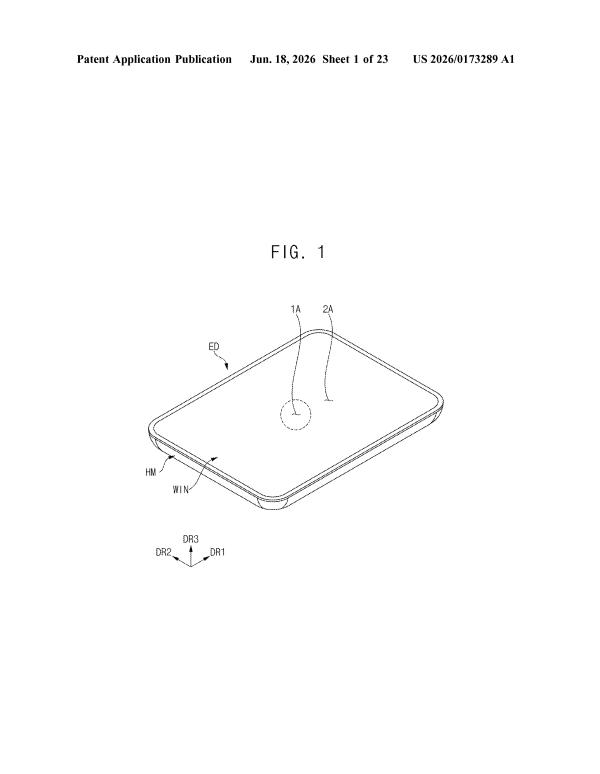
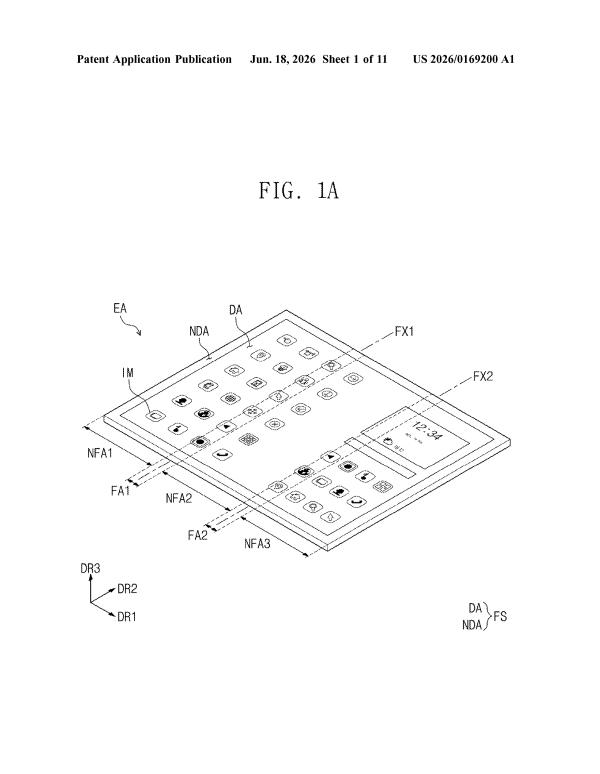
A second cluster targets what happens beneath the surface. The stress-resistant flexible circuit board and the recessed PCB layout both deal with getting electronics to survive constant bending without adding thickness. The dual-film window stack and the display that speeds up while it rolls out extend that same durability question to the screen surface itself, protecting the cover layer and controlling how fast a rolling display extends so the panel does not warp or lag.
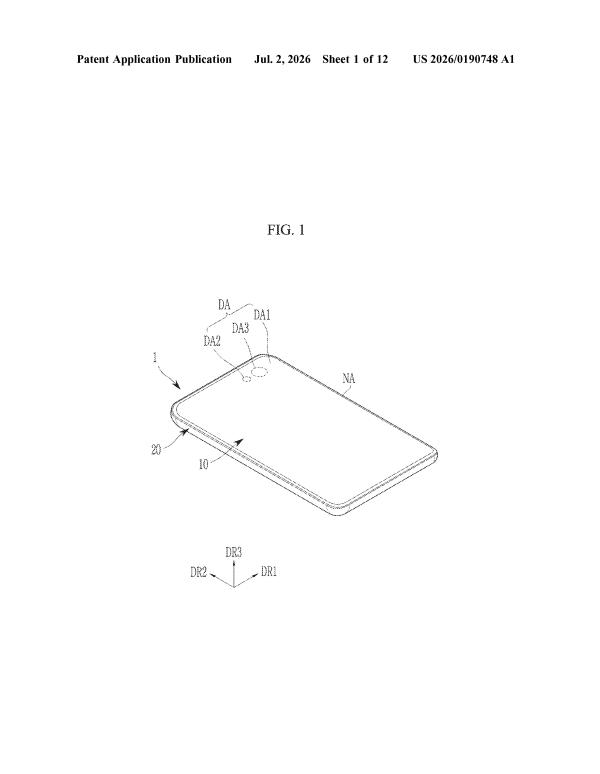
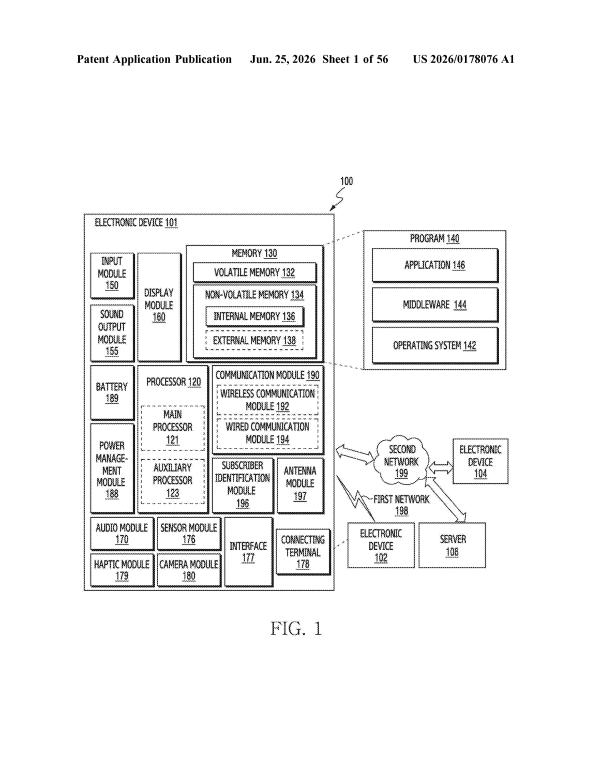
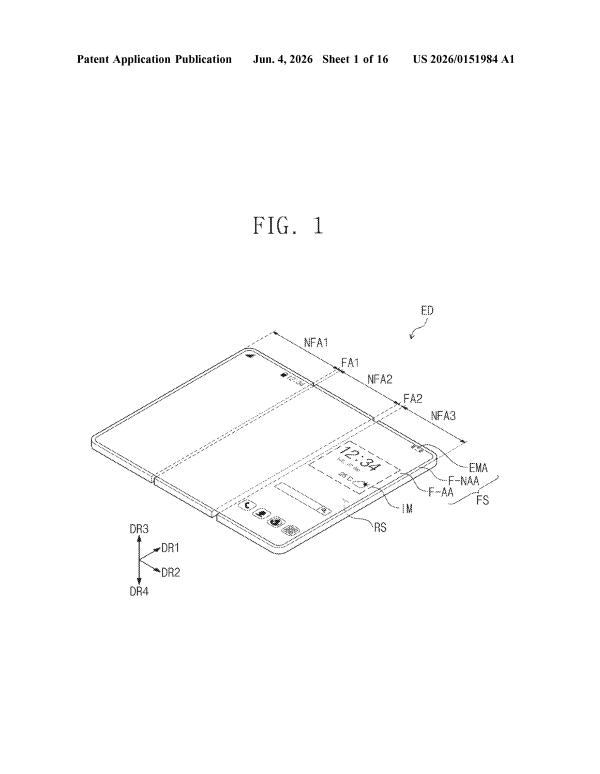
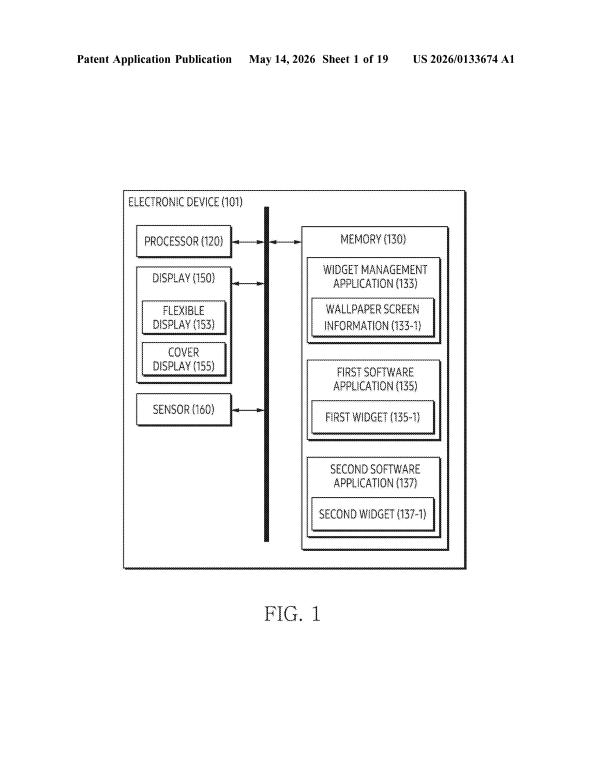
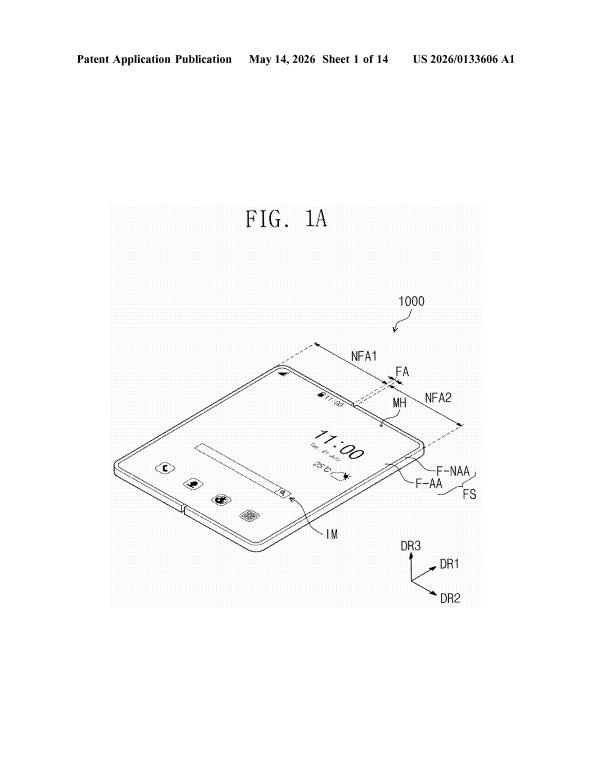
The rest of the filings sit on the software and everyday-use side. A foldable display shows port icons where the physical ports actually sit, a lock screen responds differently depending on swipe direction, cover-display widgets can be pinched down to smaller tiles, and a tri-fold gesture uses the crease itself to trigger a screenshot. A magnetic shield for the camera module rounds this out, addressing how the same magnets that snap the phone shut can interfere with nearby camera motors. What to watch next is whether Samsung keeps pairing mechanical fixes with matching software behavior.
Questions readers ask
What problems are Samsung's foldable phone patents trying to solve?
The filings mostly target hinge durability, screen and circuit board stress from repeated folding or sliding, and small usability gaps like showing port locations on a folded screen or protecting cameras from hinge magnets. They show engineering attention split between making the mechanism last and making the folded phone easier to use day to day.
Do these patents mean Samsung will release a rollable or tri-fold phone?
Not necessarily. Patent filings describe engineering ideas a company is protecting, not confirmed products. Samsung has filed on rollable display speed control and a tri-fold screenshot gesture, which shows active research into those formats, but a filing is not a launch announcement or a release date.
Why do so many filings focus on the hinge?
The hinge takes the most repeated mechanical stress in a foldable phone, so it shows up across several filings, including a hollow-shaft design, a spiral-driven mechanism, and a linear guide system for sliding displays. Each approaches the same goal from a different angle: keeping the fold smooth and the screen supported over repeated use.
How often does this list of patents update?
This storyline updates automatically as new Samsung foldable-related filings are published, so the set of patents shown here grows over time. We do not fix a count or a schedule since patent offices publish filings on their own timeline, not ours.