
Google Patents a System That Sorts Content by Popularity Before Storing It
Google is filing patents on the unglamorous but expensive work of deciding which content gets premium server space and which gets shared around. It's infrastructure optimization, but at Google's scale, shaving a fraction of a percent off server costs is worth billions.
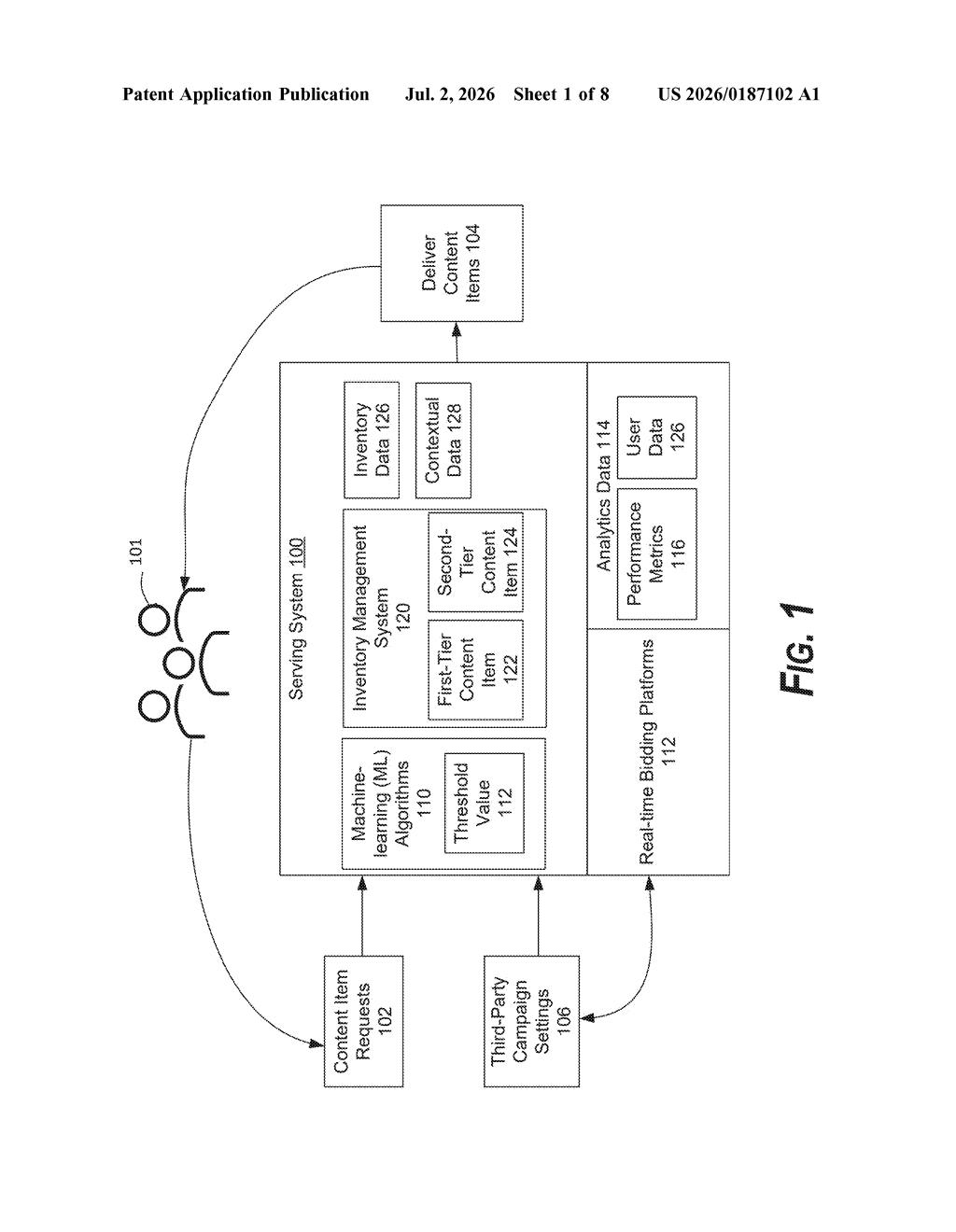
How Google's tiered content storage actually works
Imagine a library that only has so many shelves near the front door. The librarian puts the most popular books there so people find them fast, while less-requested books get stored in a back room shared across multiple branches.
Google's patent describes a system that does something similar for content stored across its servers. It automatically labels each piece of content based on how well it performs, basically how often it's requested or how valuable it is. Top-tier content gets its own dedicated spot on a server. Lower-tier content gets shared across multiple servers, so no single machine has to carry the full load.
The result is that popular content is always easy to find quickly, while less popular content doesn't waste premium server space. It's the kind of behind-the-scenes plumbing that keeps Google's massive infrastructure running without unnecessary cost.
How the tier labels decide what goes where
The patent describes a tiered classification system for content stored across a fleet of serving servers. Each content item receives a label, either first-tier or second-tier, based on a measured performance attribute (think: request frequency, revenue contribution, or some other quality signal).
Here's how the storage logic works:
- First-tier content (high performers) gets stored on every server that needs it, individually.
- Second-tier content (lower performers, below a set threshold) gets distributed differently: any given server holds first-tier content plus a subset of second-tier content, but the second-tier items are spread across servers so no single machine duplicates all of them.
In the patent's core example, Server 1 holds content item A (first-tier) and content item B (second-tier), while Server 2 holds content item A (first-tier) and content item C (a different second-tier item). The second-tier content is essentially partitioned across the server pool rather than replicated everywhere.
This approach trades some redundancy for efficiency: the system saves storage by not copying every low-value item to every machine, while ensuring high-value content remains universally accessible.
What this means for Google's serving infrastructure costs
At Google's scale, every wasted gigabyte of server storage across millions of machines adds up to real money. A system that automatically identifies which content deserves full replication versus shared distribution can meaningfully reduce infrastructure costs without degrading response times for high-demand content.
For everyday users, the practical effect is invisible, which is exactly the point. You'd only notice if it broke. But for Google's ad-serving, Search, or content delivery pipelines, this kind of classification layer could mean faster decisions about where to route requests and lower overhead per server rack. It's the kind of foundational optimization that tends to appear in production systems long before anyone writes about it.
This is unambiguously routine infrastructure work. There's no flashy user-facing feature here, and the core idea of tiering data by access frequency is decades old in database and caching design. What makes it mildly interesting is that Google is investing in patenting the specific automated classification pipeline, which suggests they're building this into a formal, reusable system rather than just handling it case by case.
There are more where this came from
We read every patent application Big Tech publishes and send you the ones worth knowing. Plain English, free, every week.
Want this weekly breakdown for a company we don't cover? Patentlyze Pro →
Be the first to weigh in